Best Grass Seed for Shady Lawns (Cool and Warm Season)
Which grass mixes actually thrive in 4 hours or less of direct sun, and how to boost light penetration.
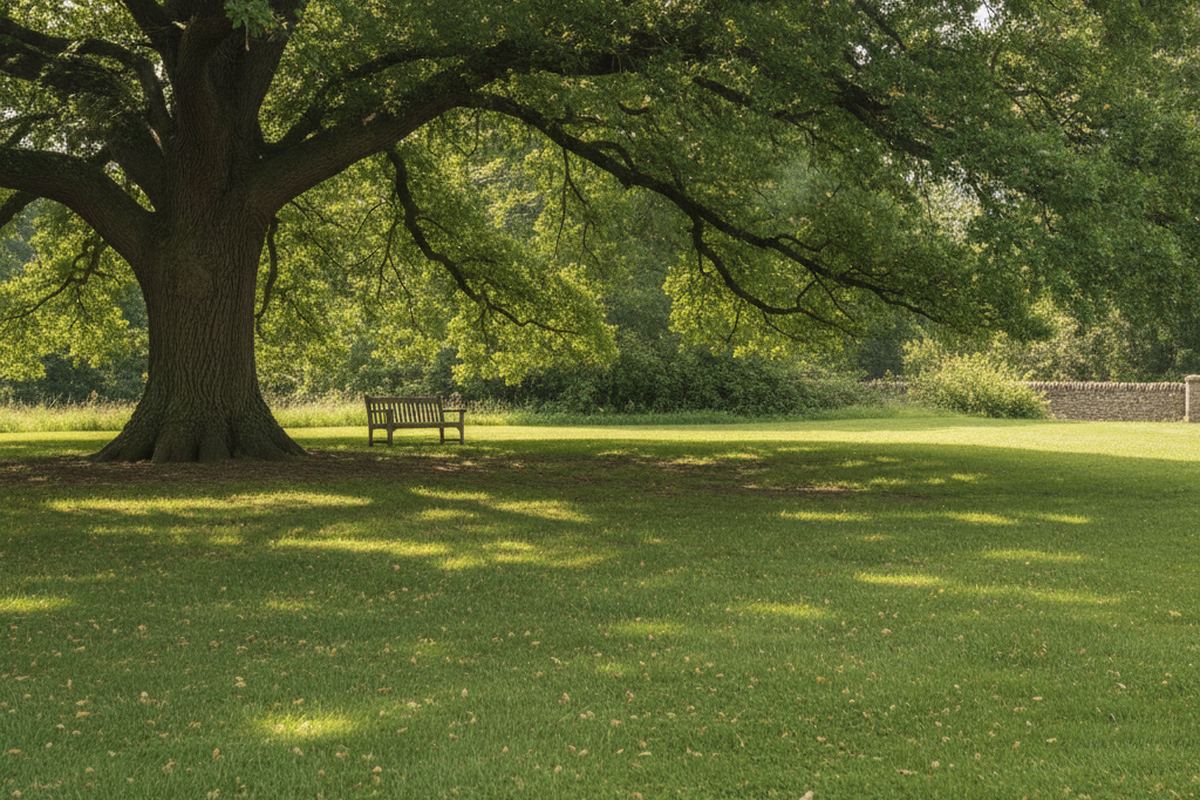
Understanding which grass seed performs best in low-light conditions is key to achieving a healthy, vibrant lawn, especially when parts of your yard receive less than four hours of direct sunlight daily. Many homeowners struggle with patchy, thin grass in shaded areas, often due to selecting the wrong seed. This guide will help you identify cool-season and warm-season grass varieties that are naturally more shade-tolerant, and provide practical tips to improve growing conditions. By making informed choices, you can cultivate a lush lawn even in challenging shaded environments.
Understanding Shade Levels and Grass Needs
Not all shade is equal, and understanding the type of shade in your yard is the first step toward selecting the right grass seed. Dense shade, often found under mature trees or close to tall structures, receives less than two hours of direct sun. Partial shade, on the other hand, might get two to four hours of direct sun, often dappled throughout the day. Grasses require sunlight for photosynthesis, so even the most shade-tolerant varieties will struggle in extremely dark conditions.
Before purchasing seed, observe your lawn throughout the day to accurately gauge sunlight exposure. Consider how trees and buildings cast shadows at different times. This observation will help you determine if your shaded areas are truly partial shade or closer to dense shade, which might require more intervention than just new seed. Understanding these nuances will prevent wasted effort and lead to better results.
Cool-Season Grasses for Shady Climates
For homeowners in cool-season regions, several grass types excel in shaded conditions. Fine fescues, such as creeping red fescue, chewing fescue, and hard fescue, are often considered the champions of shade tolerance. They have fine blades and can thrive on as little as two to four hours of direct sunlight, making them ideal for areas under deciduous trees. These fescues also require less water and fertilizer compared to other cool-season grasses.
Another excellent option for cool-season shade is rough bluegrass (Poa trivialis). While it can be more aggressive and has a lighter green color, it performs exceptionally well in consistently moist, shaded spots. Perennial ryegrass and Kentucky bluegrass, while popular, generally require more sun and are best used in mixes for partial shade rather than dense shade. Always look for seed blends specifically formulated for shade, which typically contain a higher percentage of fine fescues.
- Fine Fescues (Creeping Red, Chewing, Hard): Excellent shade tolerance, low maintenance.
- Rough Bluegrass: Thrives in moist, shaded areas, lighter green color.
- Perennial Ryegrass/Kentucky Bluegrass: Best in partial shade mixes, less shade tolerant.
Warm-Season Grasses That Tolerate Shade
Warm-season grasses generally require more sunlight than their cool-season counterparts, but some varieties demonstrate better shade tolerance. St. Augustine grass, especially cultivars like 'Palmetto' or 'Seville', is one of the best warm-season options for shaded areas, needing about four to five hours of direct sun. It produces a dense, coarse-bladed turf and can withstand moderate foot traffic.
Zoysia grass, particularly finer-bladed varieties like 'Emerald' or 'Meyer', also shows good shade tolerance among warm-season types, often performing well with four to six hours of sunlight. While Bermuda grass is a common warm-season choice, it is very sun-loving and generally not recommended for shaded areas. When selecting warm-season grasses for shade, prioritize varieties specifically bred for improved low-light performance.
- St. Augustine Grass: Good shade tolerance (4-5 hours sun), coarse blades, dense turf.
- Zoysia Grass: Moderate shade tolerance (4-6 hours sun), finer blades.
- Bermuda Grass: Poor shade tolerance, avoid for shaded areas.
Get the exact pounds of seed you need for your lawn size, grass type, and overseeding vs new lawn.
Open the Lawn Seed CalculatorBoosting Light Penetration for Better Growth
Even with shade-tolerant grass, maximizing the available light is crucial. Pruning tree branches, especially lower limbs or those that create a dense canopy, can significantly increase the amount of sunlight reaching your lawn. Thinning the canopy allows more dappled light to filter through, which is often sufficient for shade-tolerant grasses. Consult an arborist for larger trees to ensure proper pruning techniques that maintain tree health.
Consider other landscape adjustments as well. Removing dense shrubs or tall perennial plants that block morning or late afternoon sun can also make a difference. Reflective surfaces or light-colored mulch in nearby beds might subtly increase ambient light. Every hour of additional light can contribute to a healthier, thicker lawn in shaded zones.
Soil Preparation and Maintenance in Shady Spots
Shaded areas often have different soil conditions compared to sunny spots. Tree roots can compete for nutrients and moisture, and reduced airflow can lead to higher humidity, increasing the risk of fungal diseases. Before seeding, amend the soil with organic matter such as compost to improve drainage and nutrient retention. A soil test can identify specific deficiencies that need addressing.
Maintenance practices also need adjustment. Mow shaded grass at a higher setting (e.g., 3-4 inches) to allow for more leaf surface area for photosynthesis. Water less frequently but more deeply, and avoid overwatering, which can encourage disease in damp, shaded conditions. Fertilize sparingly, as too much nitrogen can lead to lush, weak growth susceptible to problems.
Seeding Techniques for Optimal Establishment
Proper seeding technique is vital for success in shaded areas. Begin by thoroughly preparing the soil, removing debris, and aerating compacted areas. Spread the shade-tolerant grass seed evenly at the recommended rate, which is often slightly higher for shaded areas to compensate for potential losses. Lightly rake the seed into the top 1/4 inch of soil to ensure good seed-to-soil contact.
After seeding, cover the area with a thin layer of straw or a seed-starter mulch to help retain moisture and protect the seeds from birds. Consistent moisture is critical for germination; water daily with a fine spray to keep the soil moist but not soggy, until the seedlings are well established. Continue careful watering as the grass grows, gradually reducing frequency as the turf matures.
The bottom line
Cultivating a healthy lawn in shaded areas requires a strategic approach, combining the right grass seed selection with thoughtful light management and adapted care routines. By choosing shade-tolerant varieties and implementing these practical tips, you can transform those challenging, low-light spots into thriving, green sections of your yard. Patience and consistent effort will be rewarded with a noticeably healthier and more appealing lawn.
Get more guidance like this in your inbox
Weekly emergency-fund tactics, milestone checklists, and the next article — delivered free.
Run your own number
Get a personalized emergency fund target based on your income, expenses, and job stability.
Open the calculator