Shared Fence Cost With Neighbors: Splitting the Bill Fairly
How to split a fence cost with neighbors, the laws by state, what 'good neighbor fence' style means, and the written agreement that prevents disputes.
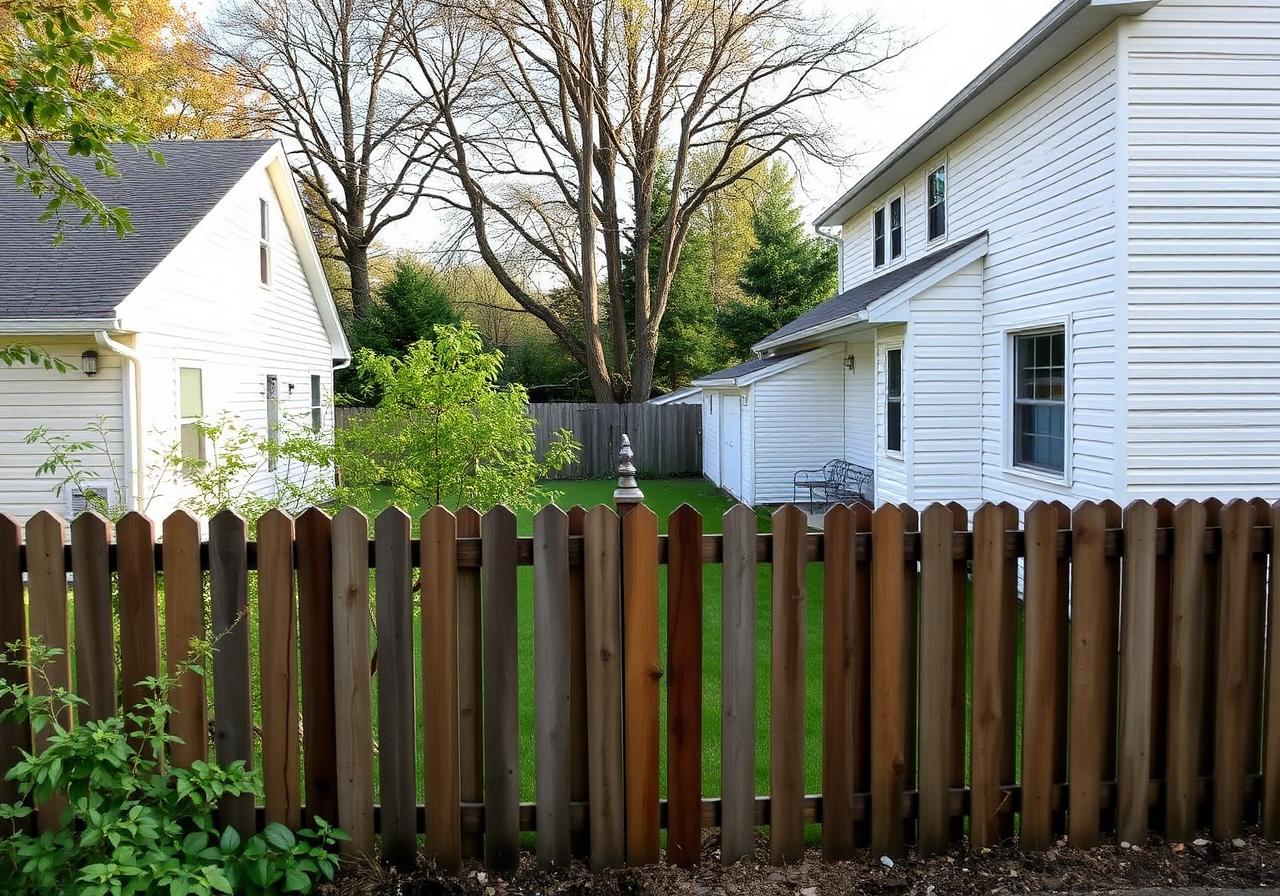
Splitting a fence cost with a neighbor can cut your fence bill in half — or start a feud that lasts decades. Done right, with the right conversation up front and a written agreement, it's the cheapest way to put up a fence on a shared property line.
When neighbors are required to share cost
Several states (California, Texas, Washington, others) have 'good neighbor fence laws' that require adjacent property owners to share the cost of a reasonable boundary fence. Most states don't have such laws and sharing is purely voluntary. Check your state's specific code before assuming anything.
The conversation to have first
- Confirm where the property line is (survey if there's any doubt)
- Agree on material, height, and style — get specific
- Decide who picks the contractor or how you both review quotes
- Discuss who maintains it long-term and who pays for repairs
- Talk about future replacement timing
The written agreement
Write everything down. A one-page agreement signed by both parties prevents 90% of future disputes. Include the cost split, the contractor, material specs, who owns which side aesthetically, and what happens at replacement time. Notarized is better but not required.
Get the total installed cost from the Fence Cost Estimator, then split it however you and your neighbor agree.
Open the Fence Cost EstimatorStandard cost splits
- 50/50 — most common, applies when both neighbors benefit equally
- Initiator pays 60/40 — if you wanted the fence and neighbor agreed to share
- Asymmetric — neighbor wants a cheaper material; they pay the gap if you upgrade
- Maintenance-only sharing — initial install paid by initiator, future repairs split
Good-neighbor fence style
A 'good neighbor fence' has the same finished look on both sides — usually board-on-board, shadowbox, or tongue-and-groove panels. Standard stockade fences have a distinct 'good side' (smooth) and 'bad side' (visible rails) — neighbors typically argue over who gets the good side. Skip the argument by spec'ing a two-sided style.
If the neighbor refuses to share
Build the fence entirely on your side of the property line (at least 6 inches inside it). You own the fence, you maintain it, you pay for it, but you also keep all decisions. Forcing a non-consenting neighbor to pay rarely works outside of states with explicit boundary-fence laws.
Get more guidance like this in your inbox
Weekly emergency-fund tactics, milestone checklists, and the next article — delivered free.
Price your fence in seconds
Get exact post counts, concrete bags, materials, and installed cost for wood, vinyl, chain-link, or aluminum — free with our Fence Cost Estimator.
Open the Fence Cost Estimator