12 Signs You Actually Need a New Roof (Not a Repair)
The visual and interior signs that mean full replacement — not patch repair — is the right call.
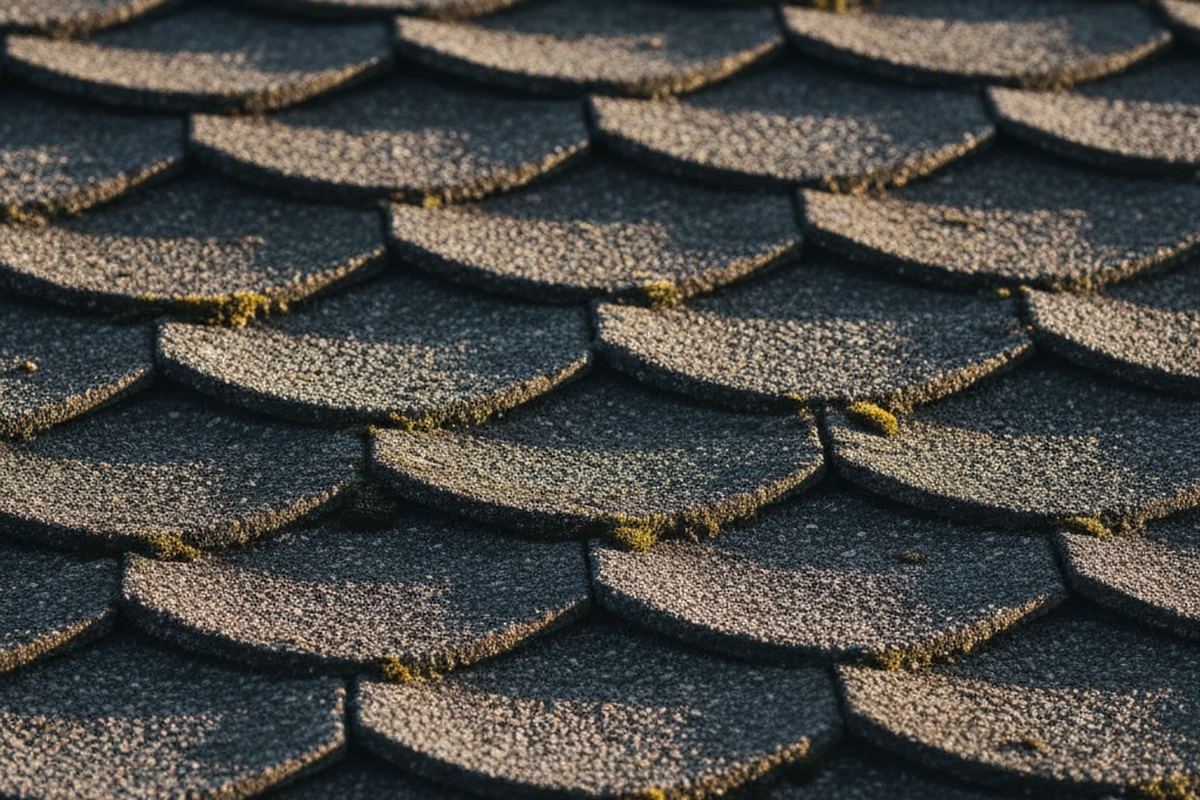
Understanding whether your roof needs a simple repair or a complete replacement is crucial for both your home's integrity and your budget. Many homeowners delay a full replacement, opting for repeated patch jobs that can ultimately cost more and offer less protection. This guide outlines the key indicators that suggest a full roof replacement in 2026 is the more prudent and cost-effective decision. Recognizing these signs early can save you from more extensive damage and higher expenses down the line.
Visible Shingle Damage: Beyond a Few Missing Tabs
Inspect your roof for shingles that are cracked, curled, or missing. While a few lost shingles from a storm can often be replaced, widespread damage indicates that the shingles are reaching the end of their lifespan. Look for shingles that are cupping (edges turning upward) or clawing (edges turning downward), as these are clear signs of advanced deterioration.
Granule loss is another significant indicator. If you notice a substantial amount of shingle granules in your gutters or on the ground around your home, it means the protective layer of your shingles is eroding. This granular coating shields the asphalt from UV rays; without it, the shingles become vulnerable, accelerating their decay and compromising the roof's ability to shed water effectively.
Age of Your Roof: Time is a Critical Factor
The age of your existing roof plays a major role in determining its remaining useful life. Most asphalt shingle roofs are designed to last between 20 to 25 years. If your roof is approaching or has exceeded this age range, even if it appears to be in decent condition, it's prudent to consider a full replacement.
Older roofs, regardless of their visual state, are more susceptible to damage from severe weather and can become less energy-efficient over time. While some materials, like metal or tile, can last much longer, standard asphalt shingles have a finite lifespan. Proactive replacement based on age can prevent unexpected leaks and costly interior damage.
Sagging Roof Deck: A Structural Warning
A sagging or drooping roofline is a serious red flag that indicates significant structural issues, not just surface damage. This can be caused by prolonged moisture exposure, inadequate attic ventilation leading to wood rot, or even improper installation. A sagging roof suggests that the underlying support structure, such as the decking or rafters, has been compromised.
Addressing a sagging roof requires more than superficial repairs; it typically necessitates a complete tear-off to assess and repair the structural components beneath. Ignoring this sign can lead to further structural collapse, posing a safety risk and incurring much higher repair costs if not addressed promptly.
Estimate roof replacement cost by square footage, pitch, and material — get a realistic 2026 number in under a minute.
Open the Roof Replacement CalculatorDaylight in Your Attic: Clear Evidence of Leaks
Take a flashlight and inspect your attic during the day. If you can see rays of light filtering through the roof boards, it means there are holes or gaps in your roof deck. These openings are direct pathways for water, pests, and air to enter your home, leading to leaks, mold growth, and increased energy bills.
Even if you haven't observed active leaks yet, visible daylight indicates a compromised roof structure that will inevitably lead to water damage. This is a definitive sign that your roof's integrity is failing and a replacement is necessary to seal these vulnerabilities and protect your home's interior.
Water Stains and Mold Indoors: Beyond the Surface
Water stains on your ceilings or walls, especially in the upper levels of your home, are undeniable signs of a leaking roof. These stains often appear as discolored patches and can indicate water has been seeping through for some time. Similarly, the presence of mold or mildew in your attic or on interior walls points to persistent moisture issues.
While a small, localized leak might be repairable, widespread or recurring water damage suggests that the roof's waterproofing capabilities are failing across a larger area. Mold, in particular, can pose health risks and indicate significant, ongoing moisture intrusion that a full replacement is best equipped to resolve.
Increasing Energy Bills: An Unexpected Indicator
A sudden or gradual increase in your heating and cooling costs, without other obvious reasons, can sometimes be attributed to a failing roof. A roof that is no longer properly insulated or sealed allows conditioned air to escape and outside air to infiltrate, forcing your HVAC system to work harder.
Poor attic ventilation, often linked to an aging roof system, can also contribute to higher energy consumption. If your energy bills are consistently higher than expected, it's worth considering that your roof might be a significant factor, indicating a need for a more energy-efficient and well-sealed replacement.
Neighbors Getting New Roofs: A Local Trend
Observe your neighborhood. If several of your neighbors with homes of similar age and construction are getting their roofs replaced, it's a strong indication that roofs in your area are reaching the end of their lifespan. This often means homes built around the same time are experiencing similar wear and tear from local weather conditions.
While not a direct sign of your specific roof's condition, it serves as a valuable heads-up. It suggests that your roof might soon exhibit similar issues and that proactively planning for a replacement could be a wise financial move, potentially allowing you to benefit from local contractor availability and potentially better pricing.
The bottom line
Recognizing these 12 signs can empower you to make an informed decision about your roof's future. Acting early to replace a failing roof can prevent more severe structural damage, protect your home's interior, and potentially save you significant money in the long run. Consider these indicators carefully to determine if a full roof replacement is the right step for your home in 2026.
Get more guidance like this in your inbox
Weekly emergency-fund tactics, milestone checklists, and the next article — delivered free.
Run your own number
Get a personalized emergency fund target based on your income, expenses, and job stability.
Open the calculator