Smart Home Upgrades: Which Ones Add Real Value?
The smart home upgrades that add real value and the ones buyers ignore.
Understanding which home renovations truly enhance your property's value is crucial, whether you're planning to sell soon or simply investing in your long-term enjoyment. Not all upgrades offer the same return on investment, and some popular projects might even be money pits when it comes to resale. This guide focuses on identifying those smart home improvements that consistently attract buyers and provide tangible financial benefits, alongside those that often fall short of expectations, helping you make informed decisions about your property.
Kitchen Updates: A Consistent Value Driver
Kitchen renovations frequently top the list for delivering strong returns, with minor remodels often outperforming major overhauls. For 2026, a minor kitchen remodel, which might include updating cabinet fronts, replacing countertops, and upgrading to energy-efficient appliances, could recoup approximately 70-80% of its cost. This type of update refreshes the most used space in a home without the expense of reconfiguring the entire layout.
Focusing on functional and aesthetic improvements that appeal to a broad range of buyers is key. Stainless steel appliances, updated lighting, and durable, attractive flooring are generally safe bets. Avoid highly personalized or overly luxurious finishes that might not resonate with potential buyers, as these can drive up costs without a proportional increase in resale value.
Bathroom Renovations: Practicality Pays Off
Similar to kitchens, bathroom remodels offer a reliable return, especially when they address dated fixtures or improve functionality. A mid-range bathroom remodel, involving replacing the tub, toilet, vanity, and flooring, could see a cost recoupment in the range of 60-70%. These projects enhance daily living for occupants and are a significant selling point.
Consider universal design elements where possible, such as walk-in showers or comfort-height toilets, as these appeal to a wider demographic. Ensure the updates are cohesive with the rest of your home's style. Overly extravagant materials or custom features that don't fit the neighborhood's typical home values may not provide the desired financial return.
Curb Appeal: First Impressions Matter
Enhancing your home's exterior can significantly boost its perceived value and attract buyers. Projects like replacing a garage door, which might cost around $4,500, could recoup nearly 90% of its cost. Adding a new steel entry door can also offer a high return, often exceeding 60% of its investment. These improvements are relatively inexpensive but make a substantial visual impact.
Other impactful exterior updates include fresh landscaping, exterior painting, and repairing or replacing siding. These projects not only improve aesthetics but also protect the home from the elements. Focus on creating a welcoming and well-maintained exterior that signals a well-cared-for interior.
- Garage door replacement: High ROI, often near 90%.
- Steel entry door replacement: Strong ROI, around 60-70%.
- Minor landscaping updates: Improves curb appeal and perceived value.
- Exterior paint refresh: Cost-effective way to update appearance.
See the real resale ROI on your renovation — before you swing a hammer.
Open the Renovation ROI CalculatorEnergy Efficiency: Long-Term Savings and Buyer Appeal
Investments in energy-efficient upgrades not only reduce your utility bills but also make your home more attractive to environmentally conscious buyers. Replacing old windows with new, energy-efficient models can recoup around 65-70% of the cost. Upgrading insulation in attics or walls also offers a strong return, often over 80% because of the immediate and ongoing savings.
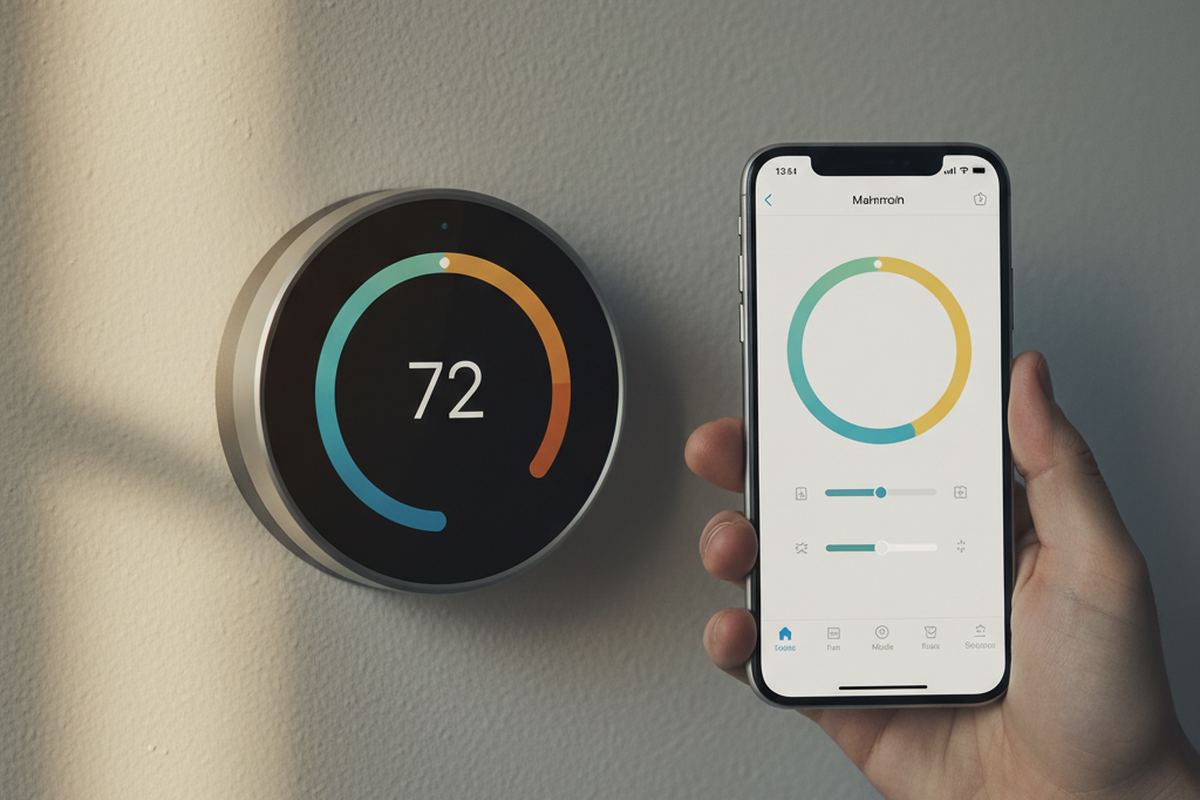
Consider other energy-saving measures such as installing a smart thermostat, sealing air leaks, or upgrading to more efficient HVAC systems. While the upfront costs can be significant, the long-term savings on energy bills and the appeal to buyers looking for lower operating costs make these worthwhile investments. Buyers often factor in these savings when evaluating a home's overall value.
Basement Finishing: Adding Usable Square Footage
Finishing a basement can significantly increase your home's usable living space, which is often a strong selling point. A mid-range basement remodel that adds a living area, a small bedroom, and a bathroom could recoup around 60-65% of its cost. This effectively adds square footage at a lower per-square-foot cost than a traditional addition.
Ensure that the finished basement is well-lit, dry, and has proper egress windows if adding bedrooms. The quality of the finish should match the rest of the home to maximize its value. Avoid creating spaces that feel isolated or don't serve a clear purpose, as these might not appeal to buyers as much as functional extra living areas.
Upgrades That Offer Lower Returns
While some renovations enhance lifestyle, they may not always translate into significant resale value. Highly specialized projects, such as converting a bedroom into a dedicated home theater or installing an elaborate wine cellar, often have limited appeal to the average buyer and typically recoup less than 50% of their cost.
Similarly, adding high-end, custom features that are specific to your tastes, like a custom-built indoor pool or an extravagant outdoor kitchen in a modest neighborhood, may not attract a broad pool of buyers willing to pay a premium for them. Always consider your neighborhood's price point and the general preferences of potential buyers before undertaking such projects.
The bottom line
Thoughtful renovation choices can significantly impact your home's value and appeal. By prioritizing projects with proven returns and aligning upgrades with buyer expectations, you can make strategic improvements. Evaluate both the financial and lifestyle benefits of any potential renovation to ensure it meets your goals effectively.
Get more guidance like this in your inbox
Weekly emergency-fund tactics, milestone checklists, and the next article — delivered free.
Run your own number
Get a personalized emergency fund target based on your income, expenses, and job stability.
Open the calculator