Solar-Ready Roof Replacement: Upgrades Worth Doing Now
Small upgrades during a roof replacement that save thousands if you add solar later.
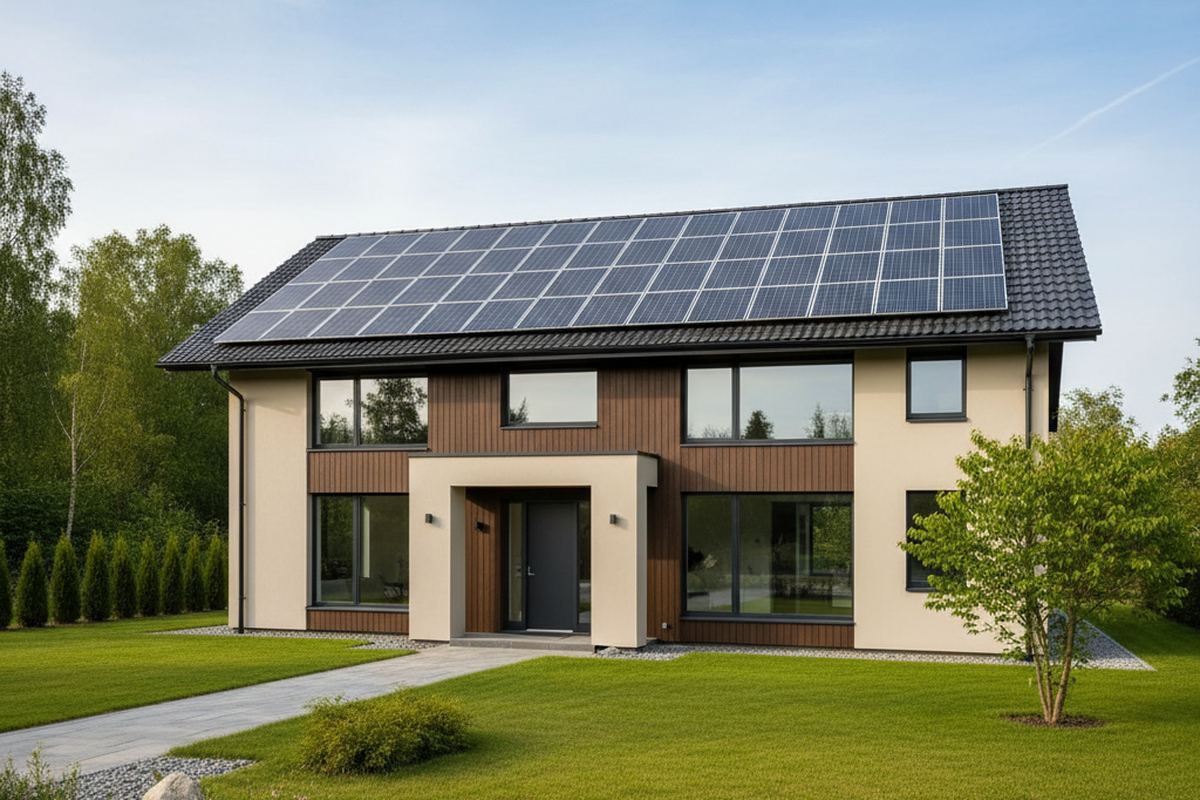
Planning a roof replacement is a significant home improvement project, and it presents a unique opportunity to prepare your home for future energy upgrades. If you're considering solar panels down the line, incorporating specific elements during your roof replacement can save you considerable time and money. Proactive planning ensures your new roof is not just a protective covering but also a strategic foundation for sustainable living. This approach avoids costly retrofits and maximizes the efficiency of your eventual solar installation.
Understand Solar Panel Weight and Roof Structure
Solar panels add a substantial amount of weight to your roof. A typical residential solar array can weigh between 2 to 4 pounds per square foot, depending on the panel type and mounting system. While most standard roofs are designed to handle snow loads and other environmental stresses, it's crucial to have a structural assessment during the roof replacement process. This ensures your existing framing can adequately support the additional load without requiring expensive reinforcements after the new roof is installed.
Consult with a structural engineer or a qualified roofing contractor who has experience with solar installations. They can assess your current roof's load-bearing capacity and recommend any necessary upgrades, such as adding extra rafters or strengthening existing trusses. Addressing these structural considerations upfront, while the roof is open, is far more cost-effective than discovering deficiencies later when solar panels are being installed. This foundational step is critical for safety and long-term performance.
Choose Solar-Friendly Roofing Materials
The type of roofing material you select can significantly impact the ease and cost of a future solar installation. Asphalt shingles, metal roofing, and even some tile options are generally compatible with solar panels. However, certain materials, such as slate or wood shake, can be more challenging and expensive to work with, potentially requiring specialized mounting systems or increasing labor costs for solar installers. Durability is also key; select materials with a long lifespan, ideally 25 years or more, to match or exceed the warranty of most solar panel systems.
Consider lighter-colored roofing materials as well. While not directly impacting solar panel efficiency, lighter roofs reflect more sunlight and can help reduce your home's cooling load. This complements the energy savings from solar panels, contributing to overall lower utility bills. Discuss material options with your roofing contractor, emphasizing your intent to install solar panels in the future to ensure they recommend the most suitable and cost-effective solutions.
Integrate Conduit Pathways for Electrical Wiring
One of the most disruptive aspects of a solar installation can be running electrical conduit from the roof-mounted panels to the inverter and electrical panel, typically located on a side wall or in the garage. Planning for these pathways during a roof replacement allows for discreet and efficient integration. You can install conduit sleeves or chase ways within the roof structure, guiding wires without the need for external, exposed conduit runs that can detract from your home's aesthetics.
Work with your roofing contractor and potentially an electrician to map out the optimal path for these conduits. This could involve running conduit through the attic space, down a wall cavity, or through a soffit. Pre-installing these pathways can save hundreds to thousands of dollars in labor costs during the solar installation, as it eliminates the need for installers to drill through finished surfaces or find creative, often less appealing, routes for the wiring.
Estimate roof replacement cost by square footage, pitch, and material — get a realistic 2026 number in under a minute.
Open the Roof Replacement CalculatorInstall Critter Guards and Flashing Early
While often overlooked, critter guards and proper flashing are essential for long-term solar panel and roof integrity. Critter guards, typically wire mesh barriers, prevent birds, squirrels, and other small animals from nesting under solar panels, where they can chew on wires or create blockages. Installing these during the roof replacement ensures they are securely integrated with the new roofing material, providing a more robust and seamless barrier.
Proper flashing around any penetrations for solar panel mounts is critical to prevent water leaks. While solar installers will add their own flashing, having the underlying roof structure prepared with additional water barriers or specialized underlayment around potential mounting areas can offer an extra layer of protection. Discussing these preventative measures with your roofing contractor can help avoid future maintenance issues and extend the life of both your roof and your solar array.
Consider a 'Solar-Ready' Roof Underlayment
Some manufacturers offer specialized underlayments designed for solar installations, often referred to as 'solar-ready' or 'high-performance' underlayments. These products typically feature enhanced durability, superior waterproofing, and sometimes even reflective properties. While they may have a slightly higher upfront cost, they provide an additional layer of protection against leaks, which is particularly valuable given the number of penetrations required for solar panel mounting.
A robust underlayment can significantly extend the lifespan of your roof, offering peace of mind that your investment in both a new roof and solar panels is well-protected. Discuss these advanced underlayment options with your roofing contractor. The added cost during a roof replacement is often negligible compared to the expense and inconvenience of addressing a leak caused by inadequate underlayment after solar panels are installed.
Factor in Future Electrical Panel Upgrades
Solar panel systems often require a certain amount of available capacity in your home's electrical panel. Many older homes have 100-amp service panels, which might be sufficient for a small solar array but could be a bottleneck for larger systems or if you plan to add other high-demand appliances like an EV charger. While not directly part of the roof replacement itself, discussing your solar plans with your roofing contractor and an electrician can help you anticipate future electrical needs.
If an electrical panel upgrade is likely, coordinating this with your roof replacement can streamline the overall project. For example, if interior walls need to be opened for conduit, an electrician could also run new wiring for a panel upgrade at the same time. This foresight can prevent needing to bring trades back for separate, more disruptive projects later, saving both time and money in the long run.
The bottom line
By integrating these solar-ready considerations into your 2026 roof replacement plans, you can create a home that is both resilient and future-proof. Proactive planning minimizes additional costs and disruptions when you decide to go solar. A little foresight now can lead to substantial savings and a more efficient energy transition for your home.
Get more guidance like this in your inbox
Weekly emergency-fund tactics, milestone checklists, and the next article — delivered free.
Run your own number
Get a personalized emergency fund target based on your income, expenses, and job stability.
Open the calculator