Spray vs Roller vs Brush: Which Tool, When?
Each tool has a sweet spot. Use the wrong one and you waste hours and paint.
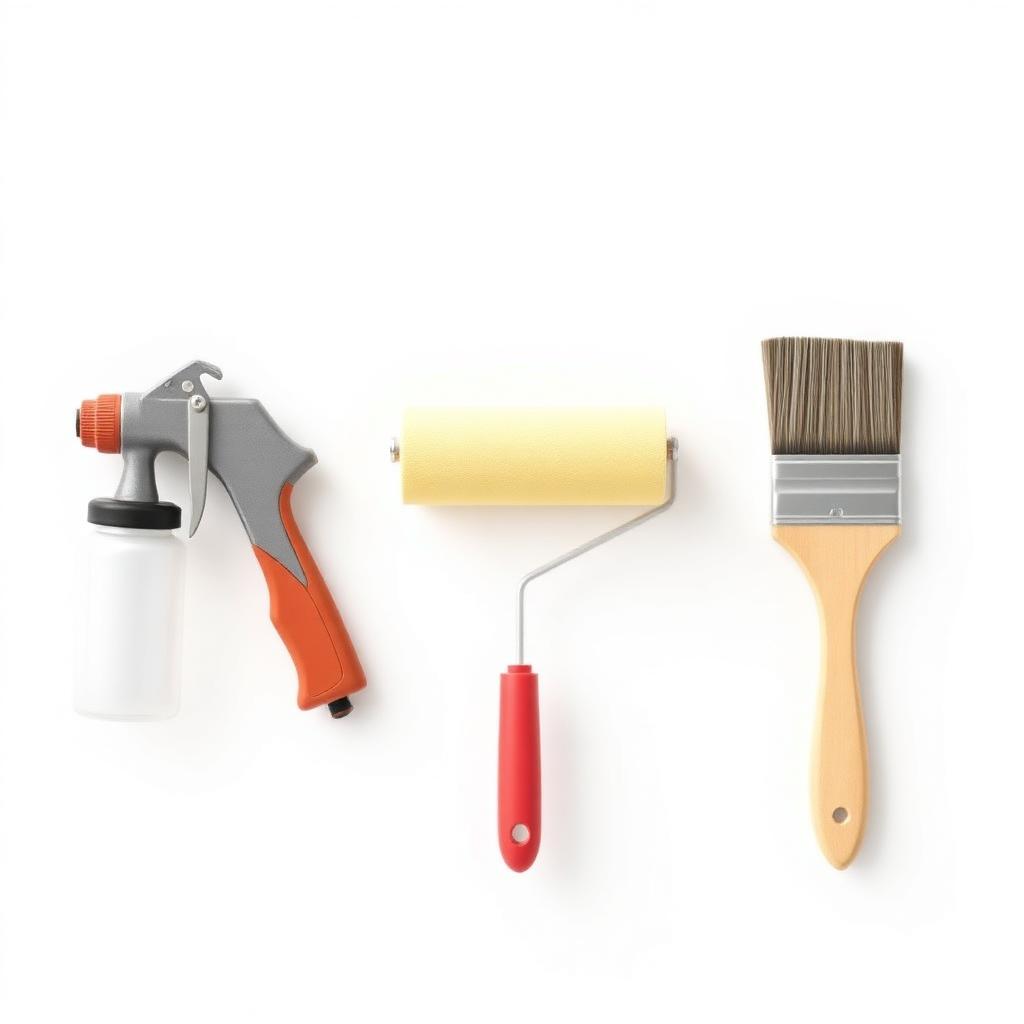
There is no one best painting tool — there are three, and each has a job it does better than the other two. Knowing which to grab is most of the battle.
Sprayer: speed for empty spaces
- Best for: exterior siding, fences, cabinets, empty interiors
- Speed: 4–5x faster than rolling
- Downsides: 30–40% overspray (paint waste), 1 hour of cleanup
- Skip when: room has furniture, neighbors close by, indoor occupied rooms
Roller: best for walls and ceilings
- Best for: walls, ceilings, large flat surfaces
- Speed: 4–5x faster than brush
- Coverage: 95% efficiency
- Skip when: detailed trim, corners, edges
Brush: precision and control
- Best for: cutting in edges, trim, doors, tight spaces
- Speed: slow but precise
- Coverage: 100% efficiency
- Skip when: large open surfaces (use a roller)
The pro combo
Most projects use brush + roller together: brush cuts in edges, roller fills the field. For exteriors and cabinets, add a sprayer for speed on flat surfaces, with brush for detail work.
Estimate gallons before renting a sprayer — overspray means you need 30% more paint than rolling.
Open the Paint CalculatorSprayer rental tip
Don't buy a sprayer for one project. Rent one from Home Depot or Sherwin-Williams for $60–$100/day. Buying makes sense only after 3–4 sprayer projects.
Get more guidance like this in your inbox
Weekly emergency-fund tactics, milestone checklists, and the next article — delivered free.
Estimate your paint project in seconds
Get exact gallons, primer, and total project cost — interior or exterior — with our free Paint Calculator.
Open the Paint Calculator