Stamped Concrete Driveways: Cost vs Regular Concrete
The cost premium on stamped concrete driveways and how the finish holds up.
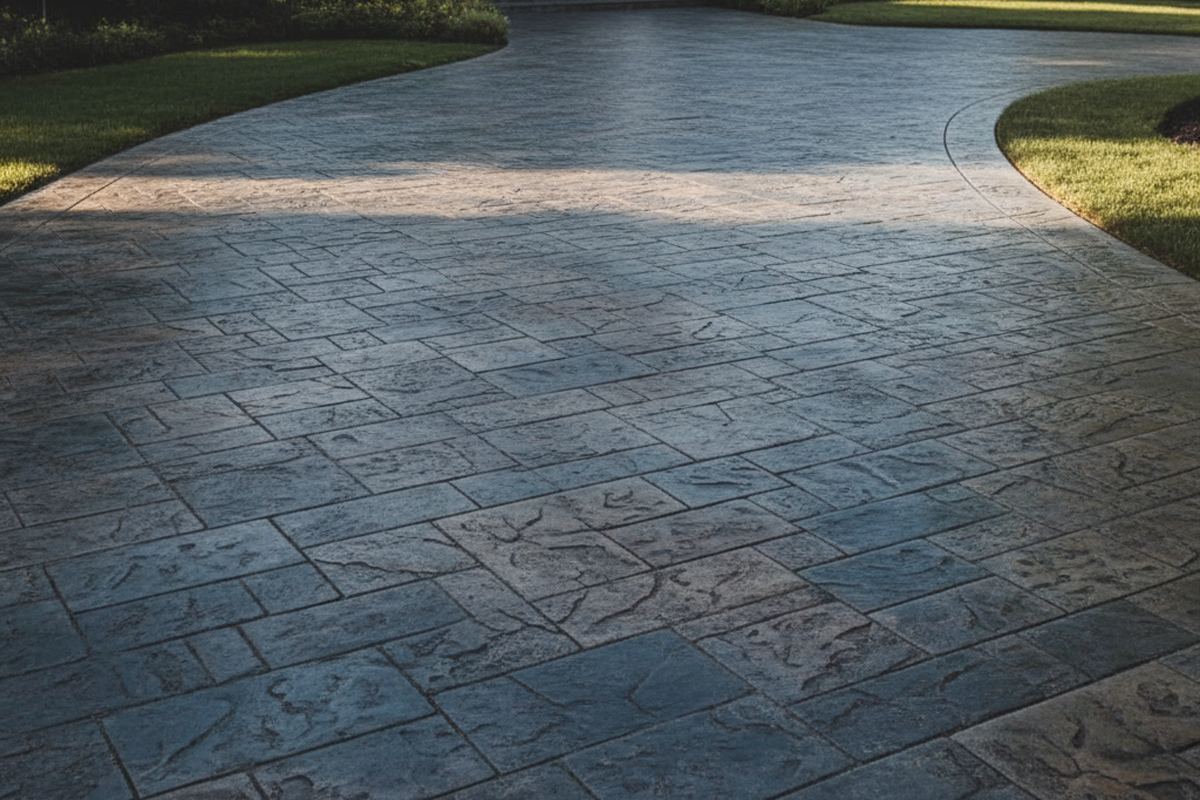
Homeowners often consider various materials for their driveways, balancing aesthetics with durability and cost. Stamped concrete offers a distinctive look, mimicking natural stone, brick, or other patterns, which can significantly enhance curb appeal. However, this aesthetic appeal comes with a different price point and maintenance profile compared to standard concrete. Understanding these differences is key to making an informed decision for your home improvement project.
Understanding Basic Concrete Driveway Costs
A standard concrete driveway provides a durable and long-lasting surface, typically costing between $4.50 and $7.50 per square foot for basic installation. This range accounts for labor, materials, and standard site preparation, such as excavation and a gravel base. Factors influencing this cost include the thickness of the concrete, the need for reinforcement like rebar or wire mesh, and the complexity of the driveway's shape or slope. A thicker slab, often 6 inches for heavier vehicles, will naturally cost more than a 4-inch slab.
For a typical two-car driveway measuring about 400 square feet, the cost for plain concrete might range from $1,800 to $3,000. This estimate generally includes pouring, finishing, and basic sealing. It's important to budget for potential additional costs like permits, extensive site grading, or removal of an old driveway, which can add hundreds to over a thousand dollars depending on the scope. Always obtain multiple bids to ensure competitive pricing and a clear understanding of what is included.
The Stamped Concrete Premium
Stamped concrete elevates the aesthetic significantly, but it also increases the cost per square foot. Expect to pay between $10 and $20 per square foot for stamped concrete, with some intricate designs or specialized coloring techniques pushing the price higher. This premium covers the additional labor and specialized materials required for stamping, coloring, and a more robust sealing process. The technique involves pressing molds into freshly poured concrete to create patterns, followed by the application of color hardeners and release agents.
For the same 400-square-foot driveway, a stamped concrete installation could range from $4,000 to $8,000. The specific pattern, number of colors, and the contractor's experience with stamped concrete all play a role in determining the final price. While the initial investment is higher, the enhanced curb appeal can add significant value to your property, making it a worthwhile consideration for homeowners looking to differentiate their homes.
- Pattern complexity: More intricate patterns increase labor time.
- Coloring techniques: Multiple colors or special stains add cost.
- Sealing requirements: Stamped concrete often requires more frequent or specialized sealing.
- Contractor experience: Specialists in stamped concrete may charge more for their expertise.
Durability and Longevity Considerations
Both standard and stamped concrete driveways are highly durable, with an average lifespan of 20 to 30 years or more with proper maintenance. The fundamental strength of the concrete slab is similar for both. The key difference in longevity for stamped concrete often lies in the surface treatment. The patterns and colors applied to stamped concrete can be more susceptible to wear and tear if not properly sealed and maintained, potentially showing fading or minor chipping over time.
Regular sealing is crucial for both types of concrete, but especially for stamped concrete. A high-quality sealer protects against moisture penetration, freeze-thaw cycles, and UV damage, which can fade colors. Without adequate sealing, stamped concrete might lose its vibrant appearance more quickly than plain concrete. Addressing cracks promptly, regardless of the concrete type, is also vital to prevent further deterioration and extend the driveway's life.
Estimate driveway cost by material, size, and demo needs — before the contractor visit.
Open the Driveway Cost EstimatorMaintenance Requirements Compared
Maintaining a standard concrete driveway is relatively straightforward. Regular cleaning, typically with a hose and scrub brush, helps remove dirt and grime. Sealing every 2-3 years is recommended to protect the surface from stains and weather. Promptly addressing oil spills or other contaminants prevents permanent discoloration. Minor cracks can often be repaired with concrete crack fillers, preventing them from expanding.
Stamped concrete requires a bit more attention to preserve its aesthetic. It should be cleaned regularly to prevent dirt from accumulating in the textured grooves, which can dull the appearance. Sealing is critical and often recommended annually or every other year, depending on traffic and climate. The sealer not only protects the concrete but also enhances the colors and patterns. If the color fades or the sealer wears off unevenly, re-tinting and resealing might be necessary to restore its original look.
Aesthetic Impact and Resale Value
The primary advantage of stamped concrete is its aesthetic appeal. It offers a sophisticated, customized look that can significantly enhance a home's curb appeal, mimicking materials like flagstone, slate, or brick at a fraction of the cost of the actual materials. This visual upgrade can make a strong first impression, setting your home apart from others in the neighborhood. For many homeowners, the ability to personalize their driveway with unique patterns and colors justifies the higher initial investment.
From a resale value perspective, a well-maintained stamped concrete driveway can be a strong selling point. While it's difficult to quantify an exact return on investment, enhanced curb appeal generally contributes positively to a home's market value. Potential buyers often perceive a stamped concrete driveway as an upgrade, suggesting attention to detail and quality in home finishes. In contrast, while functional, a plain concrete driveway typically does not offer the same level of aesthetic enhancement or perceived value.
Making the Right Choice for Your Home
When deciding between standard and stamped concrete, consider your budget, aesthetic goals, and willingness to commit to maintenance. If your priority is a cost-effective, durable surface with minimal upkeep, standard concrete is an excellent choice. It provides reliable performance and can be enhanced with simple design elements like borders or aggregate finishes without the full cost of stamping.
If you prioritize unique aesthetics and are prepared for the higher initial cost and slightly more involved maintenance, stamped concrete offers a transformative impact on your home's exterior. It allows for a high degree of personalization and can significantly boost curb appeal. Gather detailed quotes from several contractors for both options to compare costs and ensure all aspects of the project, including site preparation and sealing, are clearly outlined.
The bottom line
Choosing the right driveway material involves weighing initial costs against long-term benefits and desired aesthetics. Both standard and stamped concrete offer durable solutions for your home. By understanding the cost differences, maintenance requirements, and visual impact of each, you can make an informed decision that aligns with your budget and enhances your property for years to come.
Get more guidance like this in your inbox
Weekly emergency-fund tactics, milestone checklists, and the next article — delivered free.
Run your own number
Get a personalized emergency fund target based on your income, expenses, and job stability.
Open the calculator