How to Start a Vegetable Garden in 2026 (Real Costs)
The realistic startup cost of a vegetable garden and the payback math.
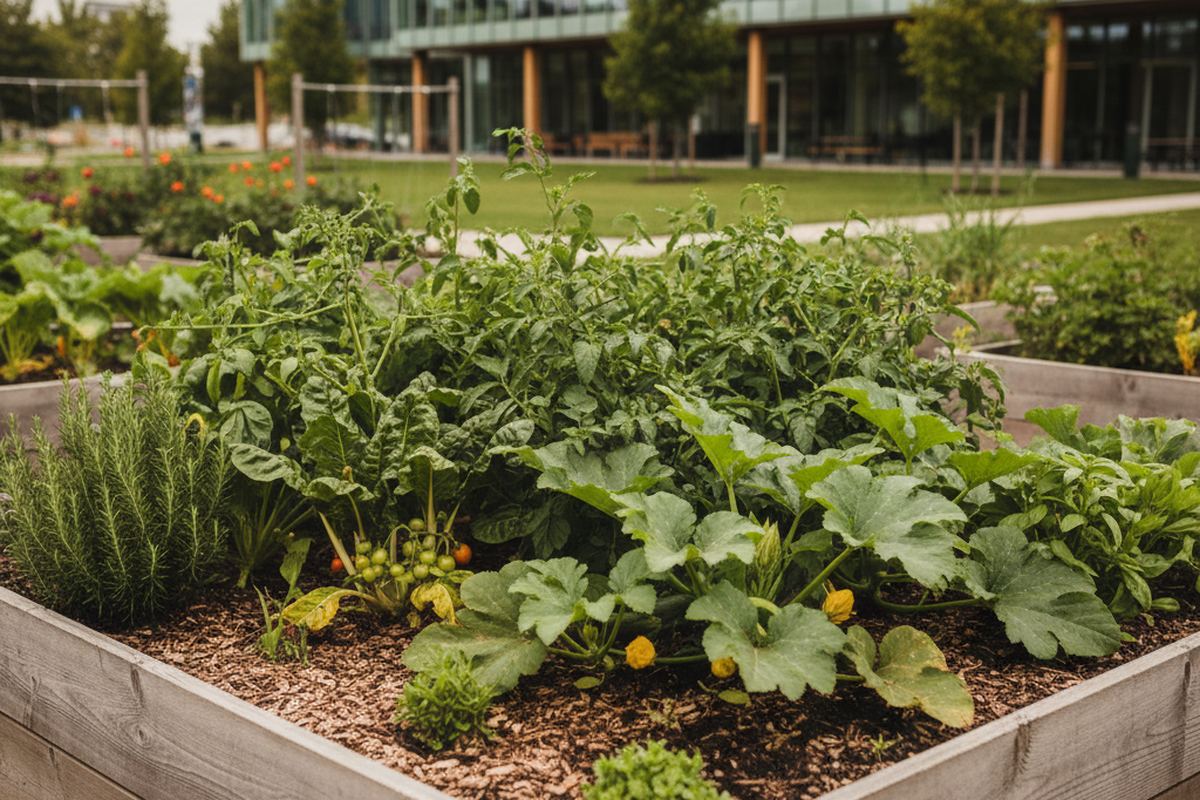
Embarking on a journey to grow your own vegetables can be a rewarding experience, offering fresh produce and a connection to nature. For many homeowners, the idea of a backyard garden sparks excitement, but often the initial question revolves around cost. Understanding the financial investment required to start a vegetable garden is crucial for effective planning, ensuring your green thumb doesn't lead to unexpected expenses. This guide breaks down the realistic costs for 2026, helping you cultivate a thriving garden without financial surprises.
Initial Planning and Site Preparation
Before digging in, careful planning is essential. This stage involves assessing your yard for sunlight exposure, soil quality, and water access. You'll need to decide on the size and type of garden, whether it's raised beds, in-ground plots, or containers. A soil test kit, costing around $15-$30, is a wise initial investment to understand nutrient levels and pH, guiding your soil amendment choices and preventing wasted effort on unsuitable conditions.
Site preparation can range from minimal effort for existing plots to significant work for new areas. Clearing weeds, leveling ground, and improving drainage might involve renting tools like a rototiller (around $70-$120 per day) or purchasing basic hand tools (shovels, rakes for $50-$150). For a 10x10-foot area, expect to spend $50-$200 on basic preparation, excluding larger equipment rentals or professional landscaping services.
Understanding Soil and Amendments
Healthy soil is the foundation of a productive vegetable garden. Even if your existing soil is decent, enriching it with organic matter is highly beneficial. For a 10x10-foot garden, you might need 10-20 cubic feet of compost or aged manure. Bulk compost typically costs $30-$60 per cubic yard, plus delivery fees, or $5-$10 per bag for smaller quantities. This translates to an initial soil amendment cost of $50-$150.
Beyond compost, specific soil amendments might be necessary based on your soil test results. Lime or sulfur can adjust pH, while fertilizers (organic or synthetic) provide essential nutrients. A bag of all-purpose organic fertilizer costs $20-$40, while specialized amendments like bone meal or kelp meal might add $15-$30. Plan for an additional $30-$80 for these targeted soil enhancements in your first year.
Choosing Your Planting Medium: Seeds vs. Starts
The decision between starting from seeds or purchasing young plant starts significantly impacts initial costs and effort. Seed packets, typically costing $2-$5 each, offer a wide variety and are generally more economical for larger quantities. For a 10x10-foot garden, a dozen seed packets for various vegetables might cost $25-$60. However, seeds require more time and controlled conditions to germinate successfully.
Plant starts, or seedlings, cost more per plant but offer a head start and higher success rates, especially for beginners. A 6-pack of vegetable starts typically ranges from $4-$8. If you opt for 20-30 individual plants to fill a 10x10-foot space, your cost could be $80-$240. Many gardeners use a combination, starting some crops from seed and buying starts for others like tomatoes or peppers.
Plan a real garden — bed size, soil, mulch, and grocery-equivalent yield.
Open the Garden PlannerEssential Tools and Equipment
A basic set of gardening tools is indispensable. This includes a hand trowel, pruning shears, gardening gloves, and a watering can or hose with a spray nozzle. Expect to spend $50-$150 for good quality, durable hand tools that will last for years. Investing in well-made tools upfront can save money and frustration in the long run.
Depending on your garden's size and complexity, you might consider additional equipment. For larger gardens, a garden fork ($30-$60) or a wheelbarrow ($70-$150) can be beneficial. Trellises or stakes for climbing plants like tomatoes or beans might add $20-$50. If you plan to start seeds indoors, seed-starting trays and a grow light can cost an additional $50-$150.
Watering Systems and Pest Control
Efficient watering is vital for a thriving garden. A standard garden hose with a spray nozzle might suffice for smaller gardens, costing $30-$70. For larger areas or those seeking more efficiency, a soaker hose system ($40-$100 for a basic setup) or drip irrigation ($80-$200 for a small kit) can conserve water and reduce labor. These systems deliver water directly to the plant roots, minimizing evaporation.
Pest and disease control is an ongoing aspect of gardening. Initial investments might include organic pest deterrents like neem oil ($15-$30) or insecticidal soap ($10-$20). Physical barriers like row covers ($30-$60 for a small roll) can protect young plants from insects and birds. Developing healthy soil and choosing resistant plant varieties are long-term strategies to minimize these costs.
Raised Beds vs. In-Ground Gardens: Cost Implications
The choice between raised beds and in-ground gardens significantly impacts initial setup costs. In-ground gardens typically have lower upfront material costs, primarily involving soil amendments. However, they may require more effort in soil preparation and ongoing weed control. For a 10x10-foot in-ground garden, the initial material cost (soil amendments, seeds/starts) could range from $150-$450.
Raised beds offer benefits like better drainage, warmer soil temperatures, and easier access. However, they come with the added expense of lumber or other framing materials and a larger volume of imported soil. A 4x8-foot raised bed kit can cost $80-$200, and filling it with quality soil and compost might add another $100-$250 per bed. For a 10x10-foot area, using multiple raised beds could easily cost $500-$1000 or more in materials alone.
Projected Payback and Long-Term Savings
While initial costs can seem substantial, a well-managed vegetable garden can offer significant long-term savings. The average family might spend $100-$200 per month on produce. Growing even a portion of your own vegetables can offset these expenses. For example, a successful 10x10-foot garden could yield $300-$700 worth of produce in a season, potentially recouping initial costs within one to two years.
Beyond monetary savings, the benefits extend to fresher, healthier food free from pesticides, and the satisfaction of harvesting your own crops. The initial investment shifts from a recurring grocery expense to a one-time setup cost that yields dividends in fresh produce and a more sustainable lifestyle. The value of homegrown food often surpasses its supermarket equivalent, offering superior flavor and nutritional quality.
The bottom line
Starting a vegetable garden in 2026 involves a range of costs, from basic tools to soil amendments and plant materials. By carefully planning and understanding these expenses, you can create a productive and enjoyable garden space. Focus on good soil health and appropriate plant choices to maximize your yield and minimize future problems. With a thoughtful approach, your garden can become a source of fresh food and personal fulfillment.
Get more guidance like this in your inbox
Weekly emergency-fund tactics, milestone checklists, and the next article — delivered free.
Run your own number
Get a personalized emergency fund target based on your income, expenses, and job stability.
Open the calculator