Starter Fertilizer vs Regular Fertilizer: What New Grass Actually Needs
Why starter fertilizer's higher phosphorus matters for germination, and when to switch to regular fert.
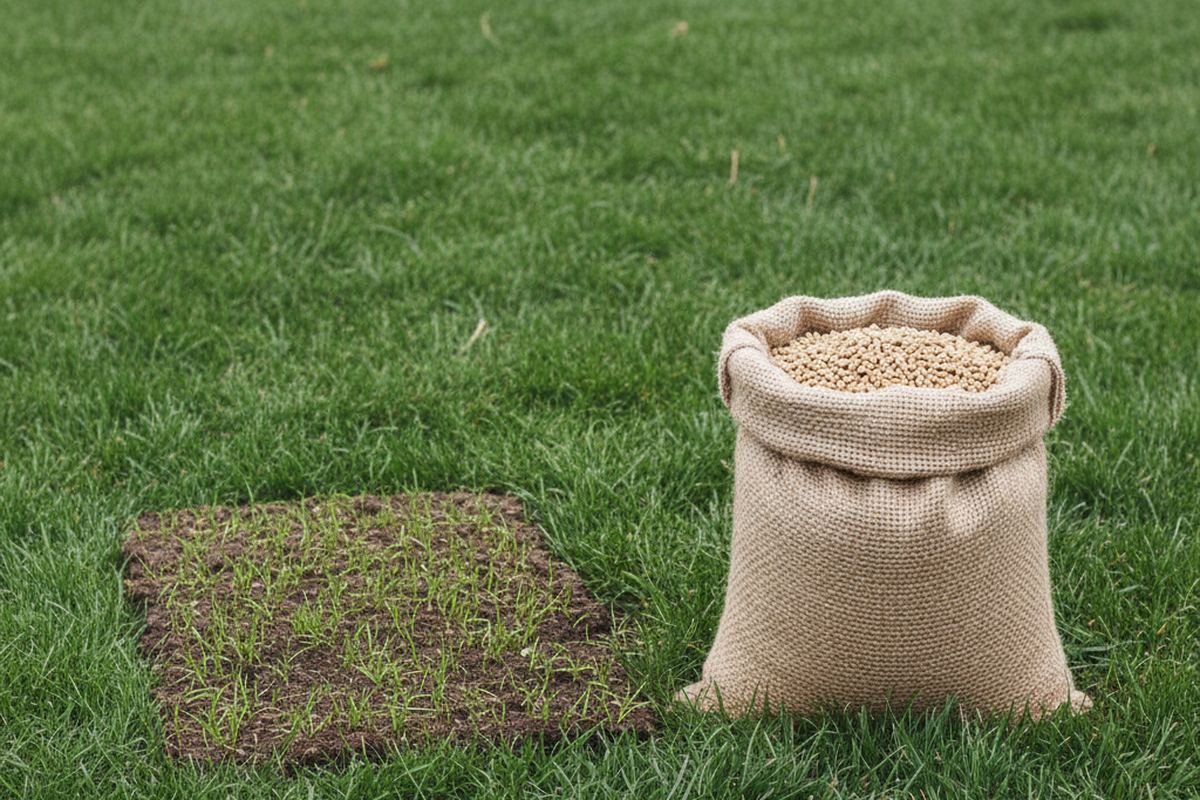
When you're establishing a new lawn or overseeding an existing one, providing the right nutrients is crucial for success. Many homeowners wonder if a specialized "starter fertilizer" is truly necessary, or if their regular lawn fertilizer will suffice. The answer lies in understanding the distinct needs of germinating seeds and young grass, which differ significantly from mature turf. Choosing the correct product can impact everything from germination rates to the long-term health and density of your lawn.
Understanding the Core Difference: Nutrient Ratios
The primary distinction between starter fertilizers and regular fertilizers lies in their NPK ratios – the percentages of Nitrogen (N), Phosphorus (P), and Potassium (K). Regular fertilizers typically prioritize nitrogen for lush green growth in mature grass, often with ratios like 28-0-4 or similar. These formulations support leaf development and overall vigor once the plant is established.
Starter fertilizers, on the other hand, are specifically formulated with a higher percentage of phosphorus. A common starter fertilizer ratio might be 18-24-6 or 10-20-10. This elevated phosphorus content is critical for root development and seedling establishment, which are the immediate needs of new grass. While nitrogen promotes top growth, phosphorus builds the foundational root system necessary for nutrient uptake and resilience.
The Role of Phosphorus in New Grass Development
Phosphorus is often referred to as the "root builder" nutrient. For newly germinated seeds and young grass, a robust root system is paramount. Strong roots anchor the plant, enable efficient water and nutrient absorption from the soil, and help the seedling withstand environmental stresses like drought or temperature fluctuations. Without adequate phosphorus, new grass may develop weak, shallow roots, making it more susceptible to disease and less likely to thrive.
Applying a starter fertilizer ensures that this vital nutrient is readily available to the emerging seedlings during their most critical developmental stage. This early boost in root growth can lead to a denser, healthier stand of grass more quickly, reducing bare spots and improving the overall success rate of your seeding project. It sets the stage for a resilient lawn capable of enduring future challenges.
Nitrogen's Function in Established vs. New Lawns
In established lawns, nitrogen is the primary driver of green, leafy growth. It contributes to chlorophyll production, which is essential for photosynthesis. Regular lawn fertilizers are designed to provide a steady supply of nitrogen to maintain color, density, and overall plant health throughout the growing season. Applying too much nitrogen to new seedlings, however, can be detrimental.
Excessive nitrogen on new grass can promote rapid top growth at the expense of root development. This creates an imbalance, leading to spindly, weak plants that are unable to support their own foliage effectively. While a small amount of nitrogen is included in starter fertilizers to initiate some top growth, the balance is carefully struck to prioritize the foundational root system first.
Get the exact pounds of seed you need for your lawn size, grass type, and overseeding vs new lawn.
Open the Lawn Seed CalculatorWhen to Apply Starter Fertilizer for Optimal Results
Starter fertilizer should be applied at the time of seeding or immediately after. This ensures that the phosphorus is available to the germinating seeds as soon as they begin to develop their first roots. For new lawn installations, spread the fertilizer evenly over the prepared soil before or simultaneously with the grass seed. For overseeding, apply it after spreading the seed.
The application rate will depend on the specific product and your soil test results, but generally, it's applied at a rate that delivers approximately 1 to 1.5 pounds of phosphorus (P2O5) per 1,000 square feet. Always follow the manufacturer's instructions carefully. Watering in the fertilizer after application helps it dissolve and become available to the emerging seedlings.
Transitioning to Regular Fertilizer: The Timeline
Once your new grass is established and has undergone several mowings – typically around 6 to 8 weeks after germination – you can begin to transition to a regular lawn fertilizer. At this point, the root system should be sufficiently developed, and the grass will benefit more from nitrogen to support its ongoing growth and color. The exact timing can vary based on grass type and environmental conditions.
For the first year, it's often recommended to use a balanced fertilizer or one with a slightly higher nitrogen content to encourage continued thickening. Avoid heavy nitrogen applications during the hottest months for cool-season grasses or during dormancy for warm-season grasses. A soil test can provide precise recommendations for your lawn's long-term nutrient needs.
Considering Soil Test Results and Local Regulations
Before applying any fertilizer, a soil test is highly recommended. This analysis will tell you the current nutrient levels in your soil, including phosphorus, and your soil's pH. If your soil already has very high phosphorus levels, adding more may not be necessary and could even be detrimental to local water quality. A soil test provides a scientific basis for your fertilization strategy.
Many states and municipalities have regulations regarding phosphorus fertilizer application due to its potential impact on waterways. These regulations often restrict phosphorus use on established lawns unless a soil test indicates a deficiency. However, starter fertilizers are typically exempt from these restrictions for new seeding or turf establishment, recognizing the critical need for phosphorus during this phase. Always check your local regulations before application.
The bottom line
Using the correct fertilizer for new grass is a foundational step in creating a healthy, vibrant lawn. Starter fertilizer provides the essential phosphorus needed for robust root development, setting your lawn up for long-term success. Understanding these nutrient differences allows you to provide precisely what your grass needs, when it needs it, leading to a more resilient and attractive turf.
Get more guidance like this in your inbox
Weekly emergency-fund tactics, milestone checklists, and the next article — delivered free.
Run your own number
Get a personalized emergency fund target based on your income, expenses, and job stability.
Open the calculator