Subfloor Repair: The Hidden Cost of Any Flooring Job
How pros price subfloor repair, when to insist on it, and the moisture reading that catches problems.
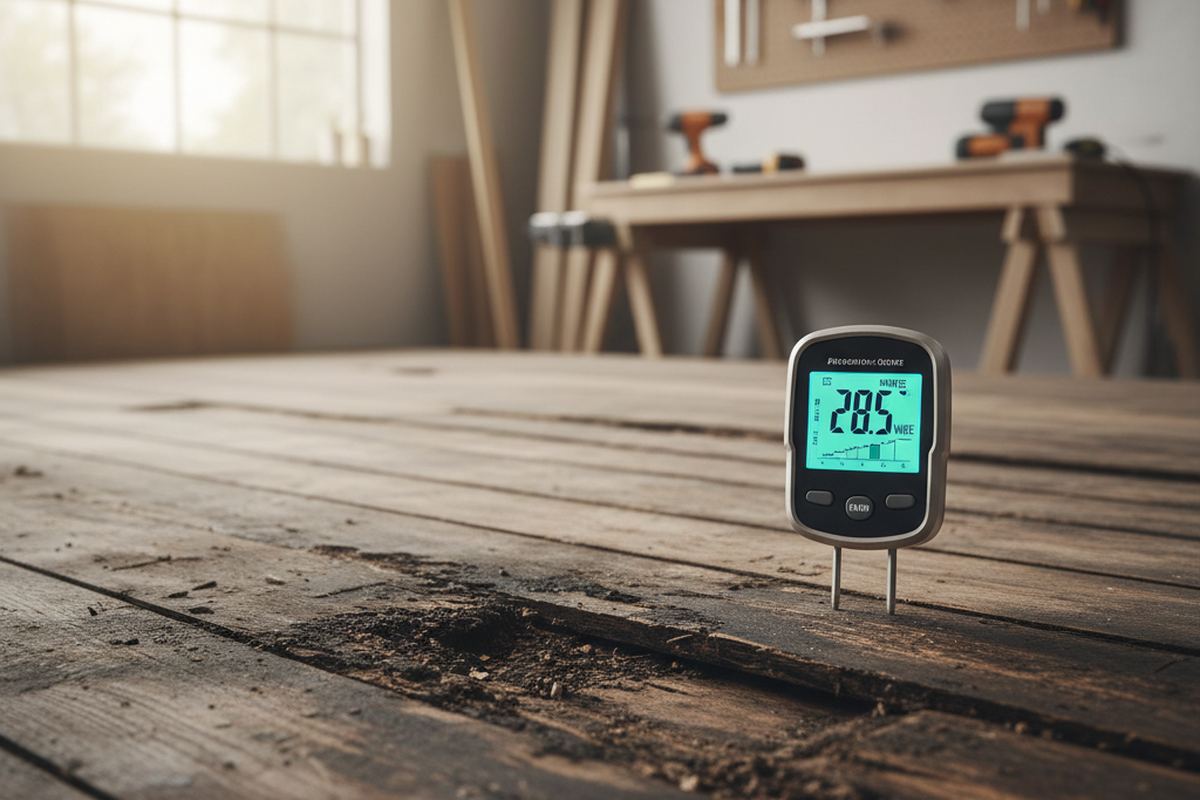
When planning a new flooring installation, many homeowners focus on the visible aspects: the type of material, its color, and the overall aesthetic. However, a critical, often unseen component is the subfloor beneath. Ignoring subfloor issues can lead to costly problems down the line, compromising the longevity and appearance of your new floors. Understanding the potential for subfloor repair and its associated costs is essential for accurate budgeting and a successful project outcome.
Understanding the Role of Your Subfloor
The subfloor serves as the foundational layer for your finished flooring, providing structural support and a stable, level surface. It's typically made of plywood, OSB (oriented strand board), or concrete, and its condition directly impacts how well your new flooring will perform and last. A compromised subfloor can lead to squeaks, unevenness, and even damage to your new flooring material over time, regardless of its quality or cost.
Before any new flooring is installed, professionals will assess the subfloor for integrity, moisture levels, and flatness. This initial inspection is crucial because addressing problems at this stage is significantly less expensive and disruptive than dealing with them after the new flooring is laid. Identifying and rectifying issues early ensures a proper installation and helps avoid future complications.
Common Subfloor Problems and Their Causes
Several issues can affect a subfloor's condition, ranging from minor imperfections to significant structural damage. Water damage, often from leaks, spills, or high humidity, is a primary culprit, leading to swelling, warping, or rot in wood-based subfloors. Termites or other pests can also compromise the structural integrity of wooden subfloors, creating soft spots or hollow areas.
Beyond moisture and pests, general wear and tear, improper installation of the original subfloor, or house settling can cause unevenness, squeaks, or cracks. These problems must be addressed to ensure a flat, sound surface for the new flooring. For example, a subfloor that is not flat enough can void the warranty of certain flooring materials, such as luxury vinyl plank or engineered wood.
Professional Assessment and Moisture Readings
A key part of a professional subfloor assessment involves taking moisture readings. Installers use specialized moisture meters to detect elevated moisture content within the subfloor, which indicates potential water damage or humidity issues. For wood-based subfloors, a moisture reading consistently above 12-15% often signals a problem that needs attention before new flooring can be installed.
For concrete subfloors, relative humidity (RH) tests are common, with readings above 75-85% often requiring a moisture barrier or remediation. These readings are critical because excess moisture can cause new flooring to warp, buckle, or delaminate. Identifying and mitigating moisture sources is non-negotiable for a successful and lasting flooring project.
Estimate flooring cost by square footage and material — with waste factor and install labor baked in.
Open the Flooring Cost CalculatorTypical Subfloor Repair Costs
Repair costs for subfloors vary widely depending on the extent and type of damage. Minor repairs, such as sanding high spots or filling small depressions, might add $1 to $3 per square foot to the total project cost. Addressing squeaky subfloors by adding screws or shims could range from $1 to $5 per square foot, depending on accessibility and severity.
More extensive repairs, like replacing sections of water-damaged plywood or OSB, can cost $3 to $8 per square foot, including material and labor. For concrete subfloors requiring leveling compounds, costs might be $2 to $6 per square foot. These figures are estimates and can fluctuate based on local labor rates and the complexity of the specific repair needed.
- Small patch repair: $50 - $200 per area
- Leveling compound (thin layer): $2 - $4 per square foot
- Plywood replacement (localized): $3 - $8 per square foot
- Moisture mitigation system (concrete): $4 - $10 per square foot
When to Insist on Subfloor Repair
You should always insist on subfloor repair if there are noticeable signs of structural instability, significant unevenness, or active moisture issues. Squeaking floors, bouncy spots, or visible water stains are clear indicators that repair is necessary. Installing new flooring over a compromised subfloor is a false economy, as it will likely lead to premature failure of the new material and more expensive repairs down the line.
Furthermore, many flooring manufacturers specify subfloor conditions in their warranty requirements. Failing to meet these standards by neglecting necessary repairs could void your warranty, leaving you responsible for future damage. A professional installer will typically outline required subfloor preparations in their quote, and it's prudent to follow their recommendations.
Budgeting for Unforeseen Subfloor Issues
Given the hidden nature of subfloor problems, it is wise to allocate a contingency fund within your flooring budget. Many professionals recommend setting aside an additional 10% to 20% of the total estimated project cost specifically for unexpected subfloor repairs. This helps prevent project delays and financial stress if significant issues are discovered during demolition.
Discuss potential subfloor issues with your flooring contractor early in the process. Ask about their standard inspection procedures and how they handle unforeseen repairs. A transparent contractor will provide clear communication and options should additional work be required, ensuring you are prepared for the full scope of the project.
The bottom line
Understanding the condition of your subfloor is as important as choosing the right flooring material. Addressing subfloor issues upfront ensures the longevity and beauty of your new floors, preventing costly problems in the future. Always factor in potential subfloor repairs when budgeting for your project and prioritize a thorough professional inspection.
Get more guidance like this in your inbox
Weekly emergency-fund tactics, milestone checklists, and the next article — delivered free.
Run your own number
Get a personalized emergency fund target based on your income, expenses, and job stability.
Open the calculator