Summer Family Learning Projects Kids Love
The family summer learning projects kids actually remember for life.
Summer offers a unique opportunity to blend education with enjoyment, moving beyond traditional classroom settings. Engaging children in learning during these months can prevent the "summer slide" and foster a lifelong love for discovery. Family learning projects provide a structured yet flexible way to explore new subjects, develop practical skills, and strengthen family bonds. This approach ensures that summer remains a period of growth, not just a break from academics.
Cultivate a Family Garden for Hands-On Science
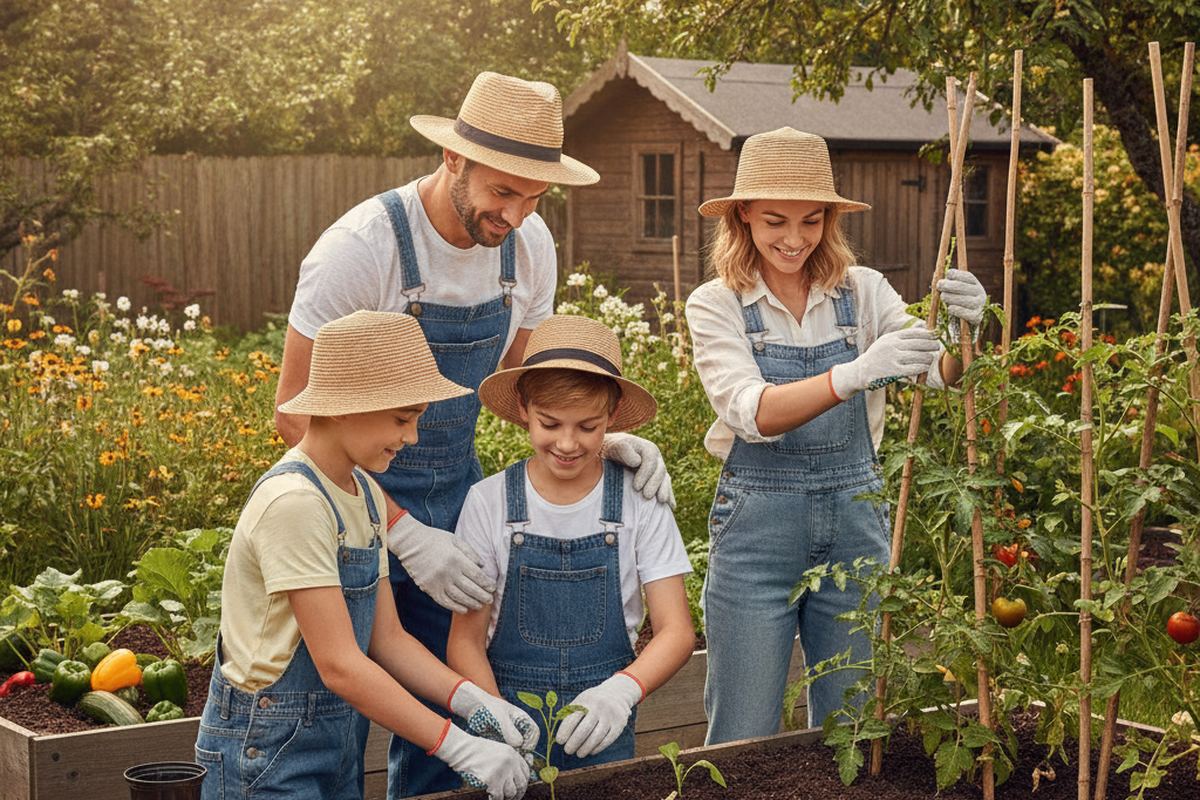
Starting a family garden teaches children about botany, ecology, and nutrition in a tangible way. From planting seeds and observing growth to understanding pest control and harvesting, each step offers a scientific lesson. Children learn about life cycles, the importance of sunlight and water, and the role of insects in an ecosystem. This project also introduces concepts of patience and responsibility as they care for living things.
Beyond the scientific aspects, gardening can integrate math skills through measuring planting distances, calculating yield, and tracking growth over time. It also encourages healthy eating habits as children are more likely to try vegetables they have grown themselves. Consider dedicating a small plot or using container gardens for herbs and vegetables, making it accessible even in urban environments. The harvest can then be used for family meals, connecting the effort directly to a rewarding outcome.
Launch a Family Book Club for Literary Exploration
A family book club can transform reading from a solitary activity into a shared adventure. Choose books that align with different family members' interests or explore new genres together. This fosters critical thinking as children analyze characters, plot, and themes, and it improves comprehension and vocabulary. Regular discussions about the chosen book encourage active listening and articulate expression.
To make it engaging, incorporate creative elements. For instance, after reading a book set in a historical period, watch a documentary or visit a local museum related to that era. If the book features a particular cuisine, try cooking a recipe from that culture together. These activities deepen the understanding and appreciation of the story, making the literary experience more immersive and memorable. Aim for a weekly or bi-weekly meeting to discuss progress and insights.
Explore Local History Through Community Adventures
Uncover the rich history of your local area through guided explorations. Many towns have historical societies, museums, or landmarks that offer educational programs or self-guided tours. This project teaches children about local heritage, civics, and the evolution of their community. It provides a concrete link between abstract historical concepts and their everyday surroundings.
Plan visits to historical sites, conduct interviews with long-time residents, or research old photographs and documents from the local library. Encourage children to act as history detectives, gathering clues and piecing together narratives. This can also involve creating a family scrapbook or digital presentation of their findings, solidifying their learning and providing a tangible record of their discoveries.
Budget a summer plan that beats the summer slide — camps, tutoring, and free wins.
Open the Summer Learning PlannerDesign and Build a Family Science or Engineering Project
Engage children in STEM by undertaking a hands-on science or engineering project. This could range from building a simple circuit or a model bridge to designing a water filtration system or a solar oven. These activities promote problem-solving skills, logical thinking, and an understanding of scientific principles through direct experimentation. Children learn to hypothesize, test, and refine their designs.
Allocate specific roles to each family member, encouraging teamwork and shared responsibility. Document the process with notes, drawings, or photographs, much like a real scientist or engineer. The focus should be on the process of inquiry and discovery, rather than solely on the outcome. For example, a project to build a simple catapult can teach physics concepts like leverage and trajectory.
Master a New Skill or Craft Together
Learning a new skill as a family can be incredibly rewarding. This could be anything from coding basics, photography, or learning a new language to knitting, woodworking, or playing an instrument. The process of acquiring a new skill teaches perseverance, fine motor skills, and creative expression. It also models the value of continuous learning.
Set achievable goals, such as learning five basic phrases in a new language each week or completing a simple coding project. Utilize online tutorials, local workshops, or library resources. The shared challenge and the support from family members can make the learning process more enjoyable and sustainable. Celebrate small milestones to maintain motivation and demonstrate progress.
Plan and Execute a Family Budget Simulation
Teach practical financial literacy by involving children in a simulated family budget project. Assign roles, such as 'income earner,' 'expense tracker,' or 'savings manager.' Provide a hypothetical monthly income and a list of realistic expenses, including housing, food, transportation, and entertainment. This exercise introduces concepts like income, expenses, saving, and making financial choices.
Children learn about trade-offs and the importance of prioritizing needs over wants. They can research costs of goods and services, compare prices, and make decisions about where to allocate funds. This project can be adapted for various age groups, helping them understand the value of money and responsible financial management in a low-stakes environment. For example, they can plan a hypothetical family vacation budget, including transportation, accommodation, and activities.
Develop a Community Service Project
Engaging in a family community service project teaches empathy, civic responsibility, and the impact of collective action. This could involve volunteering at a local food bank, organizing a neighborhood clean-up, or creating care packages for a local shelter. Children learn about the needs within their community and how their efforts can make a difference.
Involve children in every stage of the project, from identifying a need to planning and executing the service. This fosters leadership skills, organization, and communication. Discuss the purpose of their efforts and the positive outcomes for others. Such experiences build character and instill a sense of contribution, demonstrating that learning extends beyond academic subjects to social responsibility.
The bottom line
These family learning projects offer enriching experiences that extend far beyond the summer months. By integrating education into summer fun, you can cultivate curiosity, build practical skills, and create lasting memories. Choose projects that resonate with your family’s interests to ensure maximum engagement and enjoyment. This structured approach helps prevent the summer slide and promotes continuous development.
Get more guidance like this in your inbox
Weekly emergency-fund tactics, milestone checklists, and the next article — delivered free.
Run your own number
Get a personalized emergency fund target based on your income, expenses, and job stability.
Open the calculator