Summer Language Immersion at Home (Or Cheap)
How to do a real summer language immersion without a fancy trip.
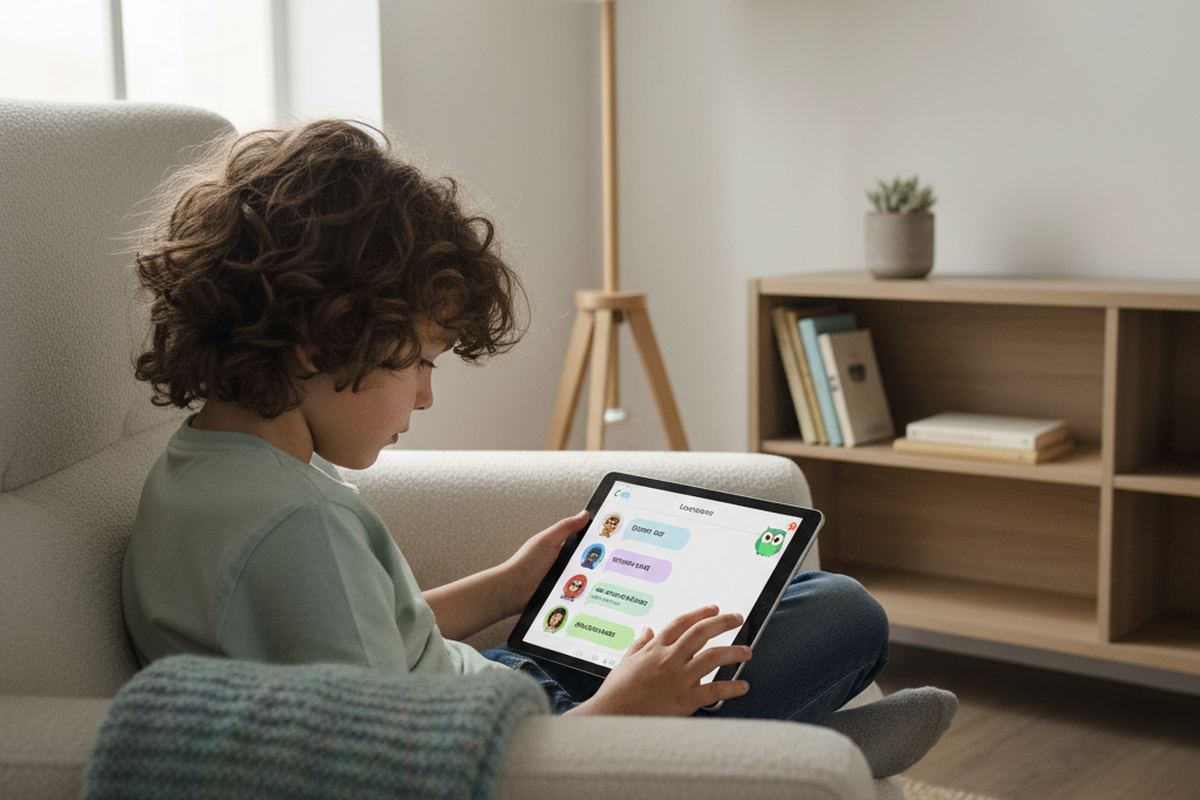
Summer offers a prime opportunity for children to dive into a new language without the pressures of the school year. While international travel is often associated with language immersion, it's entirely possible to create a rich, immersive experience right at home or through affordable local options. This approach can be just as effective in building fluency and cultural understanding, often at a fraction of the cost. The key lies in strategic planning and consistent engagement, turning everyday activities into language-learning moments.
Leverage Free Online Resources and Apps
The digital landscape provides a wealth of free resources for language acquisition. Platforms like Duolingo, Memrise, and various YouTube channels offer structured lessons, interactive exercises, and exposure to native speakers. Encourage your child to dedicate a consistent amount of time each day, perhaps 20-30 minutes, to these tools. Many apps incorporate gamification, which can keep young learners motivated and engaged.
Beyond structured lessons, look for foreign language cartoons, movies, and songs available on streaming services or public libraries. Hearing the language in a natural context, even passively, helps with pronunciation, intonation, and vocabulary recognition. Consider setting device languages to the target language for older children, creating a constant, subtle immersion in their daily digital interactions.
Create a Language-Rich Home Environment
Transforming your home into a mini-language school doesn't require extensive resources. Label common household items in the target language, such as 'mesa' for table or 'puerta' for door. This visual reinforcement helps children associate words with objects directly. Try to incorporate simple phrases into daily routines, like 'Buenos días' for good morning or '¿Qué quieres comer?' for what do you want to eat.
Meal times are excellent opportunities for language practice. Discuss food items, cooking steps, and even table manners in the new language. Reading children's books in the target language, even if you're just pointing to pictures and saying the words, fosters early literacy and vocabulary. Public libraries often have a selection of foreign language books, or you can find affordable options online.
Connect with Native Speakers Locally
Direct interaction with native speakers is invaluable for developing conversational fluency and confidence. Explore local community centers, universities, or cultural organizations for language exchange programs or conversation groups. Many cities have cultural festivals or events that celebrate different linguistic heritages, offering a chance for authentic exposure and interaction. Look for playgroups or meetups specifically for families interested in language learning.
If in-person meetings are challenging, consider online platforms that connect language learners with native speakers for conversation practice. Some services offer free or low-cost sessions. Even short, regular conversations can significantly boost a child's speaking and listening skills. Aim for interactions that are fun and low-pressure, focusing on communication rather than perfect grammar.
Budget a summer plan that beats the summer slide — camps, tutoring, and free wins.
Open the Summer Learning PlannerIncorporate Language into Hobbies and Play
Integrate the target language into your child's favorite activities. If they enjoy art, find craft instructions in the new language. If they like sports, learn the names of equipment and actions. Playing board games or card games with language-specific rules or vocabulary can make learning feel like play. This approach taps into their existing interests, making the language acquisition process more enjoyable and sustainable.
For example, if your child loves cooking, find simple recipes in the target language and work through them together. Use the ingredients' names and cooking verbs repeatedly. If they enjoy music, learn songs in the new language and sing along. Summer projects, such as building a model or creating a short video, can be done entirely in the target language, encouraging practical application of new vocabulary and grammar.
Explore Affordable Summer Programs and Camps
While international travel can be expensive, many local organizations offer budget-friendly language camps or programs. Check with community colleges, local schools, or cultural centers for summer offerings. These programs often provide structured learning with native-speaking instructors and opportunities for peer interaction. Some may even offer scholarships or sliding scale fees based on income.
Consider day camps that focus on a particular culture or language, providing an immersive environment without the overnight costs. Even a few weeks in such a program can significantly boost a child's language skills and confidence. Look for programs that emphasize interactive activities, games, and cultural experiences, rather than just textbook learning, to keep children engaged throughout the summer.
Set Realistic Goals and Celebrate Progress
Language learning is a marathon, not a sprint. Set achievable daily or weekly goals, such as learning 10 new words, practicing a new phrase, or watching a short cartoon in the target language. These small successes build momentum and prevent burnout. Focus on celebrating effort and progress, no matter how minor, to keep your child motivated.
Regularly review learned material to reinforce retention. Create a simple reward system for reaching milestones, like a special outing or a small treat. The goal is to foster a love for the language and culture, making the learning process a positive and enriching experience. By summer's end, even modest gains in fluency and confidence are significant achievements.
The bottom line
Creating a summer language immersion experience at home or on a budget is highly achievable with thoughtful planning and consistent effort. By integrating language into daily life, leveraging available resources, and seeking out local connections, you can provide your child with a valuable and lasting skill. This focused approach not only builds linguistic ability but also fosters cultural understanding and a love for lifelong learning.
Get more guidance like this in your inbox
Weekly emergency-fund tactics, milestone checklists, and the next article — delivered free.
Run your own number
Get a personalized emergency fund target based on your income, expenses, and job stability.
Open the calculator