Summer Math Practice Without the Fights
Summer math practice that keeps kids sharp without daily worksheet battles.
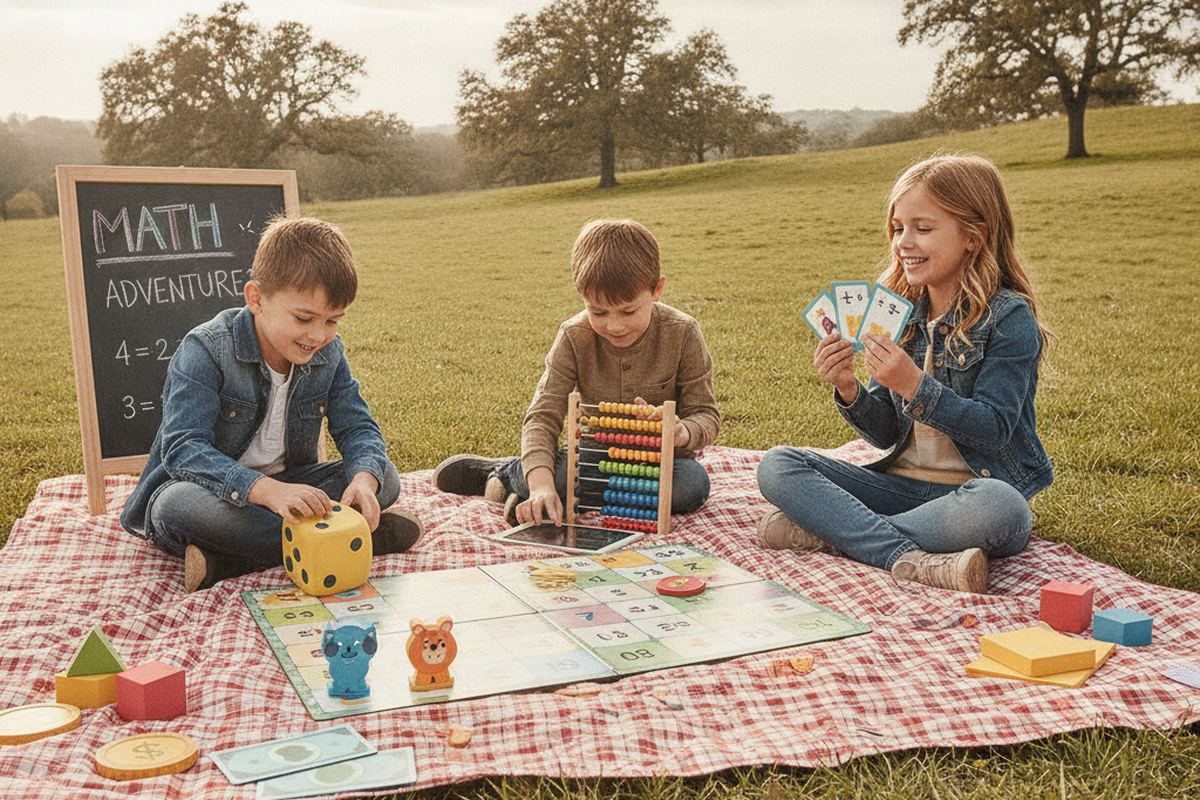
Summer offers a valuable opportunity for children to solidify their academic foundations, especially in mathematics. While the idea of daily worksheets might evoke groans, there are effective strategies to integrate math practice into summer routines without turning it into a chore. The goal is to maintain engagement and prevent the "summer slide," ensuring your child returns to school confident and prepared. Thoughtful planning can make summer math both productive and enjoyable for the whole family.
Understand the "Summer Slide" and Its Impact
The "summer slide" refers to the learning loss children experience over summer break when not engaged in educational activities. For mathematics, this can mean a regression in skills and a need for teachers to spend valuable time reviewing material from the previous year. Research suggests students can lose one to three months of learning during this period, making consistent, albeit light, practice crucial.
Preventing this slide doesn't require intensive tutoring. Instead, it involves consistent exposure to mathematical concepts in low-pressure, engaging ways. Understanding the potential impact motivates parents to find creative solutions that fit their family's summer lifestyle, rather than relying solely on traditional methods that can lead to frustration and resistance.
Integrate Math into Everyday Activities
One of the most effective ways to make math practice palatable is to embed it within daily life. This approach transforms abstract concepts into practical skills. For example, involve your child in grocery shopping by having them calculate unit prices, estimate the total bill, or determine change. Cooking and baking offer opportunities to work with fractions, measurements, and ratios, making math tangible and useful.
Travel can also be a rich source of math learning. Calculate distances, estimate travel times, or budget for a day trip. Even simple board games or card games often involve counting, probability, and strategic thinking. These informal applications help children see math not as a separate subject, but as an integral part of understanding the world around them.
Leverage Educational Games and Apps
Technology provides a wealth of resources for engaging math practice. Many educational apps and online games are designed to make learning fun and interactive, often adapting to a child's skill level. Look for options that offer immediate feedback and a variety of problem types, rather than simple drill-and-practice. Free resources from reputable educational organizations are also plentiful.
When selecting digital tools, consider your child's age and learning style. Some apps focus on foundational skills like arithmetic, while others explore geometry or problem-solving. Set reasonable screen time limits and view these tools as supplements to other activities, not replacements for hands-on learning or parent-child interaction.
Budget a summer plan that beats the summer slide — camps, tutoring, and free wins.
Open the Summer Learning PlannerStructured Yet Flexible Practice Sessions
While spontaneity is great, some structured practice can also be beneficial. This doesn't mean hours of worksheets. Instead, consider short, focused sessions—perhaps 15-30 minutes, 3-4 times a week. The key is consistency over intensity. Use a variety of materials: workbooks, flashcards, or even problems you create based on their interests.
Allow your child some input into when and how these sessions occur. Giving them a sense of control can reduce resistance. If a particular topic is causing frustration, switch to something different or take a break. The goal is to build confidence and maintain a positive attitude towards math, not to push through tears.
- Set a consistent, short practice time (e.g., 20 minutes, 3 times/week).
- Vary activities to keep engagement high.
- Focus on understanding, not just memorization.
- Offer choices to empower your child.
Explore Real-World Math Projects
Summer is an ideal time for extended projects that apply math skills. Building a birdhouse, planting a garden, or planning a lemonade stand all involve practical mathematics. These projects allow children to use measurement, budgeting, geometry, and data analysis in a meaningful context. The hands-on nature often makes learning more memorable and enjoyable.
Encourage your child to take the lead in these projects, with your guidance. For instance, if planting a garden, they can calculate the area, determine how many plants fit, and track growth. These experiences foster problem-solving skills and demonstrate the relevance of math beyond the classroom, cultivating a deeper appreciation for the subject.
Keep It Positive and Low-Pressure
The most critical aspect of summer math practice is maintaining a positive and low-pressure environment. Avoid language that associates math with difficulty or boredom. Instead, frame it as a fun challenge or a useful skill. Celebrate small victories and focus on effort and persistence, not just correct answers.
Remember that summer is also a time for rest and play. Over-scheduling or making math feel like a punishment can backfire, leading to resentment. By keeping activities light, engaging, and integrated into the summer fun, you can help your child stay sharp without the daily battles, fostering a lifelong positive relationship with mathematics.
Plan for 2026: Financial Implications and Resources
Looking ahead to 2026, educational resources and summer programs may see adjustments in pricing and availability. While many free online tools will likely remain, premium apps or tutoring services might see modest increases, potentially in the range of 3-5% annually. Planning for these costs can help families budget effectively for enrichment activities.
Consider leveraging community resources such as local libraries, which often offer free summer reading and math programs. Many public school districts also provide summer learning opportunities, sometimes at a reduced cost or free for eligible families. Exploring these options early can ensure access to quality, affordable math support for your child in the coming years.
The bottom line
Thoughtful planning for summer learning doesn't have to be complicated or expensive. By incorporating math into everyday activities, utilizing engaging resources, and maintaining a positive approach, you can effectively combat the summer slide. The goal is to cultivate a love for learning and ensure your child feels confident and prepared for the academic year ahead, all while enjoying their summer break.
Get more guidance like this in your inbox
Weekly emergency-fund tactics, milestone checklists, and the next article — delivered free.
Run your own number
Get a personalized emergency fund target based on your income, expenses, and job stability.
Open the calculator