Tile vs LVP in the Kitchen: 2026 Pro Pick
Which kitchen flooring holds up to spills, dropped pots, and hard shoes — and which resale buyers prefer.
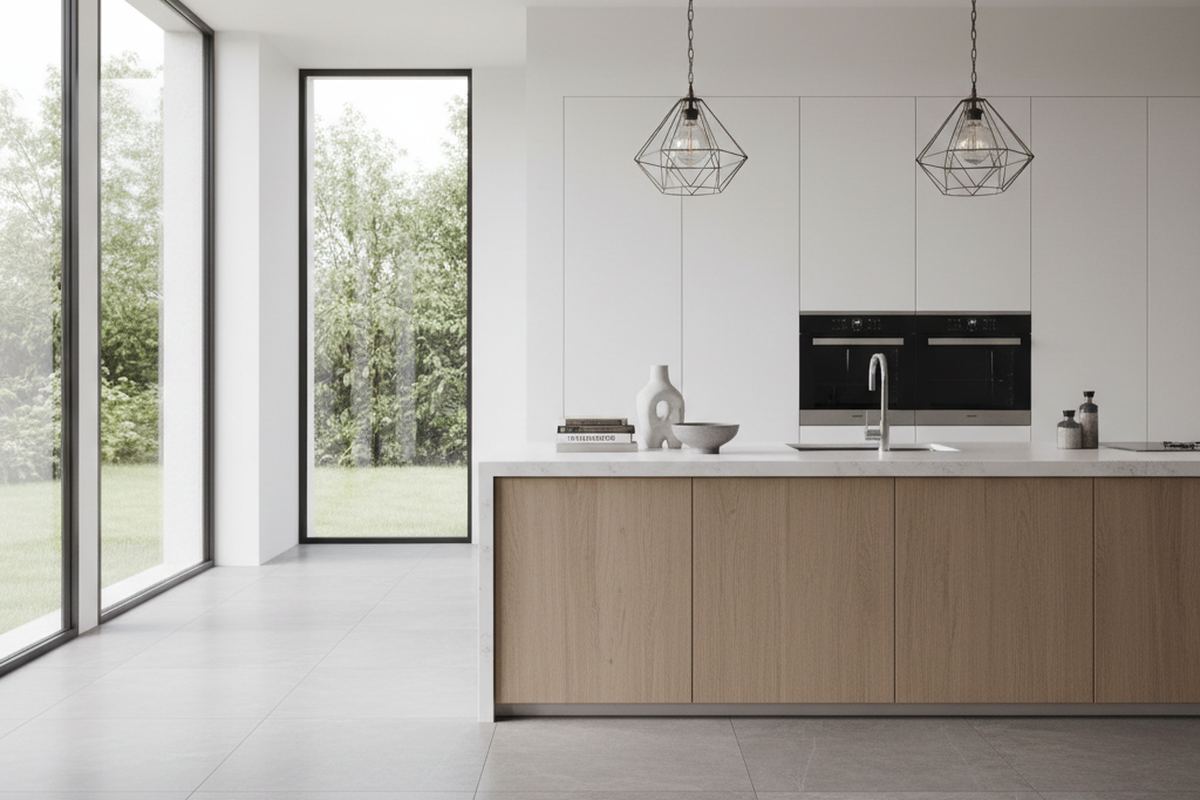
Choosing the right flooring for a kitchen involves balancing durability, aesthetics, and budget. The kitchen is a high-traffic area prone to spills, impacts, and temperature fluctuations, making material selection critical. Two popular contenders, tile and Luxury Vinyl Plank (LVP), each offer distinct advantages and disadvantages. Understanding these differences can help homeowners make an informed decision that suits their lifestyle and long-term goals for their space.
Understanding the Fundamentals: Tile
Tile, encompassing ceramic and porcelain, has been a kitchen staple for centuries. Porcelain tile, in particular, is renowned for its exceptional hardness and water resistance, making it highly suitable for wet environments. Its density means it absorbs very little moisture, preventing stains and bacterial growth. Ceramic tile, while slightly less dense, still offers robust performance in kitchen settings.
The durability of tile is a significant draw. It resists scratches, dents, and heavy foot traffic with ease. When properly installed with quality grout, a tile floor can last for decades, often exceeding 50 years. This longevity makes it a sound long-term investment, though the initial installation cost can be higher due to the labor-intensive process and the need for specialized tools.
Understanding the Fundamentals: Luxury Vinyl Plank (LVP)
Luxury Vinyl Plank (LVP) is a multi-layered synthetic flooring product designed to mimic the appearance of natural wood or stone. Its core is often made from PVC, which provides excellent water resistance and stability. The wear layer, a clear protective coating, is crucial for resisting scratches and scuffs, making LVP a practical choice for busy households.
LVP offers a softer feel underfoot compared to tile, which can be more comfortable for standing extended periods. Its installation is generally quicker and less expensive than tile, often featuring click-lock systems that some homeowners can even manage themselves. While not as long-lasting as tile, a high-quality LVP floor can still provide 20-30 years of reliable service with proper care.
Durability and Maintenance: A Head-to-Head Comparison
When it comes to resisting wear and tear, both options perform well, but with differences. Tile, especially porcelain, excels in scratch and dent resistance, making it nearly impervious to dropped utensils or heavy appliances. Its hard surface means it won't compress or show traffic patterns. However, individual tiles can chip or crack if a heavy object is dropped directly on them, requiring replacement.
LVP is highly resistant to scratches and scuffs, particularly those with a thick wear layer (e.g., 20 mil or higher). It's also more forgiving of impacts than tile, as its resilient nature can absorb some shock, reducing the likelihood of damage to both the floor and dropped items. Cleaning both tile and LVP is straightforward, requiring regular sweeping or vacuuming and occasional damp mopping with appropriate cleaners.
- Tile: Superior scratch and dent resistance, but can chip/crack.
- LVP: Excellent scratch and scuff resistance, more forgiving of impacts.
Estimate flooring cost by square footage and material — with waste factor and install labor baked in.
Open the Flooring Cost CalculatorWater Resistance and Spill Management
The kitchen is a zone for spills, from water to cooking oils. Both tile and LVP are highly water-resistant. Porcelain tile is virtually waterproof, with an absorption rate of less than 0.5%. Ceramic tile is also very resistant. The primary vulnerability for tiled floors lies in the grout lines, which can absorb moisture if not properly sealed, leading to discoloration or mildew over time. Modern epoxy grouts, however, offer superior water resistance and stain protection.
LVP is inherently waterproof due to its PVC core and layered construction. Spills sitting on the surface will not penetrate the material, making it an excellent choice for preventing water damage. This makes LVP particularly appealing for kitchens where water exposure is a frequent concern. It eliminates the grout line issues associated with tile, offering a more seamless and impenetrable surface.
Comfort and Aesthetics: Feel and Look
The underfoot feel of flooring can significantly impact daily comfort. Tile is a very hard surface; standing for long periods can be taxing on joints, and dropped items are more likely to break. Tile also tends to be cold, which can be a consideration in colder climates, though radiant heating systems can mitigate this. Aesthetically, tile offers an enormous range of colors, patterns, and sizes, from classic subway to large format modern designs, allowing for extensive design flexibility.
LVP offers a softer, more resilient feel underfoot, which can be more comfortable for extended standing. It also tends to be warmer than tile. Visually, LVP has made significant advancements in mimicking natural materials. High-quality LVP planks feature realistic textures, grain patterns, and beveled edges that closely replicate the look of hardwood or natural stone, often at a fraction of the cost.
Cost and Resale Value Considerations for 2026
As of 2026, the cost of kitchen flooring varies considerably. For material and installation, expect to pay roughly $8-$20 per square foot for ceramic tile and $12-$30 per square foot for porcelain tile, depending on the tile's complexity and installation labor. LVP typically ranges from $6-$15 per square foot installed. While LVP has a lower upfront cost, tile's longevity often translates to a lower cost per year of use.
From a resale perspective, both options are generally well-regarded by buyers. High-quality porcelain tile is often considered a premium finish and can significantly boost home value, especially in current market trends emphasizing durability and low maintenance. LVP is increasingly seen as a desirable, practical, and attractive option, particularly for its waterproof characteristics and realistic appearance, offering a solid return on investment for many homeowners.
The bottom line
Both tile and LVP offer compelling benefits for a kitchen. Your final decision should weigh factors like your budget, desired aesthetic, tolerance for maintenance, and long-term plans for your home. Evaluate which material best aligns with your daily life and contributes to the overall comfort and value of your kitchen space.
Get more guidance like this in your inbox
Weekly emergency-fund tactics, milestone checklists, and the next article — delivered free.
Run your own number
Get a personalized emergency fund target based on your income, expenses, and job stability.
Open the calculator