Water Heater Maintenance: 3 Tasks That Double Its Life
The 3 water heater maintenance tasks — anode rod, flush, temp check — that add years.
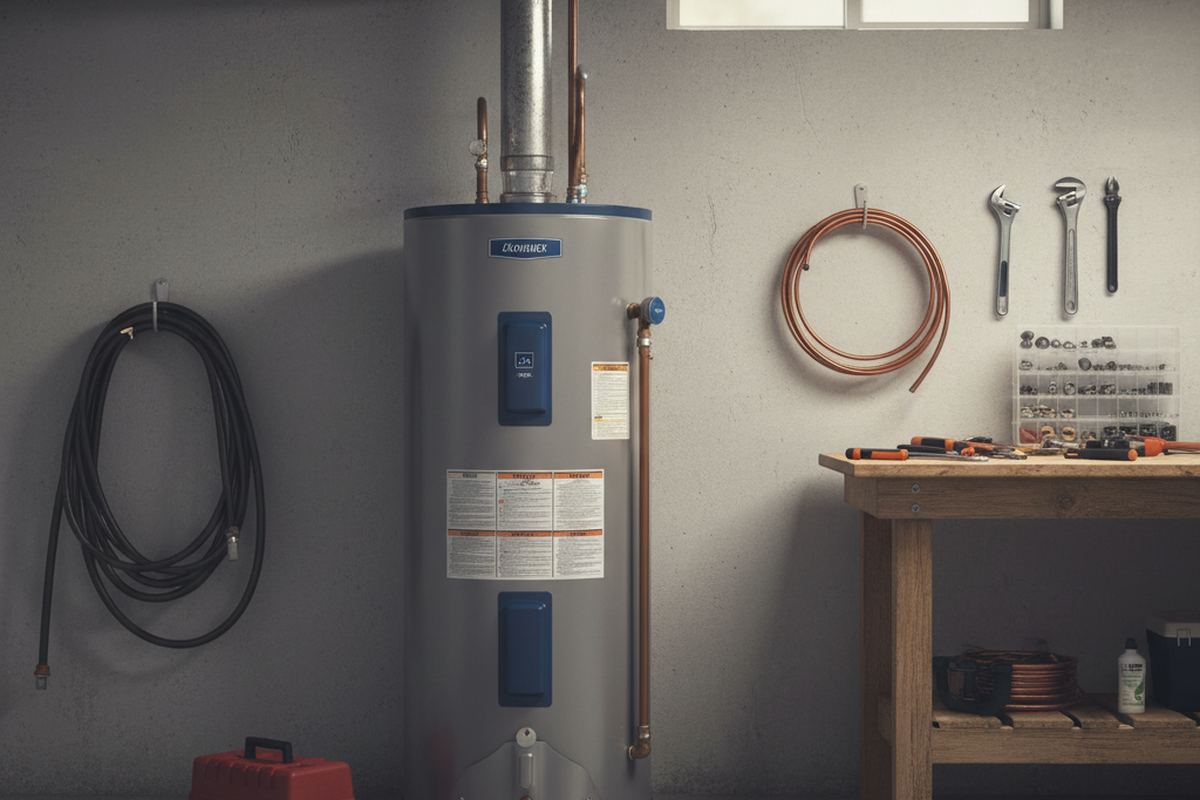
Understanding the lifespan of your water heater is crucial for effective home budgeting and maintenance planning. Most conventional water heaters are designed to last between 8 to 12 years, but neglecting simple upkeep can significantly shorten this period. Proactive maintenance, particularly focusing on three key tasks, can extend your unit's life well beyond its typical expectation. This not only saves you the expense and inconvenience of premature replacement but also ensures consistent access to hot water.
Replacing the Anode Rod: Your Heater's Sacrificial Protector
The anode rod is often called the 'sacrificial rod' for a good reason. Made from magnesium, aluminum, or zinc, it's designed to corrode before the steel tank of your water heater does. Water contains minerals and impurities that can eat away at the tank lining, but the anode rod attracts these corrosive elements, protecting the more expensive components. Over time, this rod completely disintegrates, leaving your tank vulnerable.
Inspecting and replacing the anode rod every three to five years, or sooner in areas with hard water, is a critical task. The cost of a new anode rod typically ranges from $20 to $50, making it a highly cost-effective measure compared to the $1,200 to $2,500 average cost of a new water heater installation. Replacing it is a straightforward DIY task for many homeowners, requiring basic tools and a careful approach to draining a portion of the tank.
Flushing the Tank: Removing Sediment Buildup
Over time, minerals like calcium and magnesium present in your water accumulate at the bottom of your water heater tank as sediment. This layer of sediment acts as an insulator, forcing your water heater to work harder to heat the water. This increased effort not only reduces efficiency, leading to higher energy bills, but also causes the heating element to overheat and fail prematurely, significantly shortening the unit's lifespan.
Flushing your water heater annually helps remove this damaging sediment. The process involves turning off the power or gas, shutting off the cold water supply, connecting a hose to the drain valve, and opening the valve to let the water (and sediment) flow out. This simple procedure, which takes about 30-60 minutes, ensures your heater operates more efficiently and prevents potential damage to internal components. For example, a 50-gallon electric water heater can see its energy consumption jump by 10-15% with just a half-inch of sediment buildup.
Testing the Temperature and Pressure Release Valve
The temperature and pressure relief (T&P) valve is a crucial safety device designed to prevent your water heater from exploding. If the temperature or pressure inside the tank exceeds safe limits, the T&P valve automatically opens to release hot water and steam, reducing the risk of a catastrophic failure. A malfunctioning T&P valve can lead to dangerous conditions, including potential structural damage or severe injury.
Testing the T&P valve annually is a quick and essential safety check. To test it, simply lift the lever on the valve for a few seconds. You should hear a rush of water and see hot water discharge from the discharge pipe. If no water comes out, or if it doesn't shut off completely, the valve may be corroded or faulty and needs immediate replacement. A new T&P valve typically costs $15 to $30, a small price for such a vital safety component.
See what to set aside every month for home maintenance — with the 1% and $1/sq ft rules and age adjustments.
Open the Home Maintenance Budget CalculatorInsulating Your Water Heater and Pipes
Insulating your water heater tank and the first six feet of hot and cold water pipes can significantly reduce heat loss, leading to less energy consumption and reduced wear and tear on the unit. For older models, especially those without internal insulation, an insulating blanket can reduce standby heat loss by 25-45%. This means the heater doesn't have to cycle on as frequently, preserving its components.
The cost of a water heater insulation blanket is typically $20 to $50, and pipe insulation can be purchased for a few dollars per linear foot. This small investment can result in annual energy savings ranging from $20 to $45, depending on your water heating usage and utility rates. Beyond the energy savings, preventing heat loss means the heater works less, which contributes directly to a longer operational life.
Monitoring for Leaks and Rust
Regularly inspecting your water heater for any signs of leaks or rust can provide early warnings of potential issues. Small leaks, often appearing around the top or bottom of the tank, or at pipe connections, can indicate developing problems such as corroded fittings or a failing tank. If left unaddressed, these small leaks can quickly escalate into major water damage, requiring costly repairs to your home and a full water heater replacement.
Rust on the exterior of the tank, especially around the base, is another red flag. This can suggest internal corrosion that has breached the tank's integrity. Catching these issues early allows for timely repairs, such as replacing a faulty valve or tightening a loose connection, which are far less expensive than replacing the entire unit. A quick visual check every few months is usually sufficient to spot these early indicators.
Setting the Right Temperature for Longevity and Safety
The ideal temperature setting for most residential water heaters is 120°F (49°C). While some homeowners might set it higher for hotter water, maintaining a lower temperature reduces the strain on the heating elements and the tank itself. Higher temperatures accelerate the accumulation of mineral deposits and increase the rate of corrosion, both of which shorten the water heater's lifespan. It also reduces the risk of scalding.
Operating at 120°F also contributes to energy efficiency, saving approximately 6-10% on your water heating costs for every 10°F reduction in temperature. This balance between comfort, safety, and efficiency is key to extending the life of your unit. For homes with specific needs, such as dishwashers requiring hotter water, a booster heater can be installed on that appliance rather than increasing the whole house's water temperature.
The bottom line
By consistently performing these three critical maintenance tasks—anode rod replacement, annual flushing, and T&P valve testing—along with regular inspections and optimal temperature settings, you can significantly extend the life of your water heater. These proactive steps not only safeguard your investment but also ensure reliable hot water for years to come. Dedicating a small amount of time each year to these routines will yield substantial long-term benefits.
Get more guidance like this in your inbox
Weekly emergency-fund tactics, milestone checklists, and the next article — delivered free.
Run your own number
Get a personalized emergency fund target based on your income, expenses, and job stability.
Open the calculator