Watering Schedule for New Grass Seed (Week by Week)
The week-by-week watering plan that keeps new grass seed moist without washing it out.
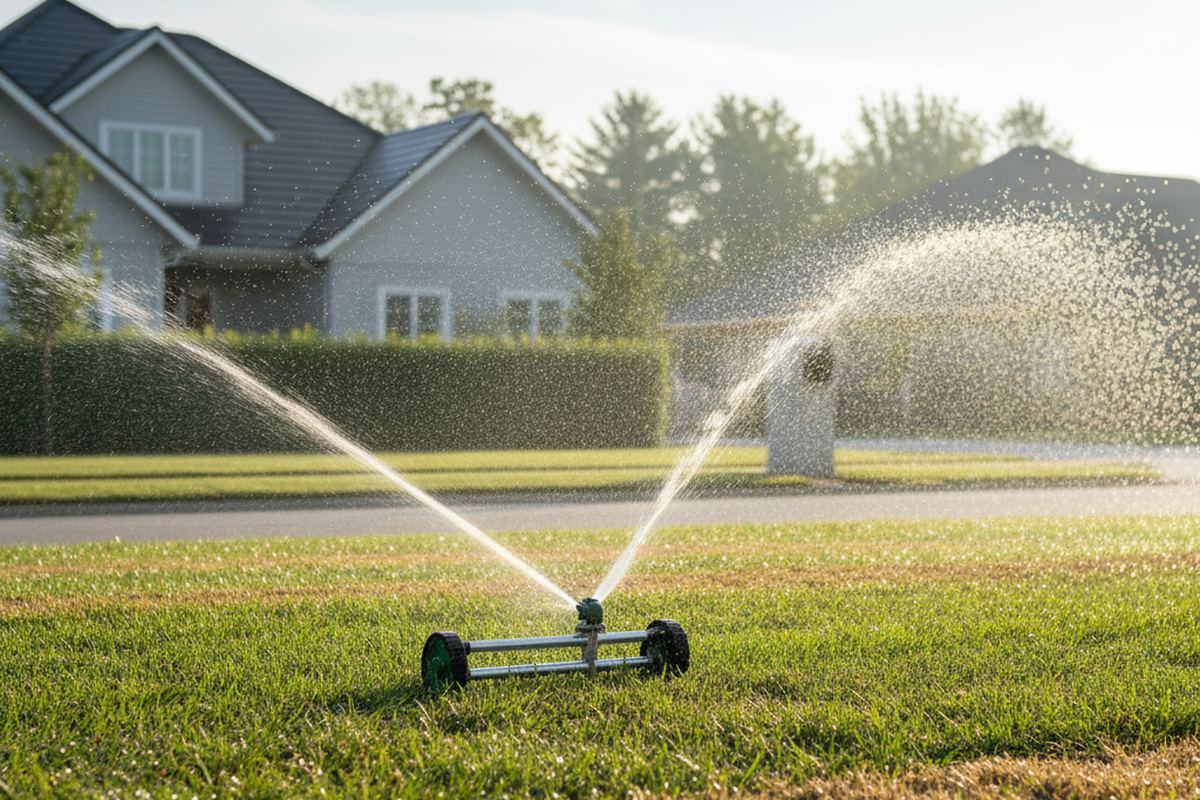
Establishing a lush lawn from new grass seed requires more than just good soil and quality seeds; proper watering is paramount. The initial weeks are critical, as inconsistent moisture can lead to patchy growth or complete failure. This guide outlines a week-by-week watering schedule designed to maximize germination and help your new grass establish strong roots, ensuring your efforts result in a vibrant, healthy lawn. Following these guidelines will prevent common pitfalls like drying out or overwatering, setting your lawn up for success.
Understanding the "Why" Behind Strategic Watering
New grass seeds need constant moisture to germinate. Unlike established lawns, which can tolerate some drying between waterings, seeds and young seedlings have shallow root systems that are highly susceptible to desiccation. Consistent, light watering keeps the seedbed moist without displacing the seeds or causing erosion. This delicate balance is crucial for encouraging the tiny sprouts to emerge and begin photosynthesis.
Overwatering, however, can be just as detrimental as underwatering. Excess moisture can lead to fungal diseases like damping-off, which kills seedlings, and can also wash away seeds, creating bare spots. It also compacts the soil, reducing oxygen availability to the developing roots. Understanding the specific needs of each growth stage allows for a tailored watering approach that supports healthy development without waste.
Week 1: The Germination Phase
The first week is all about keeping the seedbed continuously moist. After spreading your grass seed, immediately water the area thoroughly but gently. The goal is to saturate the top 1-2 inches of soil without creating puddles or runoff. Use a sprinkler that delivers a fine mist to avoid dislodging seeds. Depending on ambient temperature and sunlight, you may need to water 3 to 5 times a day.
Each watering session during this phase should be relatively short, lasting only 5-10 minutes. The aim is to prevent the soil surface from drying out. Monitor the seedbed closely; if you see the soil turning light brown or white, it's signaling dryness. Adjust your watering frequency as needed to maintain a consistently dark, moist appearance. Avoid standing water, which can suffocate emerging seedlings.
Weeks 2-3: Early Growth and Root Development
As germination begins and tiny seedlings emerge, typically in weeks 2-3 depending on the grass type, you can start to slightly reduce the frequency of watering while increasing the duration. The goal shifts from merely keeping the surface moist to encouraging roots to grow deeper. Water 2 to 3 times a day, for longer periods, aiming to moisten the soil to a depth of 2-3 inches.
Continue to use a gentle sprinkler setting. If you notice any areas drying out faster, adjust your sprinkler coverage. This stage is critical for establishing a robust root system. By encouraging roots to chase water deeper, you are building resilience into your new lawn, making it more tolerant to future dry spells. Watch for any signs of stress, such as wilting, which indicates insufficient water.
Get the exact pounds of seed you need for your lawn size, grass type, and overseeding vs new lawn.
Open the Lawn Seed CalculatorWeeks 4-5: Strengthening the Young Lawn
By weeks 4-5, your grass should be visibly growing and beginning to form a thin turf. At this point, further reduce watering frequency to once or twice a day, but significantly increase the duration of each session. The aim is to deliver water deeply, encouraging roots to extend 4-6 inches into the soil. This deep watering helps transition the young grass from its fragile seedling stage to a more established plant.
The timing of watering also becomes more important. Watering in the early morning is ideal, as it allows the grass blades to dry before nightfall, reducing the risk of fungal diseases. Avoid watering late in the evening. Continue to observe your lawn; if it appears stressed, a brief, extra watering might be necessary, but generally, the focus is on deeper, less frequent applications.
Weeks 6-8 and Beyond: Transition to Established Lawn Care
From week 6 to 8, your new lawn should be ready for its first mow (ensure blades are sharp and set high). Transition to watering every other day, or even every two to three days, with very deep applications. The goal is to soak the soil to a depth of 6-8 inches. This mimics the watering schedule of an established lawn, promoting a strong, drought-tolerant root system.
After 8 weeks, you can generally shift to a typical established lawn watering schedule, which often means watering 1-3 times per week, depending on your climate, soil type, and grass variety. Each watering session should deliver about 1 inch of water. A tuna can placed on your lawn can help measure this. Always prioritize deep, infrequent watering over shallow, frequent applications for long-term lawn health.
Essential Watering Tips and Troubleshooting
Consider your soil type when planning your schedule. Sandy soils drain quickly and may require more frequent, shorter waterings, especially in the early stages. Clay soils retain moisture longer, so less frequent, deeper watering is appropriate to avoid saturation and compaction. Adjust your schedule based on daily temperatures, wind, and rainfall. On hot, windy days, more frequent watering may be necessary.
Invest in a good sprinkler that provides even coverage. Uneven watering leads to patchy growth. If you have areas that dry out faster, consider adding a temporary spot sprinkler. Monitor for puddling or runoff, which indicates too much water too quickly. Adjust the flow rate or break up long watering sessions into shorter cycles with pauses in between to allow water to penetrate.
- Water in the early morning to minimize evaporation and disease risk.
- Use a rain gauge to track natural rainfall and adjust your schedule accordingly.
- Avoid watering during the hottest part of the day to prevent rapid evaporation.
- Check soil moisture by hand; stick a screwdriver into the soil to feel for dampness.
- Be patient; establishing a new lawn takes time and consistent care.
The bottom line
Adhering to a carefully planned watering schedule is the cornerstone of successfully establishing new grass. By adjusting your approach week by week, you provide the optimal conditions for germination and robust root development. This attention to detail in the initial stages will pay dividends, culminating in a dense, resilient, and beautiful lawn that enhances your home's appeal for years to come.
Get more guidance like this in your inbox
Weekly emergency-fund tactics, milestone checklists, and the next article — delivered free.
Run your own number
Get a personalized emergency fund target based on your income, expenses, and job stability.
Open the calculator