Weeds in New Grass Seed: Why You Can't Use Pre-Emergent
The pre-emergent herbicide trap for new seedings and the safe herbicide window.
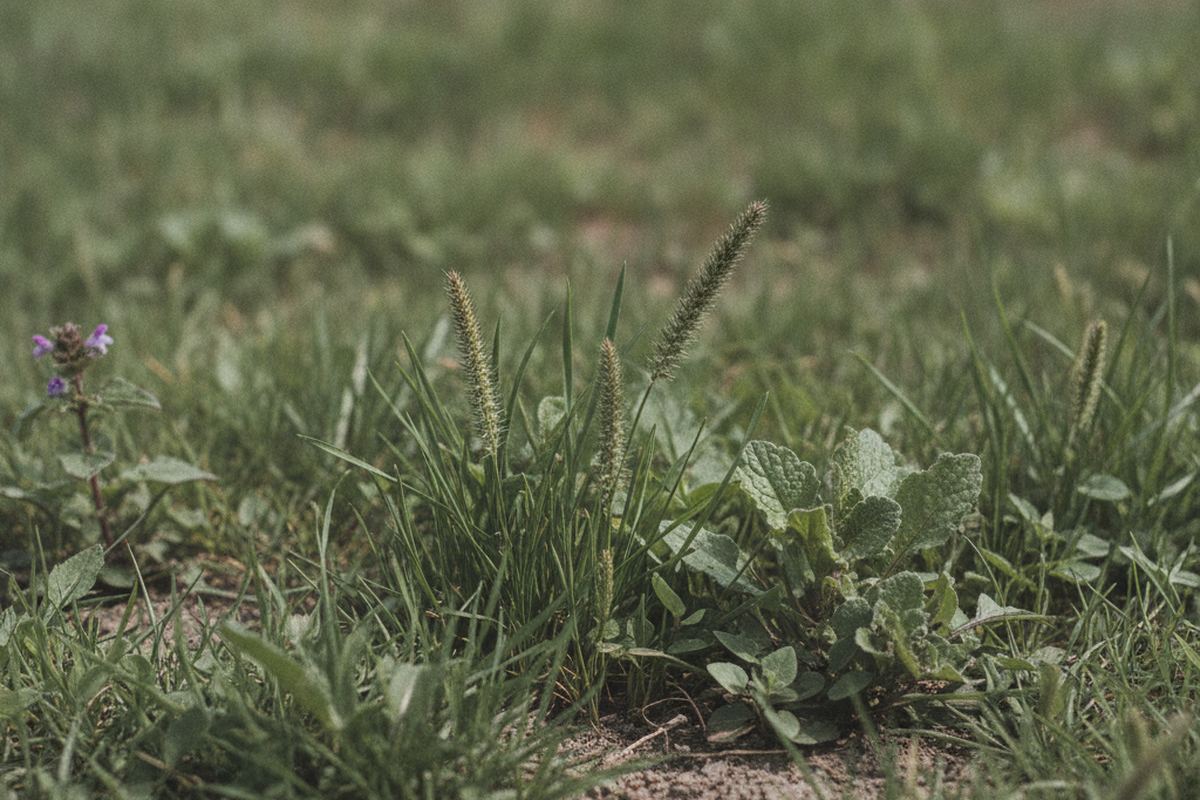
Establishing a lush, healthy lawn from seed is a rewarding process, but it often comes with the unwelcome appearance of weeds. Many homeowners instinctively reach for weed control products, only to discover that common solutions like pre-emergent herbicides can be detrimental to new grass. Understanding the delicate balance between nurturing young seedlings and managing weed pressure is crucial for success. This guide will clarify why certain weed control methods are incompatible with new grass seed and offer effective strategies for a weed-free start.
The Pre-Emergent Problem: Suppressing All Seeds
Pre-emergent herbicides work by forming a chemical barrier in the soil that inhibits seed germination. They target the cellular division process in germinating seeds, preventing them from developing roots and shoots. While highly effective at stopping weed seeds, this mechanism does not differentiate between desirable grass seeds and undesirable weed seeds. Applying a pre-emergent before or shortly after seeding will prevent your new grass from sprouting entirely, rendering your efforts and investment in seed futile.
The active ingredients in pre-emergents, such as prodiamine or dithiopyr, persist in the soil for several weeks or even months. This residual effect means that even if you apply grass seed after a pre-emergent, the herbicide may still be active enough to prevent germination. Always check the product label for specific re-seeding intervals, which can range from a few weeks to six months or longer, depending on the chemical and application rate. Adhering to these guidelines is critical to avoid wasted seed and effort.
Post-Emergent Limitations: Protecting Young Grass
Once grass seedlings have emerged, post-emergent herbicides become a consideration, but their use is also constrained by the grass's maturity. Most post-emergent weed killers are designed for established turf and can be too harsh for fragile new grass. Young seedlings lack the robust root systems and protective waxy layers of mature plants, making them highly susceptible to chemical burn and damage from herbicides. Applying these products too early can severely stunt growth or even kill newly germinated grass.
The general recommendation is to wait until new grass has been mowed at least two or three times, or has reached a certain level of maturity, typically indicated by a specific number of leaves per plant (e.g., 3-4 leaves). This usually translates to a waiting period of 6 to 8 weeks after germination. Always consult the herbicide label for the minimum waiting period for new seedings, as this can vary significantly by product and grass type. Using an inappropriate herbicide or applying it too soon can compromise your entire seeding project.
Weed Pressure in New Seedings: An Unavoidable Reality
Weeds are an almost inevitable part of seeding a new lawn or overseeding an existing one. The very conditions that favor grass seed germination – warm soil, consistent moisture, and sunlight – also create an ideal environment for weed seeds, which are often abundant in soil. Disturbance of the soil during preparation can bring dormant weed seeds to the surface, where they can readily germinate alongside your new grass. It is more realistic to expect some weed growth rather than a perfectly weed-free new lawn.
Common culprits include crabgrass, annual bluegrass, and various broadleaf weeds like clover and dandelions. These weeds often grow faster than desirable grass, competing for water, nutrients, and sunlight. While their presence can be frustrating, a certain level of weed competition is normal. The focus during the initial establishment phase should be on nurturing the new grass, as a dense, healthy turf is the best long-term defense against weeds.
Get the exact pounds of seed you need for your lawn size, grass type, and overseeding vs new lawn.
Open the Lawn Seed CalculatorManual Weed Control: The Safest Immediate Option
For weed issues in new grass, manual removal is often the safest and most effective immediate strategy. Hand-pulling weeds, especially broadleaf varieties, minimizes the risk of harming young grass. This method is particularly feasible for smaller areas or when weed density is not overwhelming. Ensure the soil is moist to make pulling easier and reduce disturbance to the surrounding grass roots. Manual removal also prevents weeds from going to seed, reducing future weed populations.
Consider using a weeding tool designed to extract roots, which is particularly helpful for tap-rooted weeds like dandelions. For larger areas or very numerous weeds, this method may be impractical. In such cases, prioritize removing the largest and most competitive weeds. Remember that even a few weeds producing seeds can lead to a significant problem in subsequent seasons, so early intervention, even if manual, is beneficial.
Mowing Strategy: Suppressing Weeds and Strengthening Grass
Proper mowing is a powerful tool for both weed control and promoting healthy grass development in new seedings. Once your new grass reaches a height of approximately 3 to 4 inches, you can begin mowing. Set your mower to the highest recommended setting for your grass type (typically 2.5 to 3.5 inches). This height allows the grass blades to photosynthesize effectively, building strength, while also shading the soil surface. Shading helps to suppress the germination of new weed seeds by depriving them of light.
Regular mowing at this higher setting also helps to decapitate many annual weeds, preventing them from flowering and setting seed. This practice significantly reduces the number of weed seeds that will be available to germinate in future seasons. Avoid cutting more than one-third of the grass blade at any single mowing, as this can stress young plants. Consistent, high mowing encourages deeper root growth in your new grass, making it more resilient to stress and better equipped to outcompete weeds.
Long-Term Weed Prevention Through Healthy Turf
The most effective long-term weed control strategy is to cultivate a dense, healthy lawn. A thick stand of grass naturally crowds out weeds by monopolizing light, water, and nutrients. This means focusing on proper cultural practices from the outset: selecting the right grass seed for your climate and soil, ensuring adequate soil preparation, providing consistent and appropriate watering, and fertilizing according to soil test recommendations. A strong turf canopy leaves little room for weeds to establish.
Once your lawn is fully established (typically after a full growing season, around 6-12 months), you can then consider integrating pre-emergent herbicides into your annual lawn care program to prevent future weed outbreaks. For example, a spring application of pre-emergent in 2026 can effectively prevent crabgrass and other summer annual weeds from germinating. By prioritizing the health and density of your new grass, you build a foundation that naturally resists weed invasion, reducing the need for intensive chemical interventions later on.
Watering and Fertilization for a Strong Start
Correct watering is paramount for new grass seed. Keep the top inch or two of soil consistently moist, but not waterlogged, until germination. This often means light, frequent watering sessions throughout the day. Once seedlings emerge, gradually reduce the frequency and increase the duration of watering to encourage deeper root growth. Overwatering can lead to fungal diseases and can also bring weed seeds closer to the surface, while underwatering will cause seedlings to dry out and die.
Fertilization also plays a critical role in establishing a robust lawn. A starter fertilizer, specifically formulated for new grass, provides the necessary nutrients, particularly phosphorus, to encourage strong root development. Apply a starter fertilizer at the time of seeding, following product instructions carefully. Avoid using high-nitrogen fertilizers on new seedlings, as too much nitrogen can promote excessive top growth at the expense of root development, making the young grass more vulnerable to stress and disease. A well-fed lawn competes better against weeds.
The bottom line
Successfully establishing a new lawn requires patience and a strategic approach to weed management. By understanding the limitations of herbicides on young grass and prioritizing cultural practices like appropriate mowing, watering, and fertilization, you can foster a dense, healthy turf. Focus on nurturing your new grass through its vulnerable early stages, and it will naturally become your best defense against future weed infestations.
Get more guidance like this in your inbox
Weekly emergency-fund tactics, milestone checklists, and the next article — delivered free.
Run your own number
Get a personalized emergency fund target based on your income, expenses, and job stability.
Open the calculator