What Breaks First in a House (Lifespan by System)
Expected lifespan for every major home system — roof, HVAC, water heater, appliances — with 2026 replacement costs.
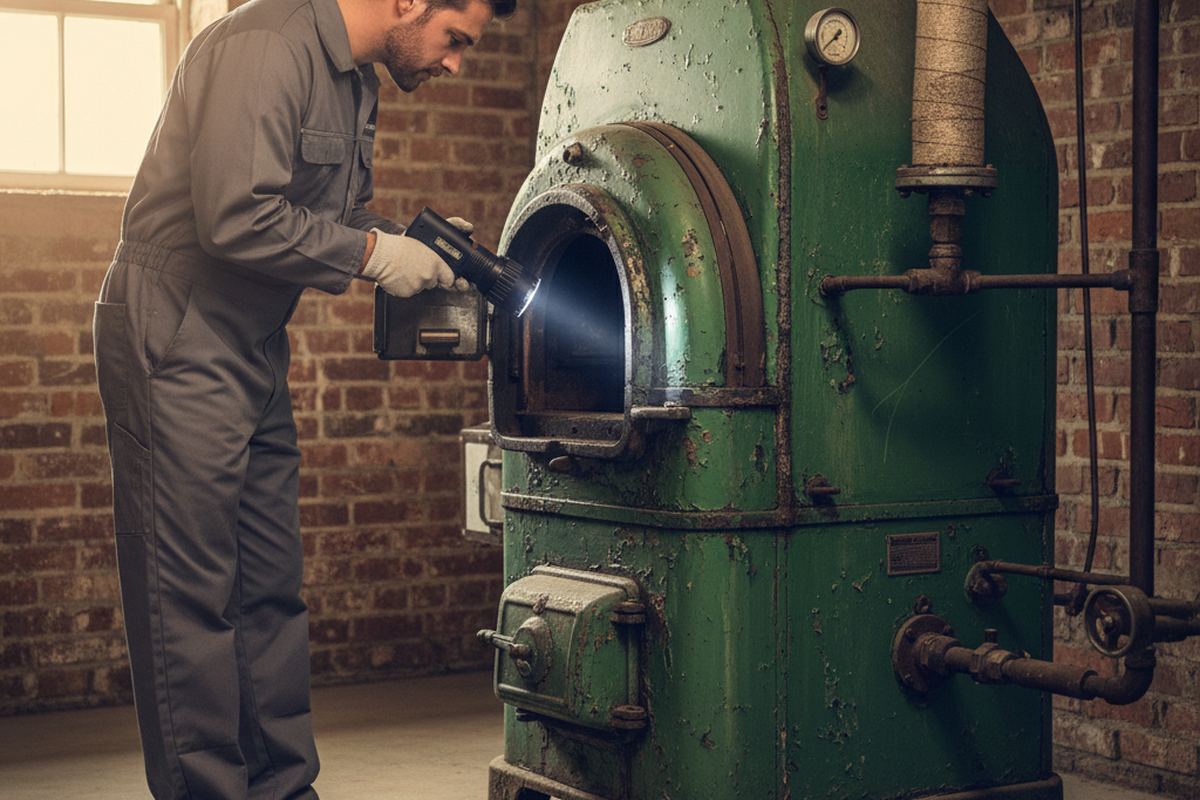
Understanding the lifespan of your home's major systems is crucial for financial planning and avoiding unexpected expenses. While no one can predict exact failure dates, knowing the typical longevity of components like your roof, HVAC, and water heater allows you to budget proactively for their eventual replacement. This foresight not only saves you from scrambling for funds but also helps maintain your home's value and comfort. Let's explore the expected lifespans of key home systems and what to consider for their upkeep.
Roofing: Your Home's Primary Shield
Your roof is your home's first line of defense against the elements, and its lifespan varies significantly based on material. Asphalt shingle roofs, the most common type, typically last between 20 and 30 years. Architectural shingles, a heavier variant, often extend that to 25-40 years. Metal roofs offer superior durability, frequently lasting 40-70 years, while tile or slate roofs can exceed 50-100 years, albeit with a higher initial investment.
Beyond material, factors like climate, installation quality, and regular maintenance play a substantial role. Extreme weather, poor attic ventilation, or neglecting minor repairs can shorten a roof's life. A full asphalt shingle replacement in 2026 for a typical 2,000 square foot home might range from $9,000 to $18,000, while a metal roof could cost $20,000 to $45,000 or more depending on material and complexity.
HVAC Systems: Maintaining Indoor Comfort
Heating, Ventilation, and Air Conditioning (HVAC) systems are vital for indoor comfort. A central air conditioning unit generally lasts 10-15 years, while a furnace has a slightly longer lifespan, typically 15-20 years. Heat pumps, which provide both heating and cooling, usually fall in the 10-15 year range. Regular maintenance, such as changing filters and annual professional servicing, can significantly extend these lifespans.
Ignoring routine upkeep can drastically reduce efficiency and lead to premature failure. A new central AC unit installation in 2026 could cost between $5,000 and $12,000, including labor. A new furnace might range from $3,500 to $7,500. Replacing an entire HVAC system (furnace and AC) could be $7,000 to $16,000 or more, depending on system size, ductwork modifications, and brand.
Water Heaters: Hot Water on Demand
Water heaters work hard daily and have a predictable lifespan. Conventional tank-style water heaters generally last 8-12 years. Tankless water heaters, while more expensive upfront, can last 20 years or more due to their design and the fact that they don't store water, reducing corrosion. The quality of your water and proper anode rod replacement can influence a tank's longevity.
Flushing your tank annually to remove sediment is a simple maintenance task that can extend its life. Water heater replacement costs in 2026 can range from $1,200 to $2,500 for a conventional tank unit, including installation. A tankless water heater installation, which often requires gas line or electrical upgrades, could cost $3,000 to $6,000 or more.
See what to set aside every month for home maintenance — with the 1% and $1/sq ft rules and age adjustments.
Open the Home Maintenance Budget CalculatorMajor Appliances: Kitchen and Laundry Essentials
Kitchen and laundry appliances are integral to daily life, and their lifespans vary by type and usage. Refrigerators typically last 10-15 years, dishwashers 9-10 years, and ranges/ovens 13-15 years. Washing machines and dryers generally last 10-13 years. High-end models sometimes offer slightly longer lifespans, but consistent use and proper care are key.
Regular cleaning, avoiding overloading, and prompt repair of minor issues can help these appliances reach their maximum life. Replacing a refrigerator in 2026 might cost $1,000 to $3,000, a dishwasher $600 to $1,500, and a washing machine $800 to $1,800. These figures exclude installation for built-in appliances or haul-away fees.
Plumbing and Electrical Systems: Hidden Infrastructure
The underlying plumbing and electrical systems are often out of sight but critical. Modern plumbing (PEX or copper pipes) can last 50-70 years, while older galvanized steel pipes might only last 20-50 years before corrosion becomes a significant issue. Electrical wiring (Romex or similar) can last 50-70 years, but components like circuit breakers may need replacing after 30-40 years.
The primary concern with these systems is not typical wear and tear but rather outdated materials or code compliance issues, especially in older homes. Replacing a main electrical panel in 2026 could cost $1,500 to $4,000. Repiping a small section of a home might be $1,000 to $3,000, while a full home repipe could range from $5,000 to $15,000 or more.
- PEX piping: 50+ years
- Copper piping: 50-70 years
- Galvanized steel piping: 20-50 years
- Electrical wiring: 50-70 years
- Circuit breakers: 30-40 years
Windows and Doors: Efficiency and Security
Windows and exterior doors contribute significantly to a home's energy efficiency, security, and curb appeal. Modern vinyl windows can last 20-40 years, while wood or fiberglass windows may last 30-50 years with proper maintenance. Exterior doors, depending on material (steel, fiberglass, wood), typically last 20-30 years, though the frame and hardware can last longer.
Signs of failure include drafts, condensation between panes, and difficulty operating. Replacing a single standard double-hung window in 2026 might cost $500 to $1,200, including installation. A full home window replacement could range from $8,000 to $25,000. Replacing an exterior entry door could be $800 to $3,000, depending on material and style.
The bottom line
Understanding the typical lifespans of your home's key systems empowers you to budget for future repairs and replacements. Proactive maintenance can extend these lifespans, but eventual replacement is inevitable. By regularly assessing your home's condition and setting aside funds, you can manage these significant expenses without financial strain.
Get more guidance like this in your inbox
Weekly emergency-fund tactics, milestone checklists, and the next article — delivered free.
Run your own number
Get a personalized emergency fund target based on your income, expenses, and job stability.
Open the calculator