Fall and Winter Gardens: 2026 Cost and Yield
The cost and reward of extending your growing season into fall and winter.
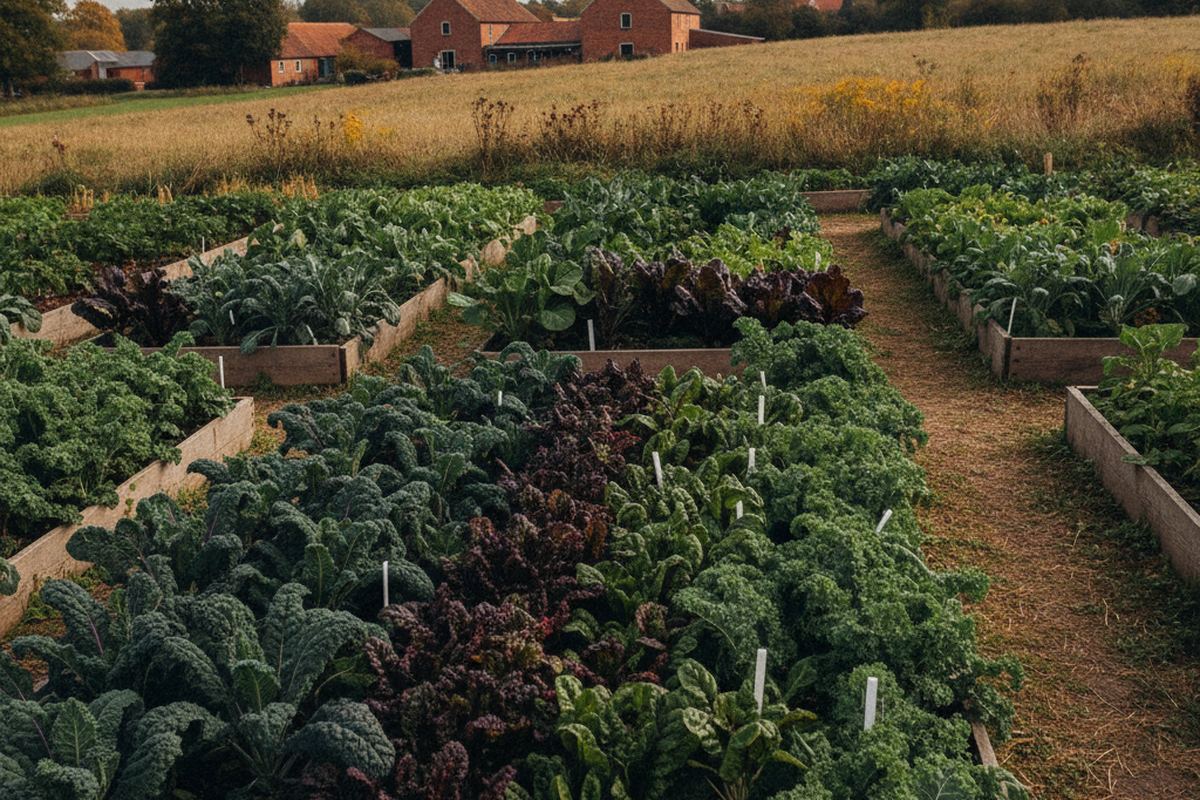
Extending your gardening season into the cooler months can transform your backyard into a year-round source of fresh produce. Fall and winter gardens offer not only a continuous harvest but also a unique opportunity to cultivate hardy vegetables that thrive in crisp temperatures. Understanding the potential costs and yields involved is crucial for homeowners looking to maximize their garden's productivity and enjoy the benefits of homegrown food even when the weather turns cold. This guide explores the financial and practical aspects of cool-season gardening for 2026.
Initial Setup Costs for a Cool-Season Garden
Starting a fall or winter garden involves some initial investments, primarily for season extension tools. Row covers, made from spun-bonded polypropylene, typically cost between $20 and $50 for a 10x20 foot section, offering protection down to 28°F. Cold frames, which are unheated mini-greenhouses, can range from $50 for a DIY kit to $300 for a pre-assembled unit. For larger setups, a small hoop house or low tunnel might cost $150 to $500 in materials. These structures are essential for insulating plants against frost and maintaining warmer soil temperatures.
Beyond structural protection, other initial costs include soil amendments like compost or aged manure, which can run $5 to $15 per cubic foot. Seeds for cool-season crops are generally inexpensive, often $2 to $5 per packet. If you opt for starter plants, expect to pay $3 to $8 per six-pack. Tools such as a soil thermometer ($10-$25) and a watering can or drip irrigation components ($30-$100) are also important to consider for efficient cool-season cultivation. Total initial setup for a modest 100 sq ft fall/winter garden might range from $100 to $400 depending on the chosen protection methods.
Ongoing Expenses and Maintenance
Once your cool-season garden is established, ongoing expenses are generally low compared to the initial setup. Water usage tends to decrease in cooler weather, but consistent moisture is still vital, especially for plants under covers. Fertilization needs are less frequent than for summer crops, but a light application of organic fertilizer, costing $10 to $25 per bag, might be beneficial mid-season. Pest and disease control are often reduced in cooler temperatures, minimizing the need for costly treatments. However, slugs and snails can still be an issue, requiring occasional organic baits that cost $10 to $20.
Labor is another ongoing consideration. While the garden requires less frequent watering, tasks like monitoring temperatures, adjusting row covers for ventilation, and harvesting are regular commitments. For example, on a sunny winter day, cold frames might need to be propped open to prevent overheating, and then closed again before nightfall. Protecting plants from heavy snow or high winds might also require occasional adjustments to covers. The primary ongoing cost is time, but the financial outlay for a well-maintained cool-season garden is typically minimal after the initial investment.
Typical Yields and Savings Potential
A well-managed fall and winter garden can produce a surprising bounty. For a 100 sq ft plot, you might harvest 20-40 pounds of leafy greens like spinach, kale, and lettuce over several months. Root vegetables such as carrots and radishes can yield 15-30 pounds, while brassicas like broccoli and cabbage could add another 10-20 pounds. These yields can significantly offset grocery bills. For example, if you grow 30 pounds of kale at an average market price of $3.50/pound, you save $105. Similarly, 20 pounds of carrots at $2.00/pound saves $40. Total potential savings over a fall/winter season could range from $150 to $400, depending on crop selection and success rate.
Beyond monetary savings, the quality and freshness of homegrown produce are invaluable. Many cool-season vegetables, such as parsnips and kale, develop a sweeter flavor after a few frosts. The convenience of stepping outside for fresh ingredients, even in winter, also adds value. While the specific yields depend on your climate, plant varieties, and gardening skill, extending your harvest season can provide a consistent supply of nutritious food, reducing trips to the grocery store and ensuring a higher quality diet. The yield-to-cost ratio often improves in subsequent years as initial setup costs are amortized.
Plan a real garden — bed size, soil, mulch, and grocery-equivalent yield.
Open the Garden PlannerChoosing the Right Crops for Cooler Weather
Selecting appropriate crops is paramount for a successful fall and winter garden. Hardier options include spinach, kale, collards, Swiss chard, and various types of lettuce, which can often tolerate light frosts. Root vegetables like carrots, beets, radishes, and parsnips thrive in cooler soil and can even be left in the ground until needed in some climates. Broccoli, cabbage, and Brussels sprouts are also excellent choices, often improving in flavor after cold exposure. It's important to choose varieties specifically bred for cold hardiness.
Consider planting dates carefully. Many fall crops need to be planted in late summer or early fall to mature before the deepest cold sets in. For example, spinach can be planted up to 6-8 weeks before the first hard frost. For winter harvests, succession planting smaller batches of greens every few weeks can ensure a continuous supply. Researching your specific USDA plant hardiness zone and average frost dates will help you fine-tune your planting schedule and maximize your harvest potential.
Optimizing Your Garden for Cold Protection
Effective cold protection is key to extending your growing season. Row covers are versatile and can be draped directly over plants or supported by hoops. For better insulation, use heavier-grade row covers (1.5-2 oz/sq yd). Cold frames offer more robust protection and are ideal for smaller plots or specific crops. Orienting cold frames to face south maximizes sun exposure and heat absorption. For larger areas, low tunnels or mini hoop houses provide significant protection and allow for easier access to plants.
Beyond physical covers, consider passive heat retention strategies. Dark-colored mulches can absorb and radiate heat back into the soil. Placing water-filled jugs or barrels inside cold frames or hoop houses can act as thermal mass, absorbing heat during the day and releasing it slowly at night. Ensuring good drainage is also crucial, as waterlogged soil is colder and more detrimental to plant health. Proper ventilation on warmer days prevents fungal diseases and overheating under covers, which is as important as protecting from cold.
Long-Term Benefits of Year-Round Gardening
Beyond immediate cost savings, a fall and winter garden offers several long-term advantages. It improves soil health by keeping it actively cultivated and amended, reducing the need for extensive soil preparation each spring. Continuous gardening can also help manage pests and diseases by breaking their life cycles, leading to a more resilient ecosystem over time. The practice of growing your own food year-round fosters a deeper connection to nature and seasonal eating, promoting a healthier lifestyle.
The skills acquired through cool-season gardening, such as understanding microclimates and season extension techniques, are valuable assets for any homeowner. As you gain experience, you'll be able to fine-tune your methods and potentially expand your garden's capacity. The satisfaction of harvesting fresh, nutritious produce from your own backyard, even in the depths of winter, provides a sense of self-sufficiency and well-being that extends far beyond the financial balance sheet.
Budgeting for Your Fall and Winter Garden
To effectively plan your fall and winter garden, create a simple budget. Start by listing all potential initial costs: protective structures (row covers, cold frames), soil amendments, seeds or starts, and any new tools. For example, a basic setup might include two 20-foot row covers ($80), two bags of compost ($30), and five seed packets ($15), totaling $125. Then, estimate ongoing costs like occasional fertilizer or pest control, perhaps $20-$40 per season. Remember to factor in your time investment as well, as labor is a significant, albeit non-monetary, contribution.
Comparing these costs to your potential grocery savings can help you visualize the financial return. If your garden yields $200 worth of produce in its first cool season with a $125 initial investment and $30 in ongoing costs, you've essentially spent $155 to save $200, resulting in a net gain of $45 plus the intangible benefits of freshness and quality. As you reuse structures and tools in subsequent years, the cost-to-benefit ratio improves significantly, making cool-season gardening a rewarding and increasingly economical endeavor.
The bottom line
Embracing fall and winter gardening is a strategic move for any homeowner seeking to enhance their food security and enjoy fresh produce year-round. While there are initial investments and ongoing commitments, the yields and satisfaction often outweigh the costs. By carefully planning your crops, implementing effective cold protection, and managing your budget, you can cultivate a thriving cool-season garden that provides both sustenance and joy.
Get more guidance like this in your inbox
Weekly emergency-fund tactics, milestone checklists, and the next article — delivered free.
Run your own number
Get a personalized emergency fund target based on your income, expenses, and job stability.
Open the calculator