The Worst Renovations for Resale in 2026
The renovation choices that quietly cost you money at resale.
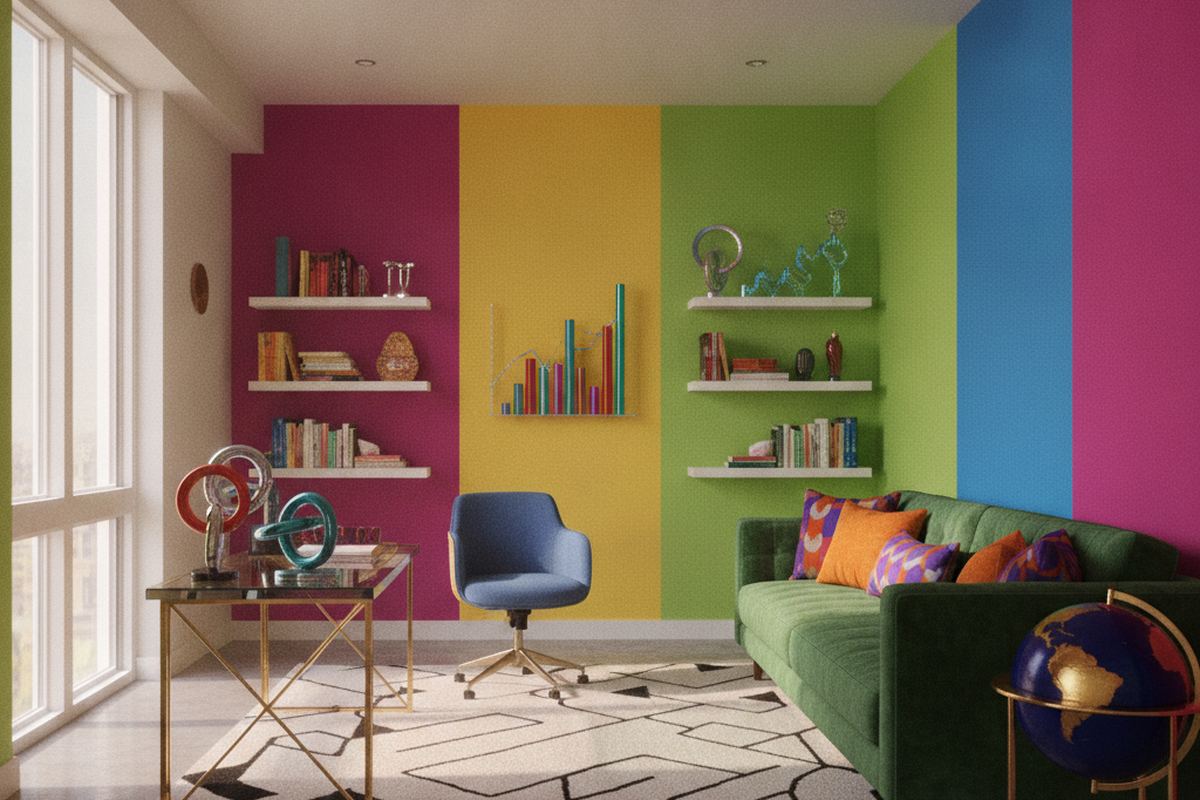
Home renovations can significantly enhance your living space, but not all projects yield a positive return on investment (ROI) when it comes to resale. Many homeowners undertake improvements with the expectation of recouping costs and increasing their property's value. However, certain renovations consistently underperform, potentially costing you money in the long run. Understanding which projects offer the least appeal to future buyers can help you make more informed decisions about where to invest your renovation budget.
Overly Personalized or Niche Upgrades
While a home theater or a custom wine cellar might be your dream, these highly specialized additions often fail to resonate with a broad range of potential buyers. What one person considers an essential luxury, another might see as an expensive conversion project. The cost of installing advanced audio-visual systems, soundproofing, or climate-controlled storage can be substantial, often ranging from $15,000 to $50,000 or more, yet the likelihood of recouping even half of that investment is low.
When selling, buyers typically look for universal appeal and functionality. Features that cater to a very specific lifestyle can narrow your pool of interested parties, making your home harder to sell and potentially requiring price reductions. Instead of investing in highly personalized features, consider upgrades that offer broader appeal, such as updated kitchens or bathrooms, which consistently show better returns.
Swimming Pools: High Cost, Low Return
A swimming pool might seem like an attractive amenity, especially in warmer climates, but it rarely adds significant value to a home's resale price. The installation cost for an in-ground pool can range from $40,000 to $80,000, depending on size, materials, and features. Beyond the initial outlay, pools require ongoing maintenance, chemicals, and insurance, which can deter many prospective buyers.
Many buyers view a pool as a liability rather than an asset due to the associated costs, potential safety concerns, and the time commitment for upkeep. Families with young children or individuals seeking a low-maintenance lifestyle may actively avoid homes with pools. While a pool might appeal to a niche market, its high cost and ongoing expenses generally lead to a poor ROI at resale.
Expensive Landscaping Beyond Curb Appeal
Curb appeal is crucial for first impressions, and basic landscaping like well-maintained lawns and attractive plantings can boost a home's value. However, overly elaborate or high-maintenance landscaping projects, such as intricate water features, extensive hardscaping, or exotic plant collections, often provide diminishing returns. Investing tens of thousands of dollars in a complex garden design may not translate into a proportional increase in sale price.
Buyers are often looking for outdoor spaces that are easy to maintain and offer functional use. A beautifully designed but labor-intensive garden can be perceived as a chore rather than a benefit. Focus on clean, simple, and low-maintenance landscaping that enhances the home's exterior without burdening future owners with excessive upkeep or specialized knowledge.
See the real resale ROI on your renovation — before you swing a hammer.
Open the Renovation ROI CalculatorGarage Conversions to Living Space
Converting a garage into additional living space, such as an extra bedroom, office, or family room, often seems like a good way to add square footage. While it does increase conditioned living space, it comes at the cost of losing valuable garage functionality. Many buyers highly value garage space for parking, storage, or as a workshop. The cost of a conversion, including insulation, flooring, windows, and HVAC, can run from $10,000 to $30,000.
The loss of a dedicated garage can be a significant drawback for many buyers, especially in areas where street parking is limited or weather conditions necessitate covered parking. The perceived value of a garage often outweighs the added square footage from a conversion, leading to a negative impact on resale value. If additional living space is needed, consider an addition that doesn't sacrifice essential features.
High-End, Commercial-Grade Appliances
Upgrading kitchen appliances is generally a smart move, but there's a point of diminishing returns. Installing commercial-grade ranges, oversized refrigerators, or professional-level espresso machines, which can cost upwards of $10,000 to $30,000 for a full suite, rarely provides a dollar-for-dollar return at resale. Most buyers appreciate modern, functional, and aesthetically pleasing appliances, but few are willing to pay a premium for features typically found in a restaurant kitchen.
While these appliances might be a joy for a passionate home chef, the average buyer may not recognize or value the significant investment. They may also be concerned about the higher maintenance costs or specialized repair needs for such equipment. Opt for mid-to-high-range appliances that offer a good balance of quality, functionality, and broad appeal to maximize your return.
Extensive Remodeling Without Addressing Core Issues
Sometimes homeowners focus on cosmetic upgrades while neglecting more fundamental issues like an aging roof, outdated electrical systems, or inefficient plumbing. For example, spending $25,000 on a luxurious bathroom remodel while the HVAC system is 20 years old and the windows are single-pane can be a mistake. Buyers are often more concerned with the structural integrity and efficiency of a home than with superficial aesthetics.
Addressing critical maintenance items and improving energy efficiency typically provides a better ROI than purely cosmetic renovations, especially if these core issues would be flagged during a home inspection. Prioritizing necessary repairs and system upgrades ensures the home is sound and comfortable, which appeals to a wider range of buyers and can prevent price reductions during negotiations.
The bottom line
Thoughtful renovation choices are key to maximizing your home's value. While personal enjoyment is a valid reason for any upgrade, understanding the market's preferences can prevent costly missteps. Prioritize projects that offer broad appeal, enhance functionality, and address essential home maintenance to ensure your investments translate into a stronger position at resale.
Get more guidance like this in your inbox
Weekly emergency-fund tactics, milestone checklists, and the next article — delivered free.
Run your own number
Get a personalized emergency fund target based on your income, expenses, and job stability.
Open the calculator