Average Net Worth by Age in 2026: Where Do You Stand?
Median and average net worth by age bracket, what drives the differences, and how to interpret the numbers without falling into comparison traps.
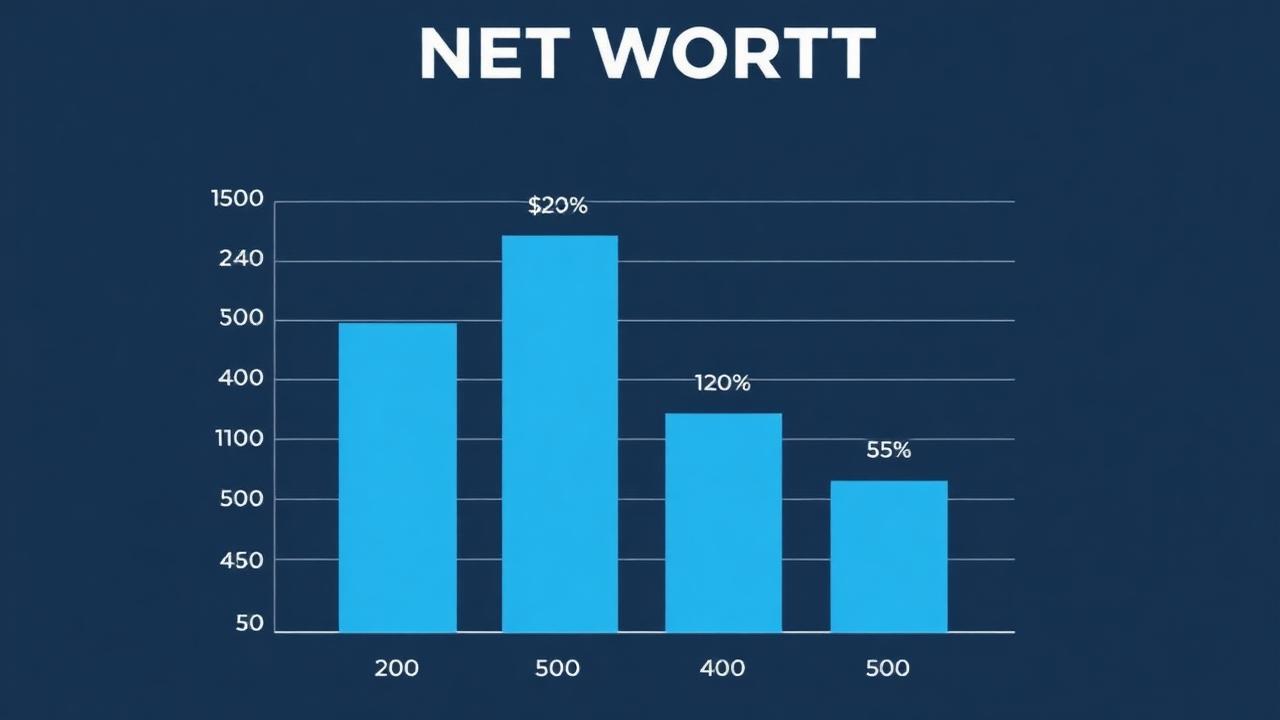
The Federal Reserve's Survey of Consumer Finances is the cleanest data we have on American household net worth. The numbers tell a familiar story: net worth climbs steadily through working years, peaks in late sixties, and slowly declines in retirement. But the gap between median and average is what reveals how unevenly wealth is distributed — and what realistic targets actually look like.
Median vs. average — and why both matter
Average net worth is heavily skewed by the top 1%. Median is the middle person — half above, half below. For most households, median is the honest benchmark. The average net worth of Americans in their forties is over $500,000, but the median is about $135,000. The first number includes a handful of multi-millionaires; the second represents real life.
Net worth by age bracket (2026 estimates)
- Under 35: median $39,000 — average $183,000
- 35–44: median $135,000 — average $549,000
- 45–54: median $247,000 — average $975,000
- 55–64: median $364,000 — average $1.56 million
- 65–74: median $410,000 — average $1.79 million
- 75+: median $335,000 — average $1.62 million
Why the gaps widen with age
Three forces compound over decades: home equity accumulates as mortgages pay down, retirement accounts grow through both contributions and market returns, and high earners pull steadily further from the median. A 25-year-old's choices about saving rate and lifestyle creep have outsized effects on which bracket they land in at 55.
See how your net worth stacks up by age and income, with a personalized benchmark and a growth path to your next milestone.
Run Your Age BenchmarkDon't take the median as a goal
Median net worth includes households with no retirement savings, no home equity, and chronic debt. Beating the median is a low bar. The more useful benchmark is your own age × income / 10 target, which forces the calculation to account for what you actually earn.
How to use age benchmarks productively
Use them once a year as a checkpoint, not a daily scoreboard. If you're 20% below your age benchmark, focus on raising your savings rate or paying down high-interest debt. If you're 50% above, ask whether your asset allocation matches your timeline — wealth at 35 should look very different from wealth at 60.
Get more guidance like this in your inbox
Weekly emergency-fund tactics, milestone checklists, and the next article — delivered free.
Track your net worth
Get an instant snapshot of your assets, liabilities, and age-based benchmark — with monthly progress tracking.
Open the Net Worth Tracker