Bathroom Tile Cost 2026 (Floor, Wall, and Shower)
Full 2026 pricing for bathroom tile — material plus labor, with a small vs primary bath example.
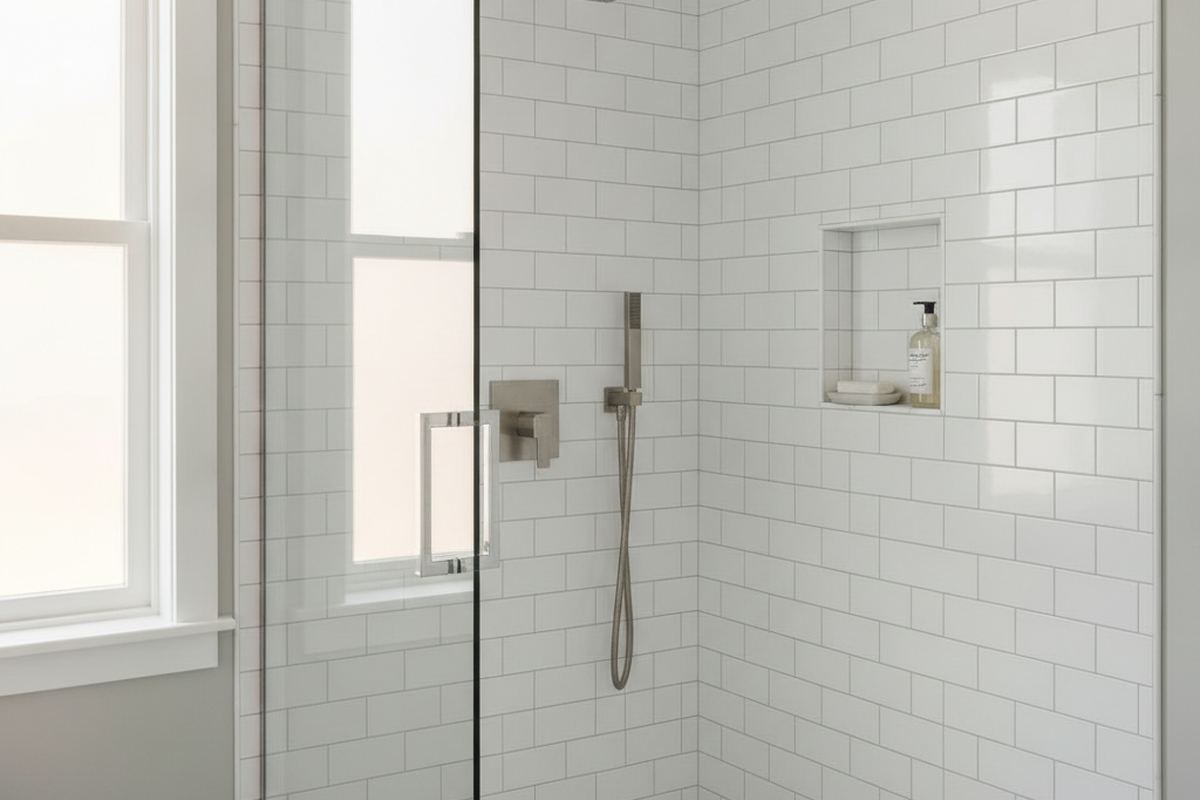
Planning a bathroom tile project in 2026 involves understanding various costs, from selecting the right material to hiring skilled labor. Whether you are refreshing a small powder room or undertaking a complete primary bathroom remodel, budgeting accurately is crucial for a smooth process. This guide breaks down the typical expenses you can expect for floor, wall, and shower tiling, helping you make informed decisions. We will explore material prices, labor rates, and other factors that influence your total project cost, providing a clear financial roadmap for your renovation.
Understanding Material Costs Per Square Foot
Tile material costs in 2026 vary significantly based on type and quality. Common ceramic or porcelain tiles for floors and walls typically range from $2 to $15 per square foot. These options offer durability and a wide range of styles, making them popular choices for most bathroom applications. For instance, a basic 12x24 inch porcelain tile might cost around $4 per square foot, while a more intricate pattern could be closer to $10 per square foot.
More premium materials, such as natural stone (marble, granite, travertine) or glass tiles, can push material costs higher, often ranging from $10 to $50 per square foot, or even more for custom designs. Mosaic tiles, frequently used for accent walls or shower floors, generally fall into the $8 to $30 per square foot range. When budgeting, consider not only the tile itself but also a 10-15% overage for cuts, breakage, and future repairs. This small buffer can prevent delays and additional trips to the store.
- Ceramic/Porcelain: $2 - $15 per sq ft
- Natural Stone: $10 - $50+ per sq ft
- Glass/Mosaic: $8 - $30 per sq ft
Estimating Professional Installation Labor
Labor costs are a substantial portion of any tiling project, and in 2026, professional tile installers typically charge between $8 to $25 per square foot. This range depends on several factors, including your geographic location, the complexity of the tile pattern, and the experience level of the contractor. A straightforward floor installation with large format tiles will generally be on the lower end of this spectrum, while intricate designs, small mosaic tiles, or installations requiring extensive cuts will command higher rates.
Beyond the square footage rate, some contractors may charge additional fees for specific tasks. These can include demolition and removal of old tile (typically $2-$5 per square foot), subfloor preparation, or specialized work like creating a custom shower pan. Always obtain multiple quotes from licensed and insured professionals, ensuring each quote details the scope of work and includes all associated costs. A clear contract protects both you and the installer.
Additional Materials and Supplies
Beyond the tiles themselves, several other materials are necessary for a successful installation. Mortar, grout, and sealer are fundamental. Mortar, used to adhere tiles to the surface, typically costs $0.50 to $1.50 per square foot. Grout, which fills the spaces between tiles, runs about $0.20 to $0.80 per square foot, with epoxy grouts being on the higher end due to their superior stain resistance and durability. Sealer, essential for natural stone and often recommended for grout, adds another $0.10 to $0.30 per square foot.
Other crucial supplies include backer board (cement board or waterproof membrane) for shower walls and sometimes floors, which can add $1 to $3 per square foot for materials. Trim pieces, such as bullnose or schluter profiles, improve aesthetics and protect edges, adding $3 to $10 per linear foot. Consider also any necessary waterproofing membranes for showers, which can range from $1 to $4 per square foot for material, ensuring a watertight and long-lasting installation.
Calculate how many tiles you need — with pattern waste, thinset, and grout coverage included.
Open the Tile CalculatorSmall Bathroom Example: Powder Room (25 sq ft)
For a small powder room with approximately 25 square feet of floor tile, let's estimate the costs. Using mid-range porcelain tile at $5 per square foot for material, the tile itself would be $125. Adding 15% for overage brings this to about $144. Labor for installation at $12 per square foot would be $300. Mortar, grout, and sealer might collectively add another $50 to $75.
The total estimated cost for tiling a small powder room floor, including materials and labor, would therefore range from approximately $494 to $519. This estimate assumes no demolition of existing tile and a relatively straightforward installation. If you opt for more expensive materials or encounter unforeseen subfloor issues, these costs would naturally increase.
Primary Bathroom Example: Floor, Walls, and Shower (150 sq ft)
Consider a primary bathroom with 50 square feet of floor tile, 50 square feet of wall tile, and 50 square feet of shower wall tile, totaling 150 square feet. If we use a mix of mid-range porcelain for floors and walls ($6/sq ft) and slightly nicer ceramic for the shower ($8/sq ft), the material cost for tiles would be around $950 ($50*6 + 50*6 + 50*8). With a 15% overage, this becomes about $1093.
Labor for this larger, more complex project, including floor, wall, and shower areas, might average $18 per square foot due to the varied surfaces and cuts. This brings labor to $2700. Add $200-$300 for mortar, grout, and sealer, plus $150-$200 for backer board and waterproofing membrane for the shower. The total estimated cost for a primary bathroom remodel of this scope would range from approximately $4143 to $4293, not including demolition or significant subfloor repairs.
Factors Influencing Your Total Investment
Several factors can significantly impact the final cost of your bathroom tiling project. The size and layout of your bathroom are primary considerations; larger areas require more materials and labor. The type of tile chosen, as discussed, is a major cost driver, with natural stone and intricate mosaics demanding higher prices. The complexity of the installation, including diagonal patterns, numerous cuts around fixtures, or small, irregularly shaped tiles, will increase labor time and thus cost.
Geographic location also plays a role, as labor rates can vary substantially between urban and rural areas. The condition of your existing subfloor or walls may necessitate additional preparation, such as leveling or installing new backer board, which adds to both material and labor expenses. Lastly, any demolition and disposal of old tile should be factored into your budget, either as a separate charge from your contractor or as a DIY task.
DIY vs. Professional Installation Savings
Undertaking a tile project yourself can offer significant cost savings, primarily by eliminating labor charges. For a small, straightforward project like a powder room floor, DIY can reduce your total outlay by 50% or more. However, this approach requires careful planning, the right tools, and a reasonable level of skill and patience. Mistakes, such as uneven tiles, improper grout lines, or inadequate waterproofing, can be costly to fix and may compromise the longevity of your installation.
For larger, more complex projects, especially those involving shower enclosures or multiple surfaces, hiring a professional is often a more prudent choice. While the upfront cost is higher, a professional ensures a high-quality, durable, and aesthetically pleasing finish, often with guarantees for their work. They also have the specialized tools and experience to handle challenges efficiently, potentially saving you money and frustration in the long run by avoiding costly errors.
The bottom line
Careful planning and a clear understanding of potential costs are key to a successful bathroom tile project. By considering material choices, labor rates, and additional supplies, you can create a realistic budget for 2026. Whether you choose to tackle the project yourself or hire a professional, an informed approach will help you achieve the bathroom of your dreams without financial surprises.
Get more guidance like this in your inbox
Weekly emergency-fund tactics, milestone checklists, and the next article — delivered free.
Run your own number
Get a personalized emergency fund target based on your income, expenses, and job stability.
Open the calculator