Bermuda and Zoysia Sod: Choosing Warm-Season Sod
How to choose between bermuda and zoysia sod for southern lawns.
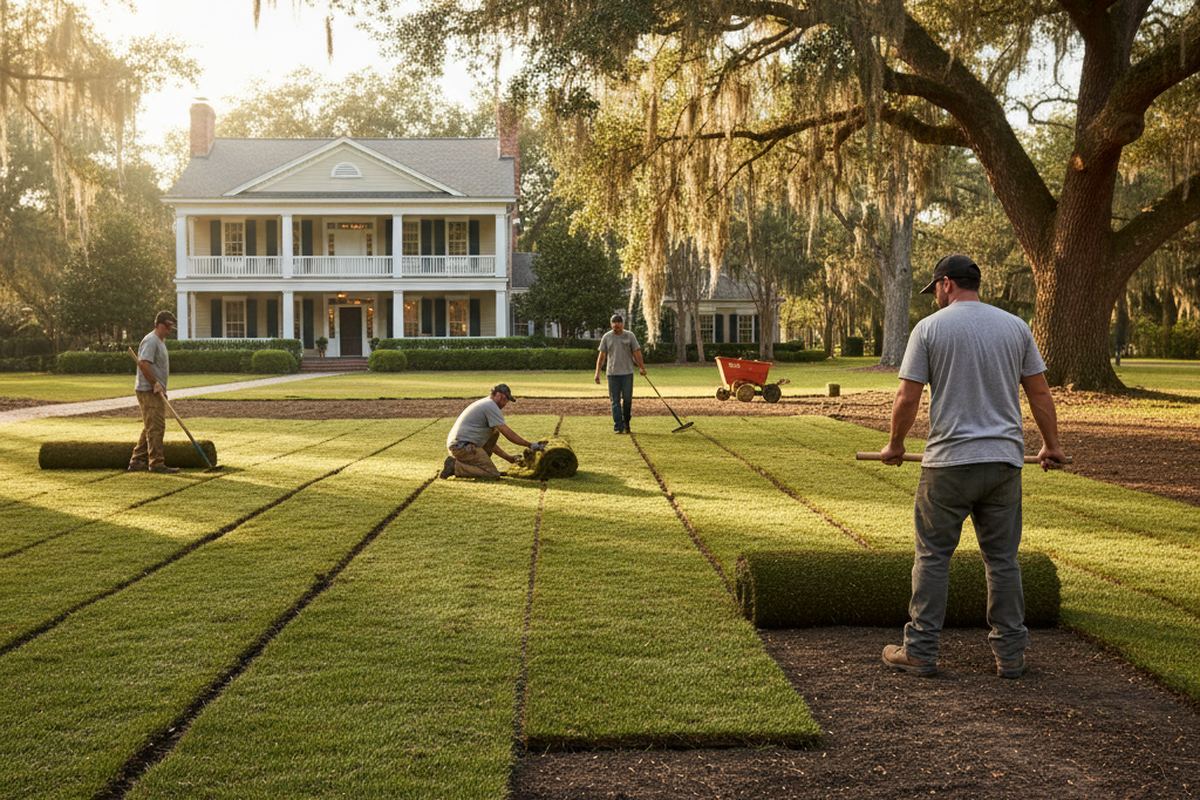
Choosing the right warm-season sod for your lawn can significantly impact its long-term health and appearance. Bermuda and Zoysia grasses are popular options for southern climates due to their heat and drought tolerance. Understanding the distinct characteristics of each can help you make an informed decision tailored to your specific needs and local conditions. This guide will explore the key differences to consider before investing in a new lawn.
Understanding Warm-Season Grasses
Warm-season grasses thrive in temperatures between 75 and 95 degrees Fahrenheit, making them ideal for the southern United States. They enter a dormant state, turning brown, when temperatures consistently fall below 55 degrees Fahrenheit. This dormancy protects the grass from cold damage, and it will green up again as temperatures rise in the spring.
Both Bermuda and Zoysia are known for their resilience in hot, sunny conditions. They require full sun exposure, typically at least six to eight hours per day, to perform optimally. Their robust root systems contribute to their drought tolerance, allowing them to maintain health with less water than cool-season varieties once established. Proper site preparation and soil amendments are crucial for successful establishment.
Bermuda Grass: Durability and Rapid Growth
Bermuda grass is highly regarded for its exceptional durability and rapid growth rate. It establishes quickly, making it a good choice for homeowners seeking a fast lawn transformation. This grass type is also very tolerant of heavy foot traffic, making it suitable for active families or areas with frequent use. It recovers quickly from damage due to its aggressive spreading nature.
However, Bermuda's aggressive growth also means it requires more frequent mowing, often once or twice a week during peak growing season, to maintain a manicured appearance. It can also be more prone to thatch buildup, which may necessitate dethatching every few years. While tolerant of some shade, it performs best in full sun and can thin out significantly in shaded areas.
- Rapid establishment and recovery
- Excellent wear tolerance
- Requires frequent mowing
- Can be invasive in garden beds
Zoysia Grass: Low Maintenance and Soft Texture
Zoysia grass is often praised for its distinct soft, fine texture and lower maintenance requirements compared to Bermuda. It grows more slowly, which translates to less frequent mowing, typically every 7-14 days. This slower growth also makes it less invasive in adjacent landscape beds. Zoysia forms a dense, carpet-like lawn that effectively chokes out most weeds.
While Zoysia is slower to establish than Bermuda, its mature turf is incredibly durable and drought-tolerant. It exhibits good shade tolerance compared to Bermuda, thriving in areas with 4-6 hours of direct sunlight. Its dense growth habit and excellent winter hardiness contribute to a very attractive and comfortable lawn surface. However, it can be more expensive to purchase initially.
- Lower mowing frequency
- Soft, dense turf
- Good shade tolerance
- Slower to establish
Estimate sod pallets, rolls, and total install cost for your yard — with delivery and prep budget.
Open the Sod CalculatorShade Tolerance and Sunlight Needs
Sunlight is a critical factor when selecting between these two grasses. Bermuda grass demands substantial direct sunlight, ideally 8 hours or more per day, to maintain its health and density. In areas with less sun, Bermuda will thin out, become leggy, and be more susceptible to disease and weed invasion. Its performance declines significantly with even moderate shade.
Zoysia grass offers better shade tolerance, making it a more versatile option for lawns with varying light conditions. While it still prefers full sun, many Zoysia varieties can perform well with 4-6 hours of direct sunlight daily. This characteristic can be a deciding factor for properties with mature trees or structures that cast significant shadows at different times of the day.
Watering and Drought Resilience
Both Bermuda and Zoysia are highly regarded for their drought tolerance, a significant advantage in water-restricted regions. Once established, both can withstand extended periods without water by entering dormancy, turning brown but recovering when moisture returns. However, proper watering during establishment is crucial for both types.
During the first few weeks after sod installation, consistent moisture is vital to encourage root development. Typically, this means watering deeply and frequently. After establishment, both grasses benefit from deep, infrequent watering to encourage deep root growth, making them more resilient to dry spells. The exact watering schedule will depend on soil type, climate, and the specific grass variety.
Maintenance and Upkeep Considerations
Maintenance routines differ notably between Bermuda and Zoysia. Bermuda's vigorous growth requires more frequent mowing, often at a lower height (around 1-2 inches) for a golf course-like appearance. It also benefits from regular fertilization to support its rapid growth and help maintain its vibrant green color throughout the growing season.
Zoysia, with its slower growth rate, requires less frequent mowing, typically at a height of 1.5-2.5 inches. Its dense growth habit naturally suppresses weeds, potentially reducing the need for herbicides. While it still benefits from fertilization, its requirements are generally less intensive than Bermuda. Both grasses may require aeration and dethatching periodically to maintain optimal health, especially in areas with heavy clay soils.
Cost and Availability of Sod
The initial cost of Bermuda and Zoysia sod can vary based on your location, the specific variety, and the quantity purchased. Generally, Bermuda sod tends to be less expensive per square foot than Zoysia sod, partly due to its faster growth and easier production. Prices can range anywhere from $0.40 to $0.75 per square foot for Bermuda and $0.60 to $1.20 per square foot for Zoysia, though these are estimates and can fluctuate.
Availability also plays a role. Both types are widely available in the southern United States, but specific premium cultivars might be easier to source in certain regions. When budgeting, consider not just the sod cost but also delivery fees, installation labor if you're not doing it yourself, and any necessary soil amendments like topsoil or compost. Always get quotes from multiple suppliers.
Making Your Final Decision
The best choice between Bermuda and Zoysia ultimately depends on your specific priorities and site conditions. If you prioritize rapid establishment, high durability for heavy traffic, and don't mind frequent mowing, Bermuda may be the ideal choice. It offers a classic southern lawn aesthetic with excellent resilience.
If you desire a softer texture, lower mowing frequency, better shade tolerance, and are willing to wait a bit longer for establishment, Zoysia could be a better fit. Consider your available sunlight, how much time you can dedicate to maintenance, and your budget when making this important decision for your lawn's future.
The bottom line
Careful consideration of sunlight exposure, desired maintenance level, and budget will guide you to the appropriate warm-season grass. Both Bermuda and Zoysia offer beautiful, resilient lawns for southern climates, each with distinct advantages. Evaluate your specific needs to ensure a successful and satisfying sod installation.
Get more guidance like this in your inbox
Weekly emergency-fund tactics, milestone checklists, and the next article — delivered free.
Run your own number
Get a personalized emergency fund target based on your income, expenses, and job stability.
Open the calculator