The Best Time to Install Sod (by Region)
Ideal sod install months by US region for cool and warm-season varieties.
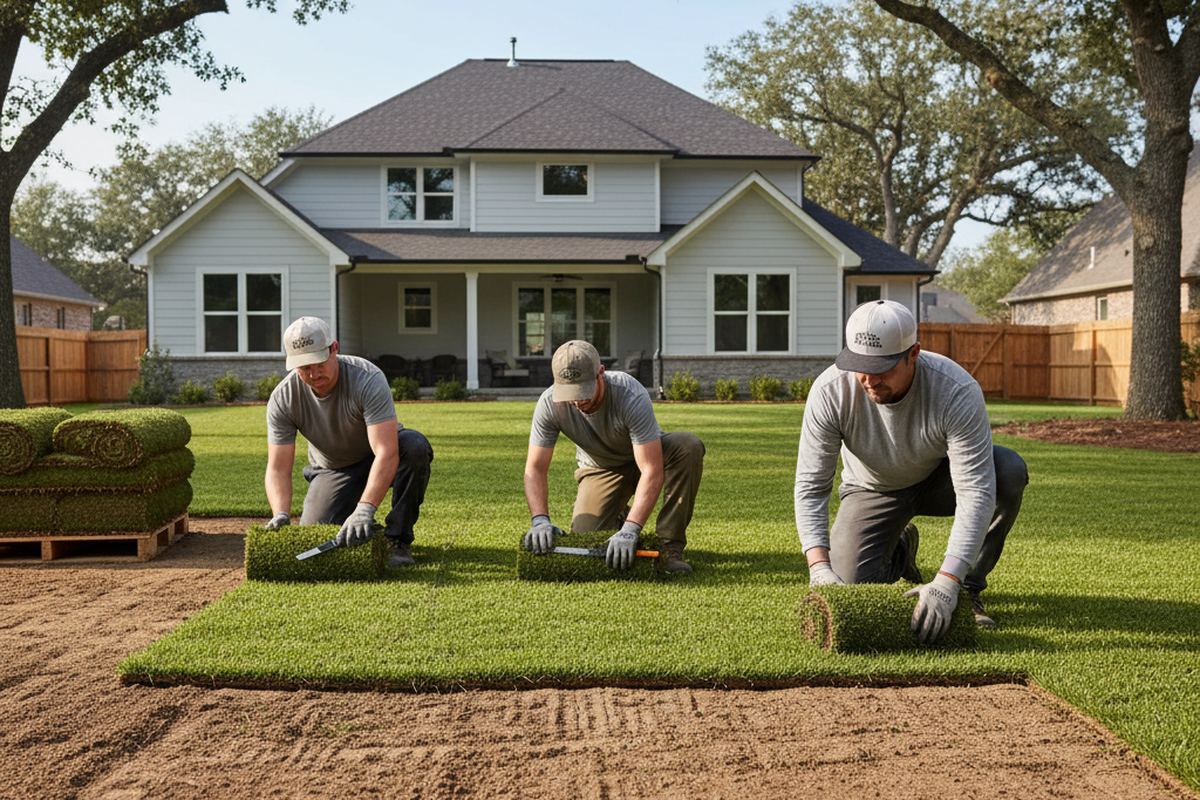
Understanding the optimal timing for sod installation is crucial for establishing a healthy, vibrant lawn. The success of your new turf depends heavily on environmental factors like temperature, moisture, and sunlight, which vary significantly across different regions of the United States. Choosing the right season ensures the sod roots quickly and efficiently, minimizing stress and reducing the likelihood of disease or bare patches. This guide will help you determine the best installation windows based on your climate and grass type, setting the foundation for a thriving lawn.
Cool-Season Grasses: Spring and Early Fall
Cool-season grasses, including Kentucky bluegrass, fescue, and perennial ryegrass, thrive in cooler temperatures, typically between 60 and 75 degrees Fahrenheit. The ideal windows for installing these varieties are early spring (March to May) and early fall (September to October). During these periods, the soil is warm enough to promote root growth, but air temperatures are mild, reducing heat stress on the new sod. Ample rainfall often accompanies these seasons, which aids in establishment.
Installing cool-season sod during these times allows the roots to establish firmly before the extremes of summer heat or winter cold. Fall installation, in particular, is often preferred because the soil remains warm for longer, encouraging root development, while decreasing daylight and cooler air temperatures reduce moisture loss from the leaves. This extended period of moderate weather provides a strong advantage for the sod to take hold before dormancy.
Warm-Season Grasses: Late Spring and Early Summer
Warm-season grasses such as Bermuda, Zoysia, St. Augustine, and Centipede grass prefer hotter climates, with optimal growth occurring between 75 and 90 degrees Fahrenheit. The best time to lay warm-season sod is typically from late spring through early summer (April to July). This timing coincides with the period when soil temperatures are consistently warm, which is essential for these grasses to root quickly and establish themselves before the cooler temperatures of fall.
While warm temperatures are beneficial, it's important to avoid the peak of summer's most intense heat, especially in regions prone to drought. Installing sod during a moderate stretch within this window, when temperatures are reliably warm but not excessively scorching, will help prevent desiccation and shock. Consistent watering is paramount during this establishment phase to support robust root development.
Regional Considerations: Northeast and Midwest
For homeowners in the Northeast and Midwest, which primarily support cool-season grasses, the prime installation times are early spring (late March to May) and early fall (September to October). Spring offers the advantage of emerging from winter dormancy, while fall provides a longer period of moderate temperatures for root establishment before the ground freezes. Aim for soil temperatures above 50 degrees Fahrenheit for optimal rooting.
Avoid installing sod during the peak summer months (July and August) in these regions, as high heat and potential drought stress can severely impact the success of new cool-season sod. Similarly, late fall or winter installations are not recommended, as the sod will not have sufficient time to root before the ground freezes, leading to winterkill and poor establishment in the spring.
Estimate sod pallets, rolls, and total install cost for your yard — with delivery and prep budget.
Open the Sod CalculatorRegional Considerations: Southeast and Gulf Coast
The Southeast and Gulf Coast regions, characterized by hot, humid summers, are ideal for warm-season grasses. The optimal window for sod installation here is late spring to early summer (April to June). This timing allows the sod to benefit from consistent warmth and humidity, promoting rapid root development and establishment. Ensure regular watering, especially in the initial weeks, to combat the high evaporation rates.
While warm temperatures are crucial, avoid installing sod during the absolute hottest part of the summer (July and August) if possible, as extreme heat can make establishment challenging, even for warm-season varieties. Also, be mindful of hurricane season; avoid installations directly before anticipated heavy rainfall or storms, which can wash away or damage newly laid sod.
Regional Considerations: Southwest and West Coast
The Southwest and parts of the West Coast present diverse climates. In arid and semi-arid areas of the Southwest, warm-season grasses are common, with late spring to early summer (April to June) being the best installation period. Consistent irrigation is critical due to the dry conditions. In more temperate coastal areas of the West, cool-season grasses may thrive, with spring (March to May) and fall (September to October) being ideal.
Regardless of grass type, consider the local microclimates and specific weather patterns. For instance, in areas with distinct rainy and dry seasons, aligning installation with the onset of the rainy season can reduce irrigation demands. Always check local forecasts for upcoming heatwaves or prolonged dry spells that could hinder establishment.
Preparing for Installation and Post-Care
Proper site preparation is as important as timing. This includes clearing debris, grading the land for proper drainage, and amending the soil to ensure it's rich in nutrients and has a balanced pH. A soil test conducted several months before installation can provide valuable insights into necessary amendments. Ensure the ground is moist, but not waterlogged, immediately before laying the sod.
After installation, consistent and adequate watering is the most critical factor for success. For the first 7-14 days, water new sod daily, ensuring the top 3-4 inches of soil are kept consistently moist. Gradually reduce frequency but increase duration as the sod roots, typically within 2-4 weeks. Avoid heavy foot traffic for at least a month to allow the roots to firmly anchor, and delay mowing until the sod is well-rooted and showing new growth.
- Clear all existing vegetation and debris.
- Grade the area for proper drainage, away from structures.
- Amend soil with compost or other organic matter.
- Test soil pH and nutrient levels in advance.
- Ensure consistent moisture for the first several weeks.
The bottom line
Selecting the correct time to install sod based on your grass type and regional climate is a foundational step toward a beautiful, resilient lawn. By aligning your project with nature's optimal windows, you provide your new turf with the best possible conditions for rapid rooting and long-term health. Careful planning and consistent post-installation care will ensure your investment yields a lush, green landscape.
Get more guidance like this in your inbox
Weekly emergency-fund tactics, milestone checklists, and the next article — delivered free.
Run your own number
Get a personalized emergency fund target based on your income, expenses, and job stability.
Open the calculator