BTU per Square Foot by Climate Zone
The right BTU per sq ft for each US climate zone, plus adjustments for windows and insulation.
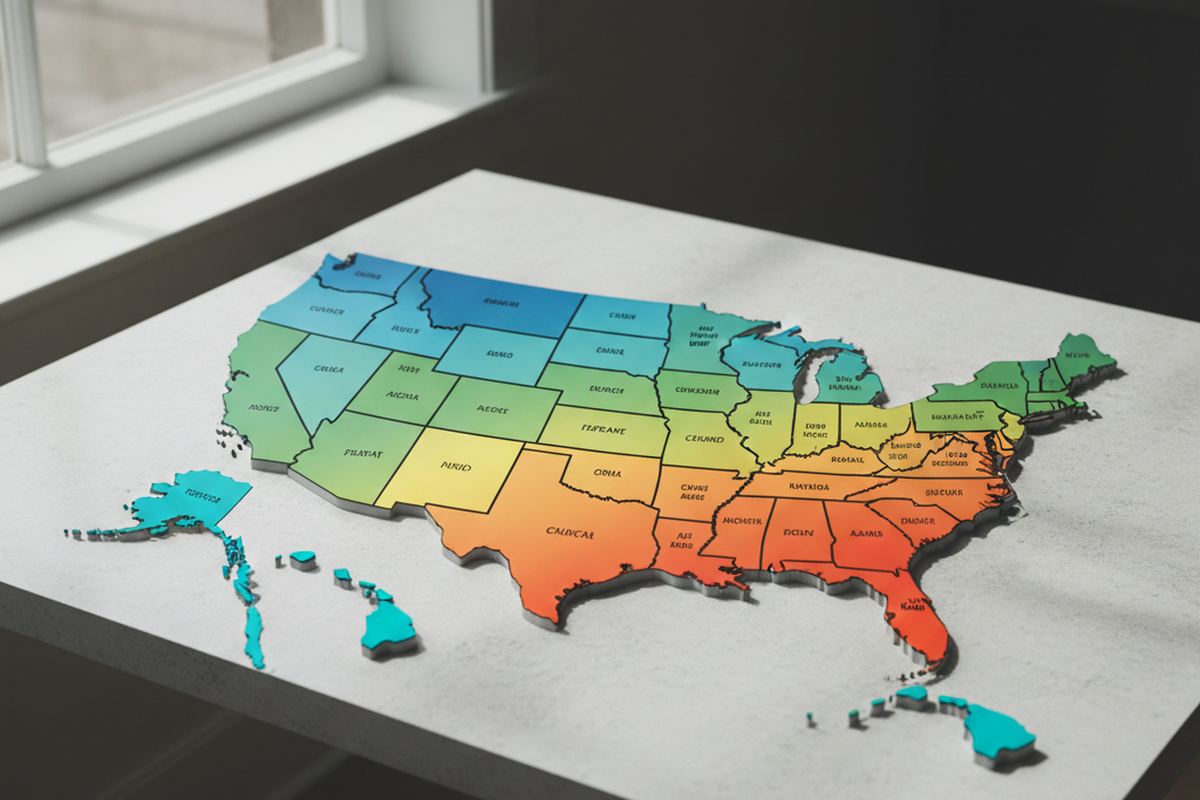
Choosing the correct HVAC system size is crucial for both comfort and efficiency in your home. An undersized unit will struggle to maintain desired temperatures, leading to higher energy bills and premature wear. Conversely, an oversized system cycles on and off too frequently, resulting in uneven cooling or heating, reduced dehumidification, and increased operational costs. Understanding BTU per square foot requirements tailored to your specific climate zone is the first step toward making an informed decision for your next AC or furnace.
Understanding BTUs and Their Importance
BTU, or British Thermal Unit, is a fundamental measure of thermal energy. In HVAC, it quantifies the amount of heat an air conditioner can remove from a space per hour (cooling capacity) or the amount of heat a furnace can produce per hour (heating capacity). A higher BTU rating indicates a more powerful system. While often simplified to a "BTU per square foot" rule of thumb, this metric is just one piece of a more complex sizing puzzle.
The primary goal of accurately calculating BTUs is to match your HVAC system's capacity precisely with your home's heating and cooling loads. An optimal match ensures consistent indoor temperatures, efficient energy consumption, and extends the lifespan of your equipment. Mismatched systems, whether too large or too small, compromise comfort, inflate utility bills, and can lead to more frequent maintenance or early replacement.
US Climate Zones and Average BTU Needs
The United States is divided into several climate zones, each with distinct heating and cooling demands. These zones are categorized by factors like average temperatures, humidity levels, and heating/cooling degree days. For instance, homes in hot, humid climates like the Southeast will require more cooling capacity than those in the mild Pacific Northwest, while northern states demand significantly more heating BTUs.
While specific calculations are always best, general guidelines exist for initial estimates. For cooling, a rough starting point can range from 20 BTUs per square foot in cooler zones to 30 BTUs per square foot in very hot zones. For heating, the range can be broader, from 30 BTUs per square foot in temperate zones to over 60 BTUs per square foot in extremely cold regions. These are averages and require significant adjustment based on individual home characteristics.
Cooling BTU Estimates by Climate Zone
For air conditioning, the BTU per square foot requirement increases as you move into hotter, more humid climates. In the mildest zones (e.g., coastal California, parts of the Pacific Northwest), you might estimate 20-25 BTUs per square foot. Moving into moderate zones (e.g., Mid-Atlantic, parts of the Midwest), 25-30 BTUs per square foot is a common starting point. For hot, humid zones (e.g., Southeast, Gulf Coast, Southwest deserts), 30-35 BTUs per square foot is often needed.
Humidity also plays a significant role in cooling load. High humidity requires more energy for dehumidification, which an AC unit performs as it cools. Therefore, homes in areas with high summer humidity, even if temperatures are not extreme, often need a slightly higher BTU per square foot calculation to effectively manage moisture and maintain comfort.
- Mild Climates (Zone 3/4): 20-25 BTU/sq ft
- Moderate Climates (Zone 4/5): 25-30 BTU/sq ft
- Hot/Humid Climates (Zone 1/2): 30-35 BTU/sq ft
Size your HVAC in BTUs and tons based on square footage, climate zone, insulation, and windows.
Open the HVAC Size CalculatorHeating BTU Estimates by Climate Zone
Furnace sizing, measured in BTUs, depends heavily on the severity and duration of cold weather. In very cold climates (e.g., Upper Midwest, Northeast), heating requirements can be substantial, often starting at 50-60 BTUs per square foot or more. In milder winter zones (e.g., parts of the South), 30-40 BTUs per square foot might suffice. Temperate zones (e.g., Pacific Northwest, Mid-Atlantic) typically fall in the 40-50 BTU per square foot range.
The duration of the heating season and the average winter low temperatures are critical factors. Homes in regions experiencing prolonged periods below freezing will naturally demand higher BTU output from their heating systems. Proper insulation and air sealing are even more critical for heating efficiency in these colder zones to minimize heat loss.
- Mild Winters (Zone 1/2): 30-40 BTU/sq ft
- Moderate Winters (Zone 3/4): 40-50 BTU/sq ft
- Cold Winters (Zone 5/6/7): 50-60+ BTU/sq ft
Adjusting for Home-Specific Factors
The "BTU per square foot" rule is a starting point, but every home has unique characteristics that significantly influence its actual HVAC needs. Factors such as ceiling height, the number and type of windows, and the quality of insulation can dramatically alter heating and cooling loads. A home with high ceilings or numerous south-facing windows will require more BTUs than a standard home of the same square footage.
Other crucial considerations include the home's orientation, the presence of shade from trees or adjacent buildings, and the number of occupants. Even the type of roofing material and the color of the exterior walls can impact solar heat gain. These variables highlight why a simple square footage calculation is often insufficient for precise sizing and why more detailed assessments are recommended.
Impact of Windows and Insulation
Windows are a major source of heat gain in summer and heat loss in winter. Single-pane windows are notoriously inefficient, allowing significant thermal transfer. Double-pane or triple-pane windows with low-emissivity (Low-E) coatings can drastically reduce this transfer. The direction windows face also matters; south and west-facing windows typically contribute more to heat gain, especially without proper shading.
Insulation is equally critical. Properly insulated walls, attics, and floors create a thermal envelope that resists heat flow. A well-insulated home retains heat in winter and keeps it out in summer, reducing the workload on your HVAC system. Upgrading insulation can often allow for a smaller, more efficient HVAC unit, leading to long-term energy savings and improved comfort.
The bottom line
Accurately sizing your HVAC system is a critical investment in your home's comfort and energy efficiency. While general BTU per square foot guidelines provide a useful starting point, a comprehensive assessment that considers your specific climate zone and unique home characteristics is essential. Taking the time to properly size your system will lead to optimal performance, lower utility bills, and a more comfortable living environment.
Get more guidance like this in your inbox
Weekly emergency-fund tactics, milestone checklists, and the next article — delivered free.
Run your own number
Get a personalized emergency fund target based on your income, expenses, and job stability.
Open the calculator