The Chore Chart That Actually Works in 2026
The chore chart design that gets real follow-through from kids.
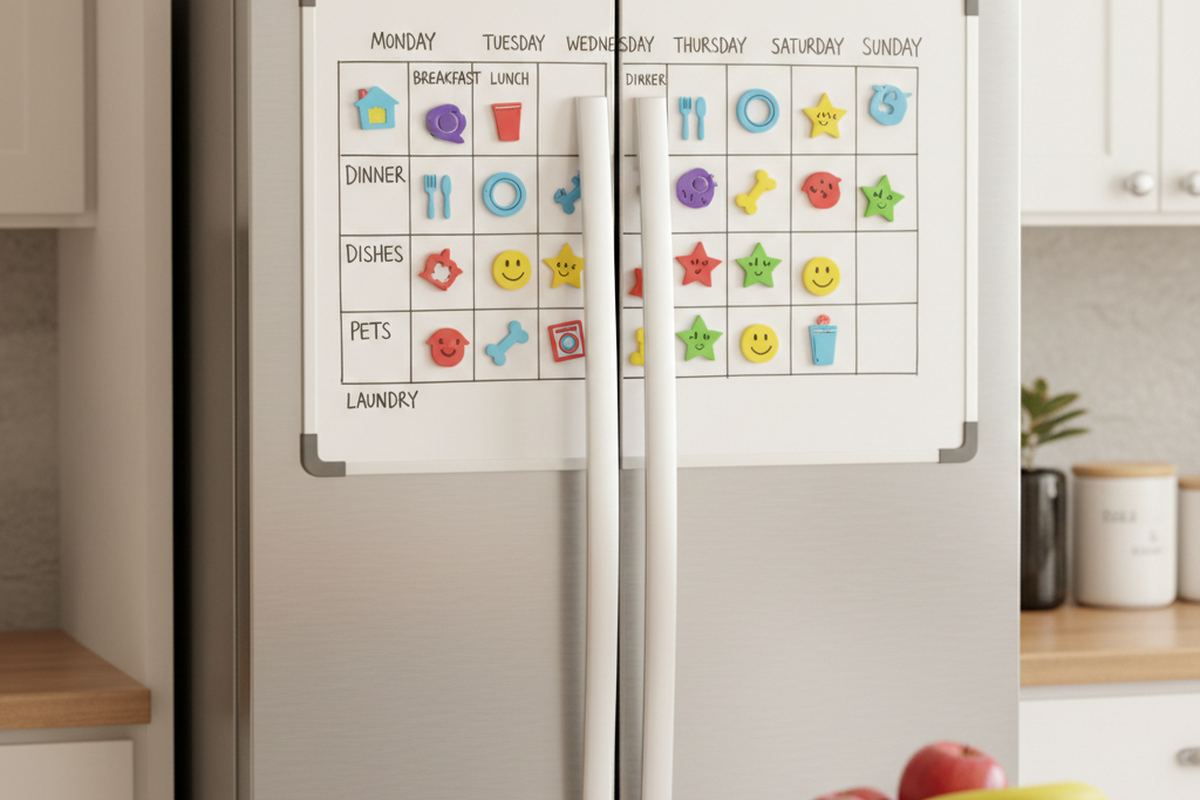
Establishing a chore and allowance system can be a cornerstone of financial education for children. However, many parents find themselves in a cycle of creating charts that quickly lose their effectiveness. The key to a successful system lies not just in assigning tasks, but in designing a framework that genuinely motivates children and teaches them valuable lessons about earning and responsibility. By aligning chores with clear expectations and a meaningful allowance structure, families can build a system that endures.
Align Chores with Age-Appropriate Responsibilities
The foundation of an effective chore chart is assigning tasks that are suitable for your child's developmental stage. A 5-year-old can manage putting away toys or helping set the table, while a 12-year-old can take on more complex tasks like vacuuming or preparing simple meals. Overburdening a child with tasks beyond their capability can lead to frustration and resistance, undermining the entire system. Conversely, chores that are too simple may not feel meaningful.
Consider a tiered approach where core daily responsibilities are expected without direct payment, fostering a sense of contribution to the family unit. Then, introduce additional chores that are linked to allowance. For instance, making their bed might be a daily expectation, but cleaning their room thoroughly or helping with yard work could be allowance-earning tasks. This distinction helps children understand the difference between basic contributions and earning opportunities.
Define Clear Expectations and Quality Standards
Ambiguity is the enemy of a successful chore chart. Children need to understand exactly what each chore entails and what a 'completed' task looks like. For example, 'clean your room' is less effective than 'make your bed, put all clothes in the hamper, and all toys in their bins.' Demonstrating the chore initially, and perhaps working alongside them, can establish the desired standard. This upfront investment prevents disputes later on.
Establish a consistent review process for completed chores. This doesn't need to be a formal inspection every time, but a quick check ensures quality. If a chore isn't done to the standard, provide constructive feedback and an opportunity to rectify it. This teaches accountability and the importance of thoroughness, crucial lessons that extend beyond household tasks into future endeavors.
Structure Allowance for Financial Literacy
An allowance linked to chores provides a tangible connection between effort and reward, a fundamental financial principle. In 2026, many families find success with an allowance of $1-$2 per year of age per week, with variations based on family income and local cost of living. For example, a 10-year-old might earn $10-$20 per week. This amount should be sufficient to cover some of their discretionary spending, giving them practice in managing their own money.
Divide the allowance into categories like 'spend,' 'save,' and 'give.' For instance, 50% for spending, 40% for saving, and 10% for giving to charity. This introduces budgeting concepts early. For saving, encourage both short-term goals (e.g., a new toy) and long-term goals (e.g., a bike or college fund). Physically separating the money into jars or using a simple banking app can reinforce these divisions.
Build a weekly chore chart that ties allowance to real work — with kid-friendly amounts.
Open the Chore Chart GeneratorImplement Consistent Tracking and Payouts
A chore chart's effectiveness hinges on consistency. Whether you use a physical board, a whiteboard, or a digital app, ensure chores are logged daily or weekly as they are completed. This visual representation of progress can be highly motivating for children. Parents must also be consistent in checking off tasks and, crucially, in delivering the allowance on time. Irregular payouts undermine the system and teach children that effort doesn't always lead to reward.
Consider a specific 'payday' each week, perhaps Saturday morning. This routine mimics real-world employment and reinforces the concept of regular income. If chores are not completed, a portion of the allowance can be withheld, clearly demonstrating the consequence. This 'no work, no pay' principle, when applied fairly and consistently, is a powerful teacher of responsibility and financial prudence.
Introduce Consequences and Incentives Thoughtfully
While allowance is a primary incentive, other non-monetary rewards can also be effective. Earning screen time, a special outing, or choosing the family movie night can motivate children who value experiences over immediate cash. Conversely, clear and communicated consequences for uncompleted chores are essential. This could range from reduced allowance to loss of privileges, always proportionate to the missed task.
Avoid using allowance as punishment for non-chore-related behavior. This blurs the lines and can make children resent chores. The allowance should be directly tied to the completion of assigned tasks. Focus consequences on the specific chore, allowing children to understand the direct impact of their choices. This reinforces the core lesson: responsibility for tasks leads to reward, and neglecting them has a clear outcome.
Empower Children with Choice and Ownership
Involving children in the creation of their chore chart can significantly increase buy-in and ownership. Allow them to choose some of the chores they are willing to take on, within reason. This fosters a sense of autonomy and makes them feel like active participants rather than simply recipients of instructions. When children have a say, they are more likely to commit to the responsibilities.
Periodically review and adjust the chore chart together as a family. As children grow, their capabilities and interests change. What was once a suitable chore might become too easy or too challenging. Open discussions about what's working and what isn't can keep the system fresh and relevant, ensuring it continues to serve its purpose as a tool for teaching responsibility and financial independence.
The bottom line
A well-designed chore and allowance system is more than just a list of tasks; it's a powerful educational tool. By establishing clear expectations, consistent routines, and meaningful connections between effort and reward, parents can cultivate responsibility and financial literacy in their children. Implement these principles to build a system that supports your family's values and helps your children thrive.
Get more guidance like this in your inbox
Weekly emergency-fund tactics, milestone checklists, and the next article — delivered free.
Run your own number
Get a personalized emergency fund target based on your income, expenses, and job stability.
Open the calculator