Toddler Chore Charts: What Actually Works at 2-4
Realistic chore expectations for toddlers with charts that motivate them.
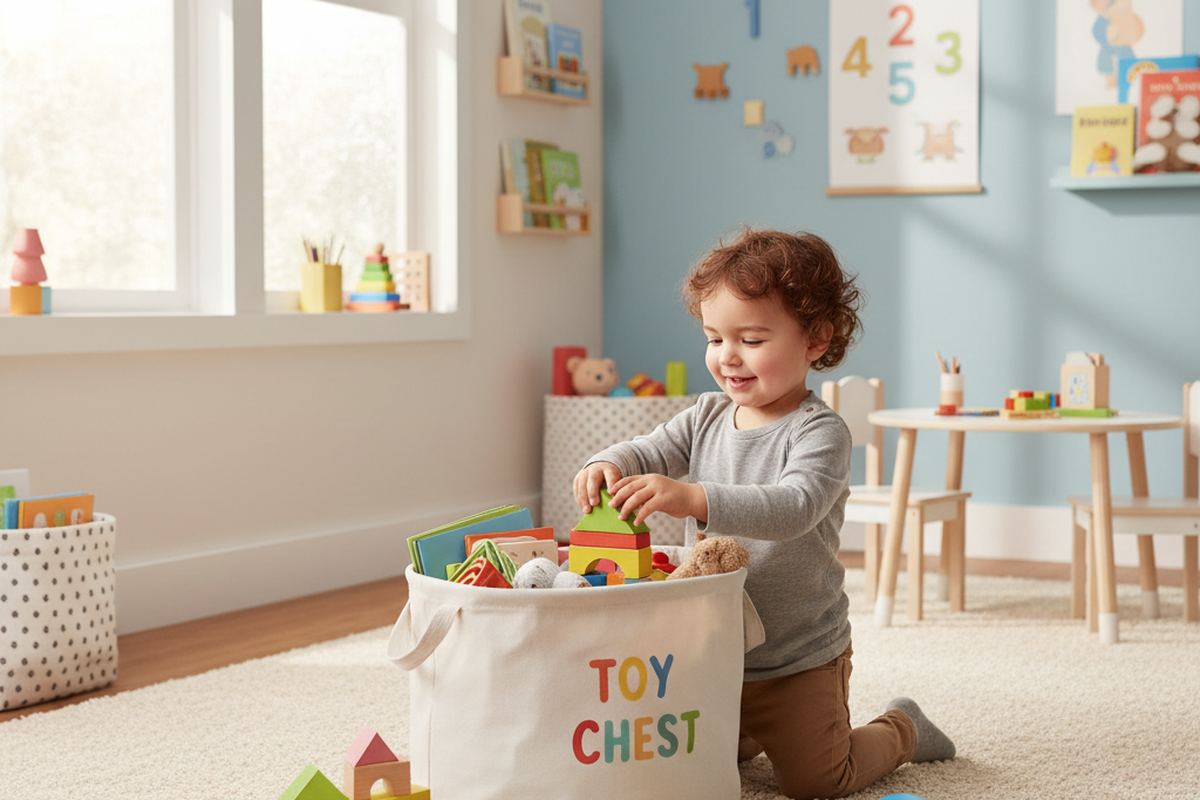
Introducing toddlers to household responsibilities can be a rewarding experience for both children and parents. While the idea of a toddler independently completing complex chores might seem far-fetched, even very young children can contribute meaningfully to family life. The key lies in setting realistic expectations, using age-appropriate methods, and focusing on the developmental benefits. This guide explores how to effectively implement chore charts for children aged 2-4, fostering a sense of responsibility and capability from an early age.
Understanding Toddler Capabilities and Limitations
Toddlers are eager to help and mimic adult behaviors, making this an ideal time to introduce simple chores. Their fine motor skills are developing, and they thrive on routine and clear instructions. However, their attention spans are short, and their understanding of multi-step processes is limited. Chores should be quick, easily demonstrable, and have an immediate, visible result.
It's crucial to differentiate between a toddler's desire to 'help' and their ability to perform tasks perfectly. The goal isn't pristine execution but participation, learning, and building positive associations with contributing to the household. Focus on the effort and the process, not just the outcome. Patience and positive reinforcement are your most valuable tools.
Selecting Age-Appropriate Chores for Young Children
For 2-year-olds, tasks should be very basic, such as putting toys in a bin, placing dirty clothes in a hamper, or helping wipe up spills with a cloth. As they approach 3 and 4, they can manage slightly more complex tasks like helping set the table (plastic items only), watering a plant with supervision, or assisting in making their bed by pulling up a blanket. These chores build foundational skills without overwhelming them.
Consider chores that are part of daily routines. For example, putting away shoes after coming inside, helping to feed a pet, or placing their plate in the sink after meals. Integrating chores into existing habits makes them feel less like extra work and more like a natural part of the day. Keep the list short, perhaps 2-3 simple tasks at a time, to avoid frustration.
- Putting toys in a designated bin.
- Placing dirty clothes in a hamper.
- Wiping up small spills.
- Helping to put away groceries (light, unbreakable items).
- Feeding pets (with supervision).
- Placing plate in the sink after eating.
Designing Effective Toddler Chore Charts
Visual chore charts are far more effective for toddlers than written lists. Use pictures, drawings, or photographs of your child performing the specific chore. For example, a picture of them putting blocks in a box. This visual cue helps them understand what is expected even before they can read. Simplicity is key; avoid cluttered charts.
Consider a chart that allows for immediate gratification. A simple 'done' pocket where they can move a picture of the completed chore, or a space to place a sticker, works well. The process of marking off a task provides a tangible sense of accomplishment. You can use laminated cards with Velcro, or a whiteboard with magnets, making it interactive and fun.
Build a weekly chore chart that ties allowance to real work — with kid-friendly amounts.
Open the Chore Chart GeneratorImplementing a Simple Reward System
For toddlers, intrinsic motivation is developing, but external motivators can still be helpful. Instead of monetary allowance, which is often too abstract at this age, focus on non-monetary rewards. These could be verbal praise, a high-five, extra story time, choosing the next family activity, or a small, tangible treat like a sticker or a special privilege.
The reward should be immediate and directly linked to the completion of the chore. For example, 'Great job putting your shoes away! Now we have time for an extra cuddle before bed.' Avoid making rewards too grand or complex, as this can overshadow the purpose of contributing. The biggest reward should be the positive attention and recognition of their effort.
Consistency and Positive Reinforcement
Consistency is paramount when introducing new routines. Do the chores at the same time each day, or in connection with the same activity (e.g., tidying up before dinner). This predictability helps toddlers understand expectations and builds habits. If you skip days, it can confuse a child who relies on routine.
Focus on positive reinforcement. When your child completes a chore, offer specific praise like, 'Thank you for putting your books back on the shelf! That helps keep our living room tidy.' Avoid criticism if a task isn't done perfectly; instead, gently guide them or show them how to improve next time. The goal is participation and effort, not perfection.
Allowance for Toddlers: An Early Introduction
While direct monetary allowance might be too abstract for a 2-4 year old, you can introduce the concept of earning and saving in a very simple way. For example, for every 5 stickers earned on their chore chart, they might get to pick a small, inexpensive toy from a 'treasure box' or contribute to a family outing fund. This subtly links effort to a tangible outcome.
Alternatively, you might introduce a 'jar' system where they put a small token (like a button or a pom-pom) for each completed chore. Once the jar is full, it triggers a special activity, like a trip to the park or a favorite snack. This helps them visualize progress and understand that consistent effort leads to a desired outcome, laying groundwork for future financial literacy.
Troubleshooting Common Toddler Chore Challenges
Expect some resistance or days when your toddler simply isn't cooperative. Avoid making chores a power struggle. If they refuse, you can offer choices ('Would you like to put away the red blocks or the blue blocks first?') or make it a game ('Let's see how fast we can get these toys into the basket!'). Sometimes, doing the chore together can also help to re-engage them.
If a chore consistently causes meltdowns, it might be too complex or not age-appropriate. Re-evaluate the task and simplify it, or temporarily remove it from the chart. Remember, the goal is to foster a positive relationship with responsibility, not to create a battleground. Flexibility and adapting to your child's developmental stage are key to long-term success.
The bottom line
Building a chore and allowance system for toddlers is an investment in their future independence and financial understanding. By keeping expectations realistic, using visual aids, and focusing on positive reinforcement, you can cultivate a helpful and responsible mindset from a very young age. These early lessons contribute significantly to their development and capacity to manage responsibilities as they grow.
Get more guidance like this in your inbox
Weekly emergency-fund tactics, milestone checklists, and the next article — delivered free.
Run your own number
Get a personalized emergency fund target based on your income, expenses, and job stability.
Open the calculator