Concrete Curing Explained: Why Wet Is Better Than Dry
Curing is what builds strength — and most DIY slabs are weaker than they should be because of bad curing.
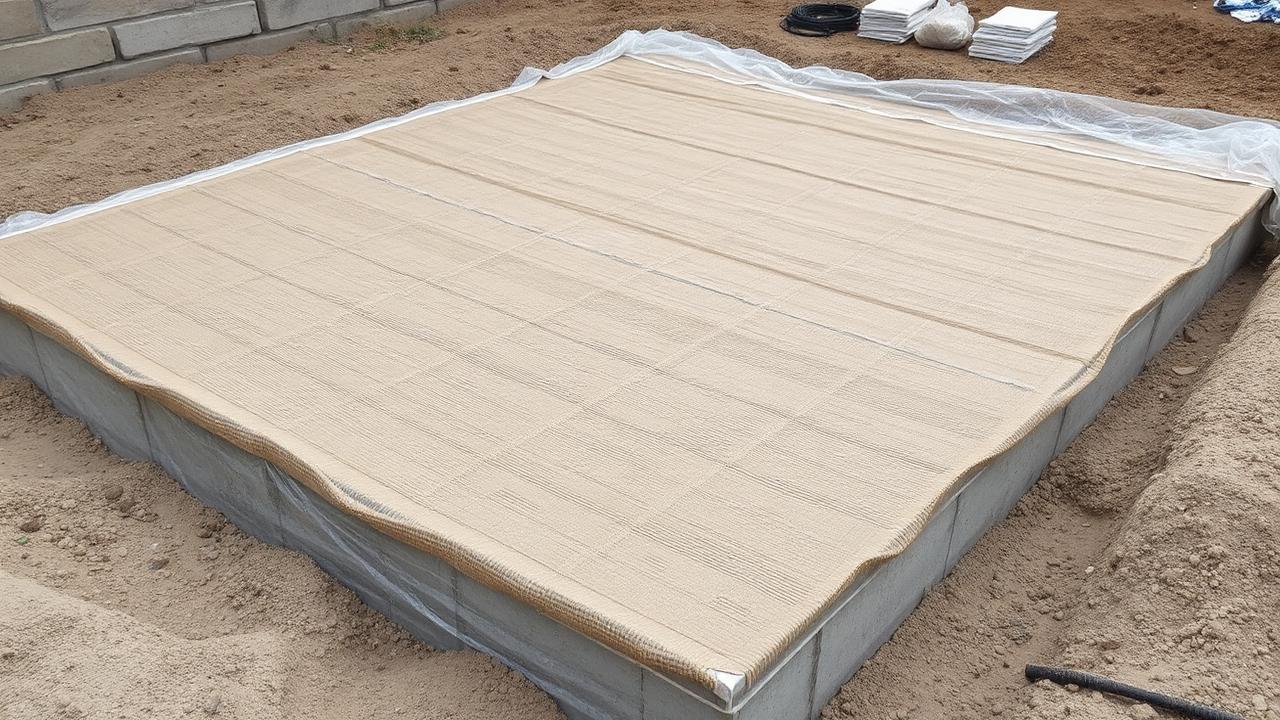
Curing is the chemical reaction between water and cement that builds strength. If concrete dries before curing finishes, you lose strength permanently.
The 7-day rule
Concrete should stay damp for at least 7 days after pouring. It reaches 70% strength in that window.
How to keep it wet
- Cover with plastic sheeting taped at the edges
- Lay damp burlap and re-wet it daily
- Spray with a curing compound (commercial sealer that traps moisture)
- Build a temporary water dam and flood the surface
What bad curing costs you
Surface dusting, hairline cracks, and up to 50% loss of design strength. A weak slab cracks faster and stains easier forever.
Plan your slab pour with the right amount of concrete from day one.
Open the Concrete CalculatorGet more guidance like this in your inbox
Weekly emergency-fund tactics, milestone checklists, and the next article — delivered free.
Order the right amount of concrete
Get exact cubic yards, bag counts, rebar, and total cost — slab, footing, column, or stairs — with our free Concrete Calculator.
Open the Concrete Calculator