Concrete Cracks Explained: Shrinkage, Settling, and How to Prevent Them
All concrete cracks. Here's how to control where, and how to tell the harmless from the structural.
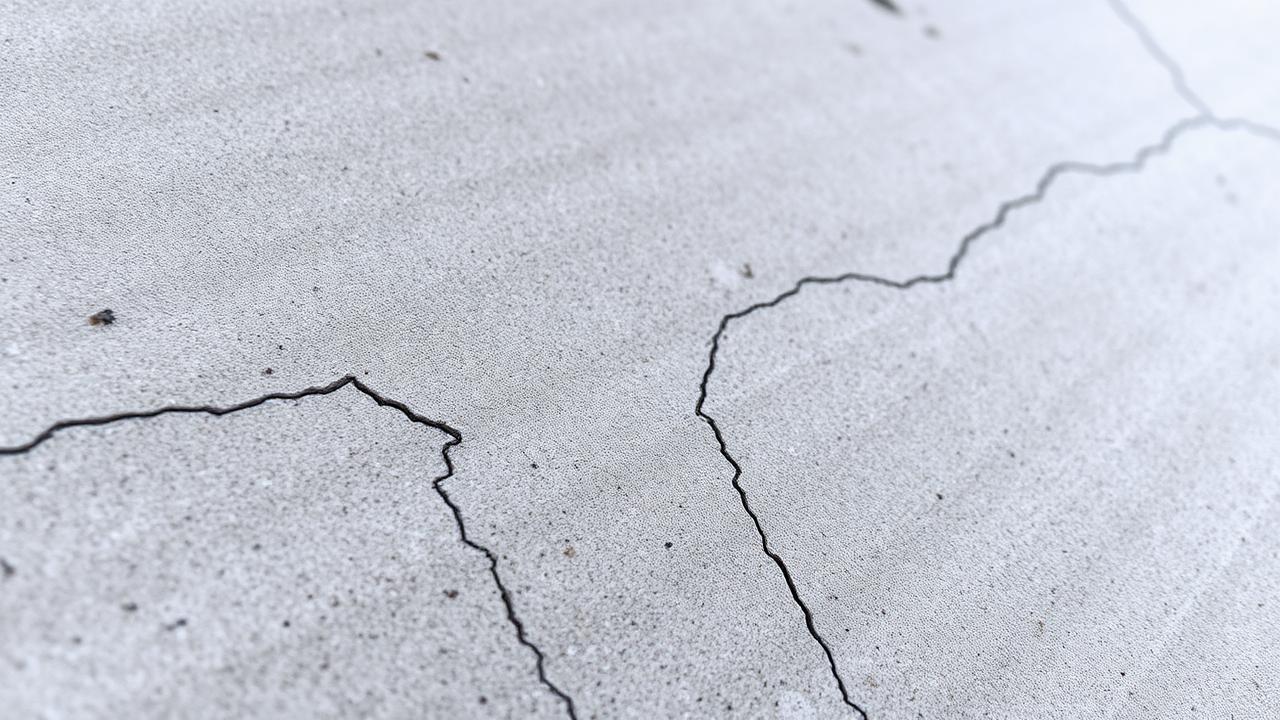
All concrete cracks. The question is whether the cracks are controlled and cosmetic, or random and structural.
Shrinkage cracks — normal
Concrete shrinks ~1/16" per 10 feet as it cures. Control joints direct that shrinkage to predictable locations.
Control joints
Saw-cut or tooled grooves 1/4 the slab depth, spaced 2–3 times the slab thickness in feet. A 4" slab needs joints every 8–12 feet.
Settlement cracks — structural
Cracks wider than 1/4", offset edges, or cracks that grow over time mean subgrade failure. Call a structural engineer.
Fixing hairlines
Clean with a wire brush, fill with polymer-modified crack sealer, reseal the surface. Done.
Plan your control joint spacing before you pour.
Open the Concrete CalculatorGet more guidance like this in your inbox
Weekly emergency-fund tactics, milestone checklists, and the next article — delivered free.
Order the right amount of concrete
Get exact cubic yards, bag counts, rebar, and total cost — slab, footing, column, or stairs — with our free Concrete Calculator.
Open the Concrete Calculator