DIY vs Full-Service Move: The Real Cost Comparison
Head-to-head cost on truck rental, packing supplies, and full-service moves for the same home size.
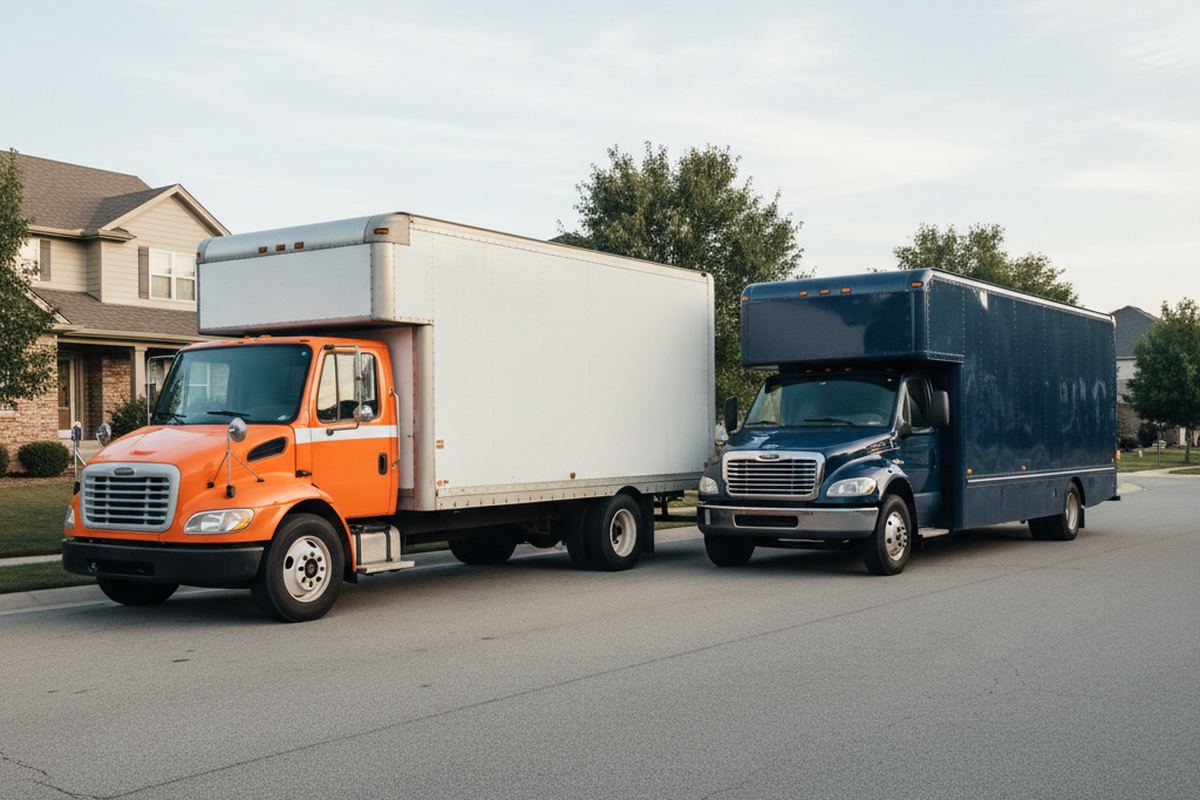
Deciding between a do-it-yourself (DIY) move and hiring a full-service moving company is a significant financial decision. While a DIY approach often appears cheaper on the surface, it involves more than just truck rental fees. Full-service options, though pricier upfront, can save considerable time and effort. Understanding the true costs associated with each method is essential for making an informed choice that aligns with your budget and personal circumstances, whether you are relocating across town or across the country.
Breaking Down DIY Moving Expenses
A DIY move typically involves renting a truck, purchasing packing supplies, and potentially hiring temporary labor for loading and unloading. For a three-bedroom home, truck rental costs can range from $150 to $500 for a local move, while a cross-country move might incur $2,500 to $4,500, not including fuel. Fuel costs alone can add several hundred dollars for long distances, depending on gas prices and vehicle efficiency. Don't forget insurance for the rental truck and your belongings, which is often an additional charge.
Beyond the truck, expect to spend on boxes, tape, bubble wrap, and furniture pads. A conservative estimate for these supplies for a three-bedroom home is $200 to $500. If you opt to hire movers for just the heavy lifting, expect to pay $50 to $100 per hour per person, with a minimum of two people for a few hours. This can quickly add $300 to $800 to your expenses, even for a local move. Consider also the cost of food and drinks for friends helping, and your own time investment.
Understanding Full-Service Moving Costs
Full-service movers handle everything from packing and loading to transportation and unloading at your new residence. For a three-bedroom home, a local full-service move might range from $1,500 to $4,000. Long-distance moves, however, are significantly more expensive, typically falling between $5,000 and $12,000, depending on the distance, volume of items, and additional services requested. These prices generally include labor, truck, fuel, and basic valuation coverage for your belongings.
Additional services can increase the total cost. For instance, specialized handling for pianos, artwork, or antiques will incur extra fees. Disassembly and reassembly of furniture, or storage services if there's a gap between move-out and move-in dates, also add to the bill. While these services raise the price, they offer convenience and expertise, reducing the physical and logistical burden on your household. Always request a detailed, itemized quote to understand what is included.
Hidden Costs to Anticipate
Regardless of your chosen method, several less obvious costs can impact your moving budget. For DIY movers, these include potential damages to your belongings or the rental truck, which might not be fully covered by basic insurance. Lost wages due to taking time off work for packing and moving also represent a real financial impact. Don't overlook the cost of cleaning supplies for your old and new homes, or the expense of utilities overlapping during the transition.
For full-service moves, potential hidden costs might include charges for difficult access (e.g., stairs, long carries), shuttle services if a large moving truck cannot reach your home, or unexpected hourly charges if the move takes longer than estimated. Always clarify these potential surcharges with your moving company beforehand. Both methods also require budgeting for new locks, rekeying services, and possibly new furniture or appliances that don't fit or are damaged during the move.
Estimate DIY vs full-service moving cost by home size, distance, and services — with tip and insurance.
Open the Moving Cost CalculatorComparing Time and Effort Investments
Beyond monetary costs, the time and effort invested in a move are significant factors. A DIY move demands substantial personal time for packing, organizing, loading, driving, and unloading. For a three-bedroom home, this could easily consume several weekends and evenings leading up to the move, plus multiple days for the actual relocation. This can be particularly challenging for individuals with demanding jobs, families, or physical limitations.
Full-service movers, conversely, handle the bulk of the physical and logistical work. This frees up your time to focus on other aspects of relocation, such as transferring utilities, changing addresses, or settling into a new community. While you still need to be present and direct the movers, the physical strain and detailed planning are largely outsourced. The trade-off is often a higher financial cost for a lower personal time and effort investment.
Insurance and Liability Considerations
For DIY moves, your personal auto insurance might not cover rental trucks, and your homeowner's or renter's insurance might have limitations on coverage for goods in transit. You will likely need to purchase additional coverage from the truck rental company, which varies in scope and cost. If items are damaged, the responsibility for repair or replacement falls squarely on you, unless you have specific, robust third-party moving insurance.
Full-service movers are required to offer basic liability coverage, often called "Released Value Protection," which typically covers items at $0.60 per pound per article. This minimal coverage is usually insufficient for valuable items. Most reputable movers also offer "Full Value Protection," which costs extra but provides more comprehensive coverage, often covering the replacement value of damaged or lost items. Understanding these options is crucial for protecting your belongings.
Making the Right Choice for Your Household
The decision between DIY and full-service moving ultimately depends on your specific circumstances, budget, and priorities. If you have a smaller home, limited valuable items, ample time, and a strong support network, a DIY move can be a cost-effective solution. Be realistic about the physical demands and potential for unexpected expenses. Gather quotes for truck rentals, packing supplies, and any auxiliary help you might need.
Conversely, if you have a larger home, numerous fragile or valuable possessions, a tight schedule, or prefer to minimize stress and physical exertion, a full-service move might be the better investment. Obtain at least three detailed, written estimates from reputable moving companies. Compare not just the total cost, but also the services included, insurance options, and their reputation. A comprehensive understanding of all factors will lead to the best decision for your relocation.
The bottom line
Careful planning and a thorough understanding of all potential costs are key to a successful move, regardless of the method you choose. By evaluating your budget, time availability, and the value of your possessions, you can make an informed decision that aligns with your household's needs. Take the time to gather accurate quotes and consider all variables before committing to a moving strategy.
Get more guidance like this in your inbox
Weekly emergency-fund tactics, milestone checklists, and the next article — delivered free.
Run your own number
Get a personalized emergency fund target based on your income, expenses, and job stability.
Open the calculator