Emergency Fund for Teens: Yes, It's a Thing
Why teens need a small emergency fund and how to help them build one.
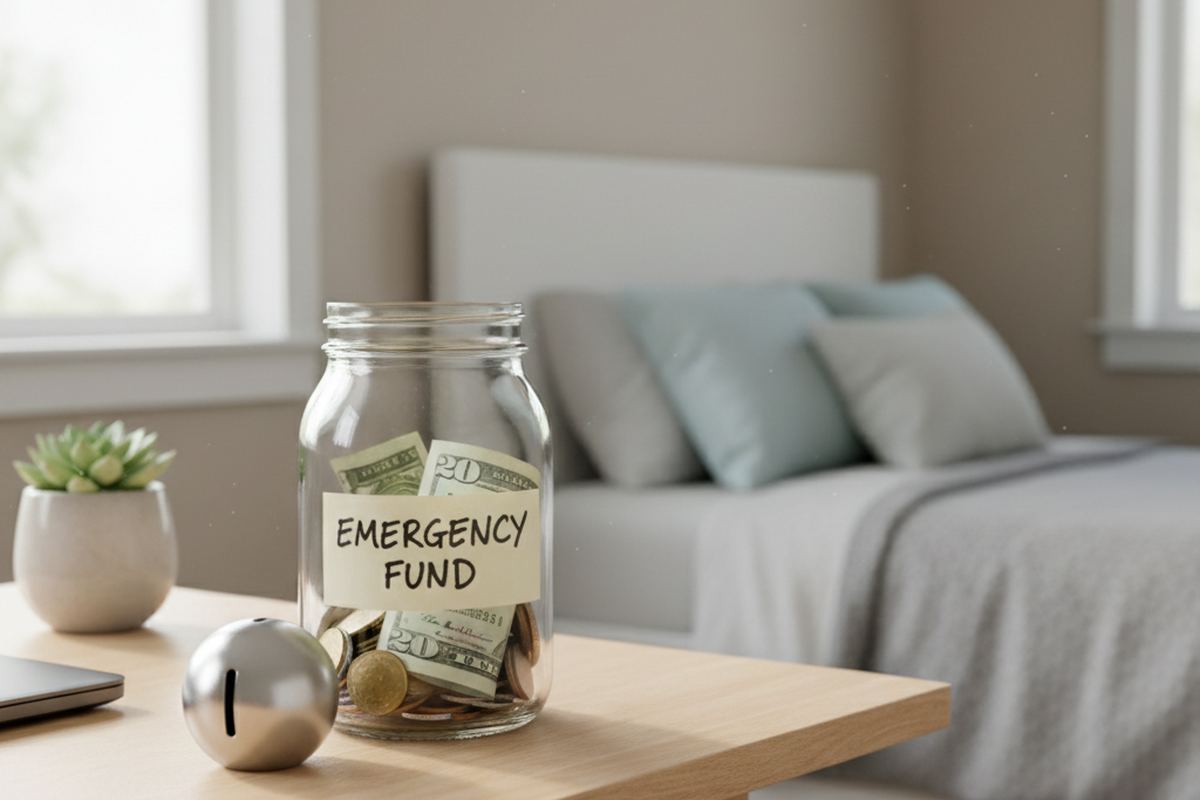
Teaching financial responsibility to teenagers often focuses on saving for big goals like college or a first car. However, an often-overlooked but crucial lesson is the importance of an emergency fund. For teens, this isn't about covering a mortgage payment, but rather building a financial safety net for unexpected smaller expenses. Establishing this habit early can significantly impact their future financial well-being and reduce reliance on parents for every minor hiccup.
Why Teens Need Their Own Emergency Fund
While parents typically handle major household emergencies, teenagers increasingly encounter situations requiring immediate, unplanned spending. This could range from replacing a lost school ID, fixing a broken phone screen, or covering an unexpected expense for a school trip or social event. Having their own fund empowers them to address these issues without immediate parental intervention, fostering independence and problem-solving skills.
Beyond practical needs, a teen emergency fund provides valuable life lessons. It teaches them to anticipate the unexpected, prioritize spending, and understand the concept of delayed gratification. Instead of feeling helpless or immediately turning to parents, they learn to take responsibility for minor financial setbacks, which builds confidence and prepares them for managing larger financial responsibilities in adulthood.
Defining a Teen-Sized Emergency
For adults, an emergency fund might cover six months of living expenses. For a teenager, the scope is much narrower and more immediate. An appropriate emergency fund for a teen might cover expenses ranging from $100 to $500. This amount is sufficient to handle common teen-specific emergencies without being overwhelming to save or manage.
Examples of teen emergencies include replacing essential school supplies, repairing a bicycle, covering unforeseen transportation costs, or contributing to a medical co-pay for an unexpected visit. It's important to differentiate between a true emergency and a desired purchase. Parents should help teens understand that this fund is not for impulse buys or routine entertainment, but for genuine unexpected needs.
Setting a Realistic Savings Goal
The first step is to collaboratively determine a specific target amount. Based on typical teen expenses, aiming for $200 to $500 is a practical starting point. This range provides enough buffer for common issues without requiring an unrealistic savings timeline. Discuss with your teen what types of emergencies they foresee and how much those might cost.
Once a goal is set, break it down into smaller, manageable chunks. If the goal is $300, saving $25 per month means reaching the target in a year. This incremental approach makes the goal feel achievable and reinforces consistent saving habits. Regular check-ins can help them stay on track and adjust their saving strategy if needed.
Turn a savings goal into a monthly plan a kid can actually stick to.
Open the Kids Savings Goal TrackerStrategies for Building the Fund
Teenagers often have various income streams, from allowances to part-time jobs or gifts. Encourage them to allocate a portion of every dollar earned or received towards their emergency fund. Even small contributions, like 10% of their allowance or $5 from a birthday gift, can accumulate effectively over time. This teaches them the power of consistent saving.
Consider offering a matching contribution as an incentive. For example, for every dollar your teen saves towards their emergency fund, you might match it with $0.25 or $0.50. This accelerates their progress and reinforces the value of their effort. You could also help them identify opportunities for odd jobs or selling unused items to boost their savings.
Where to Store the Emergency Money
For a teen's emergency fund, accessibility and security are key. A dedicated savings account is often the best option. Many banks offer youth accounts that can be linked to a parent's account, allowing for easy deposits while still giving the teen a sense of ownership. This also introduces them to the banking system.
Alternatively, a physical savings jar or envelope labeled "Emergency Fund" can work, especially for younger teens, to make the money tangible. However, as the fund grows, a bank account offers better security and the opportunity to earn a small amount of interest, further demonstrating the benefits of saving.
Maintaining and Replenishing the Fund
Once the emergency fund is established and an unexpected expense arises, guide your teen through the process of using it. Discuss whether the situation truly qualifies as an emergency and how much of the fund is needed. This is a practical application of the lessons learned and helps solidify their understanding of its purpose.
After using the fund, the next crucial step is to replenish it. Just like an adult's emergency fund, it should be restored to its target amount as quickly as possible. This reinforces the idea that the fund is a revolving safety net, not a one-time pool of money. Encourage them to adjust their saving strategy to rebuild the fund after a withdrawal.
Long-Term Benefits of Early Financial Habits
Establishing an emergency fund in their teenage years lays a robust foundation for future financial health. It teaches discipline, foresight, and the critical skill of preparing for the unexpected. These habits extend beyond just money, influencing how they approach planning and problem-solving in various aspects of life.
Moreover, teens who learn to manage their own small emergencies are better equipped to handle larger financial challenges as young adults. They develop a sense of financial resilience, reducing the likelihood of falling into debt when unexpected costs arise. This early preparation is an invaluable gift that will serve them well for decades to come.
The bottom line
Empowering your teenager with their own emergency fund is more than just teaching them to save money; it's about instilling financial independence and resilience. By setting clear goals, providing guidance, and offering practical strategies, you can help them build a valuable financial safety net. This early lesson in preparedness will equip them with essential skills for a financially secure future.
Get more guidance like this in your inbox
Weekly emergency-fund tactics, milestone checklists, and the next article — delivered free.
Run your own number
Get a personalized emergency fund target based on your income, expenses, and job stability.
Open the calculator