The First Mow on New Sod: When and How High
The right timing and mow height for the first mow — cut too early and you'll pull up the sod.
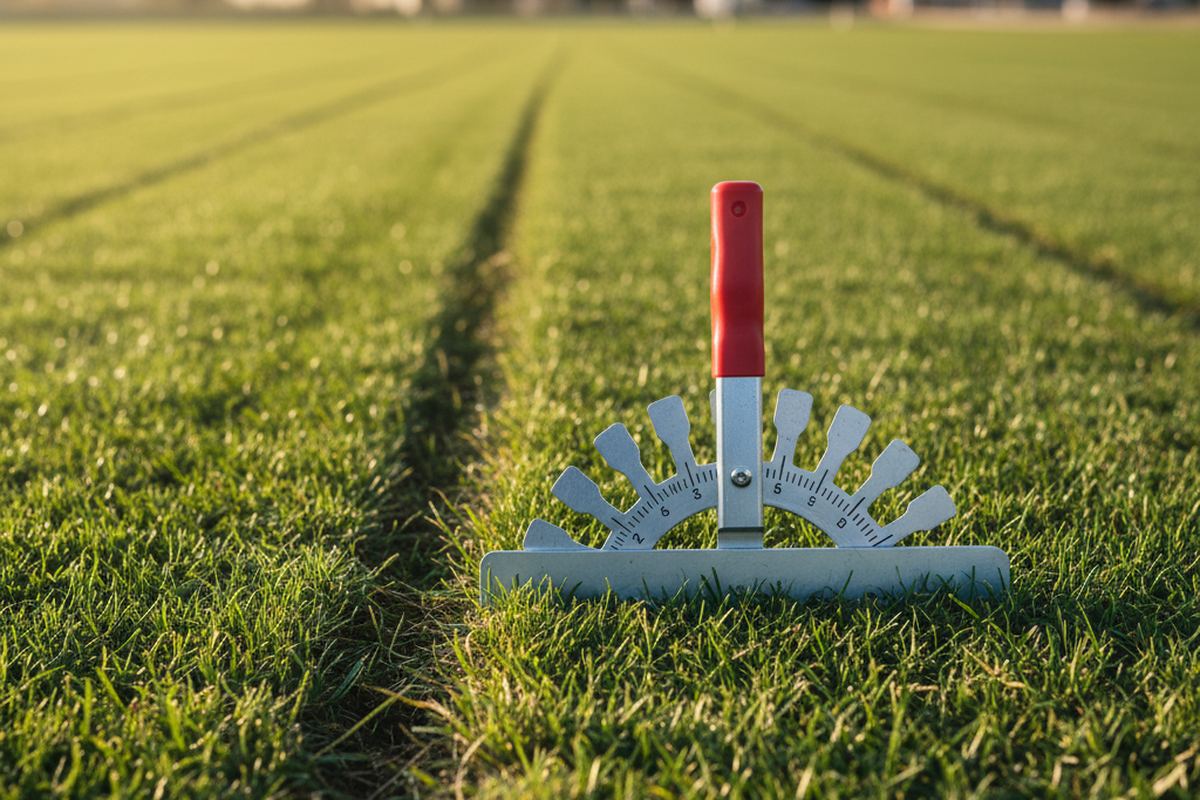
Successfully establishing new sod hinges on several critical steps, with the first mow being among the most important. Cutting too early or at the wrong height can stress the delicate root system, potentially causing sections of sod to lift or even die. Understanding the ideal timing and proper technique ensures a healthy, vibrant lawn from the outset. This guide provides clear, data-driven advice to help your new sod thrive.
Why the First Mow is Crucial for Sod Establishment
New sod is essentially freshly cut grass that has been transplanted. Its primary goal in the weeks following installation is to establish a strong root system that anchors it firmly to the underlying soil. Disturbing this process prematurely through mowing can hinder root growth and increase the risk of turf damage. The initial roots are fragile and need time to penetrate deeply.
Mowing too soon can dislodge sod pieces, creating gaps or uneven patches in your new lawn. It also places undue stress on the grass blades, which are already recovering from the shock of transplantation. Proper timing allows the roots to knit into the soil, providing the stability needed to withstand the mechanical action of a mower and subsequent foot traffic.
Assessing Root Establishment Before Mowing
The most reliable indicator of when to mow is the degree of root establishment. While general guidelines suggest waiting 10 to 21 days, actual timing depends on factors like sod type, soil preparation, and climate conditions. To check for root growth, gently lift a corner of a sod piece. If it resists lifting and remains firmly attached to the soil, it indicates sufficient rooting.
Another method is to pull on a few grass blades. If the sod piece lifts with the blades, it is not ready. If only the blades come loose, the roots are likely established enough. This check should be performed in several areas across the lawn to ensure uniform rooting, as some spots may establish faster than others.
The Ideal Mower Height for the Initial Cut
For the first mow, it is crucial to set your mower to its highest possible setting, typically between 2.5 to 3.5 inches, depending on the grass type. The goal is to remove only the very tips of the grass blades, not a significant portion of their length. This approach minimizes stress on the new turf and encourages continued root development.
Removing too much leaf material at once can shock the grass, forcing it to expend energy on regrowing blades instead of strengthening its root system. A higher cut also provides more surface area for photosynthesis, which is vital for the grass's energy production and overall health during this critical establishment phase.
Estimate sod pallets, rolls, and total install cost for your yard — with delivery and prep budget.
Open the Sod CalculatorPreparing Your Mower and Lawn for the First Cut
Before mowing, ensure your mower blades are sharp. Dull blades tear grass, leaving ragged edges that are more susceptible to disease and stress. A clean, sharp cut promotes faster healing and healthier growth. Also, ensure the soil is relatively dry; mowing wet sod can compact the soil, create ruts, and spread fungal diseases.
Walk the lawn beforehand to remove any debris such as rocks or sticks that could damage your mower or the new sod. If the sod has shifted in any areas, gently press it back down to ensure good contact with the soil. This preparation helps achieve a smooth, even cut without risking damage to your new investment.
Mowing Technique and Post-Mow Care
When performing the first mow, proceed slowly and carefully. Avoid making sharp turns that could tear or dislodge sod pieces. Mow in straight lines, overlapping slightly to ensure full coverage. If your mower has a bagging option, use it to collect clippings to prevent them from smothering the new grass or contributing to thatch buildup.
After mowing, avoid heavy foot traffic for at least another week or two. Continue your regular watering schedule to maintain soil moisture, which is essential for ongoing root development. Monitor the lawn for any signs of stress, such as yellowing or wilting, and adjust watering as needed. Subsequent mows can gradually lower the blade height over several weeks until your desired height is achieved.
Common Pitfalls to Avoid with New Sod
One common mistake is overwatering, which can lead to fungal issues and shallow root growth. While new sod needs consistent moisture, the soil should not be constantly saturated. Another error is applying fertilizer too soon or using the wrong type; generally, a starter fertilizer is applied before sod installation, and additional feeding should wait until the sod is well established, typically 4-6 weeks after installation.
Ignoring the rooting process and mowing purely by a calendar date is another pitfall. Always physically check for root establishment before the first cut. Additionally, avoid using heavy lawn equipment or allowing pets to dig on the new sod during the initial weeks, as this can easily disrupt the delicate root system and damage the turf.
The bottom line
Properly executing the first mow on new sod is a foundational step in creating a resilient and attractive lawn. By patiently allowing roots to establish and adhering to correct mowing practices, you set the stage for long-term health. Follow these guidelines to ensure your new sod transitions successfully into a thriving part of your home landscape.
Get more guidance like this in your inbox
Weekly emergency-fund tactics, milestone checklists, and the next article — delivered free.
Run your own number
Get a personalized emergency fund target based on your income, expenses, and job stability.
Open the calculator