Heat Pump vs AC Sizing: The Rules Are Different
Why heat pumps require dual-fuel sizing thinking, and the balance point that matters.
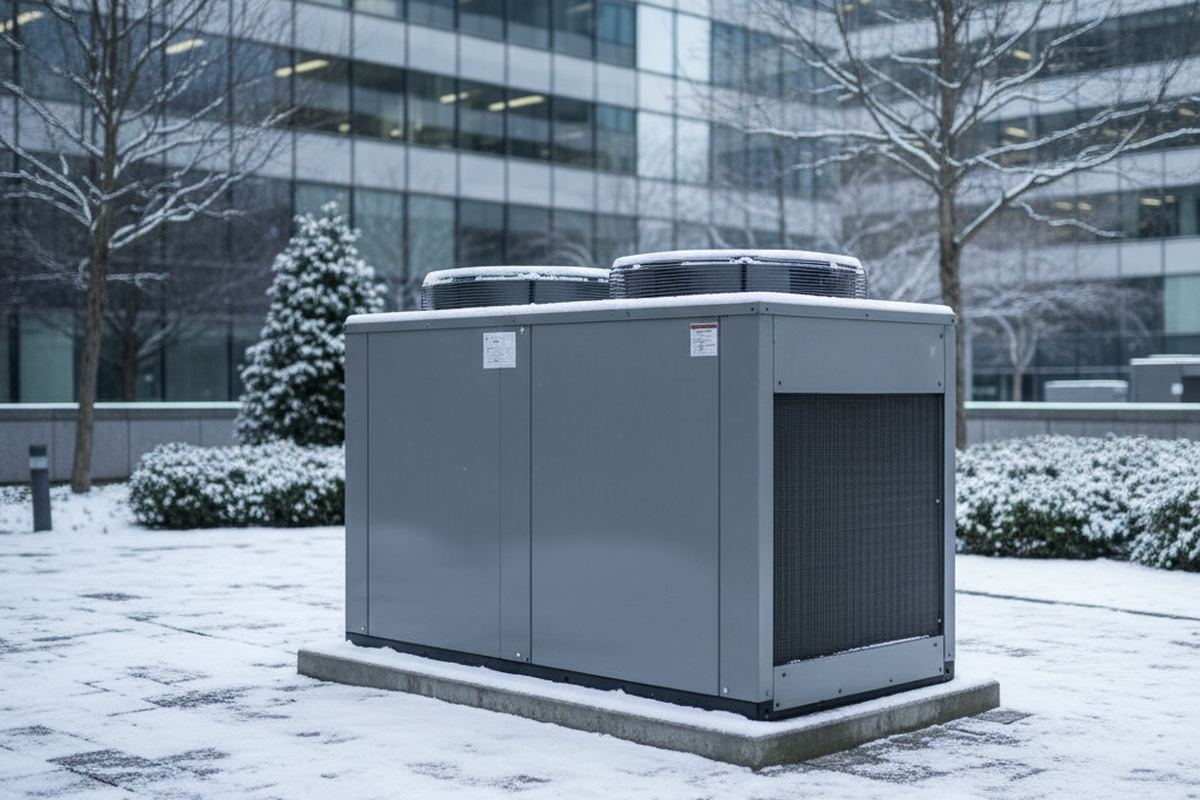
When replacing an HVAC system, homeowners often focus on matching the old unit's size, or perhaps going slightly up or down. However, when considering a heat pump, the sizing methodology shifts considerably compared to a traditional air conditioner. Understanding these differences is crucial for ensuring comfort, efficiency, and longevity of your new system. This guide will clarify why a one-to-one replacement isn't always best and how to approach heat pump sizing effectively.
Understanding Traditional AC Sizing
Traditional air conditioning units are primarily sized to handle the peak cooling load on the hottest days of the year. This involves calculating factors like square footage, insulation levels, window types, and local climate data. Oversizing an AC can lead to frequent short-cycling, which reduces efficiency, increases wear and tear, and results in poor humidity control. Undersizing, conversely, means the unit struggles to cool the home adequately during extreme heat.
The goal for AC sizing is to achieve a system that runs for longer, more consistent cycles, typically around 15-20 minutes per cycle, even on the warmest days. This allows the unit to effectively remove heat and humidity from the air. Professional load calculations, often performed using methods like Manual J, are essential to accurately determine the required British Thermal Units per Hour (BTUh) for optimal cooling performance.
The Dual Role of Heat Pumps
Heat pumps serve a dual function: they cool your home in the summer and heat it in the winter. This dual role introduces a complexity not present with AC-only systems. While the cooling component of a heat pump is sized much like a traditional AC, its heating capacity must also be carefully considered, especially in colder climates where it will be the primary heating source for much of the year.
Unlike furnaces that generate heat, heat pumps move heat. Their efficiency (Coefficient of Performance, COP) decreases as outdoor temperatures drop. This means a heat pump sized purely for cooling might be undersized for heating, or vice-versa. Proper sizing involves balancing these two demands to ensure year-round comfort and energy efficiency without over-relying on supplemental heat.
The Concept of Balance Point
A critical concept in heat pump sizing is the 'balance point.' This is the outdoor temperature at which the heat pump's heating output exactly matches your home's heat loss. Above this temperature, the heat pump can comfortably heat your home on its own. Below this temperature, the heat pump may still operate, but it will likely need assistance from a supplemental heat source, such as electric resistance coils or a gas furnace.
Identifying your home's balance point is vital for determining the appropriate heat pump size. For instance, if your heat pump's balance point is 30°F (approx. -1°C) and your winter temperatures frequently drop to 10°F (-12°C), you'll need a robust supplemental heating system. Sizing the heat pump too large to cover very low temperatures can lead to inefficient operation during milder weather and higher upfront costs.
Size your HVAC in BTUs and tons based on square footage, climate zone, insulation, and windows.
Open the HVAC Size CalculatorSizing for Cooling (Summer Load)
When sizing a heat pump for its cooling function, the principles are largely consistent with traditional AC sizing. A professional will conduct a load calculation, often using industry standards like Manual J, which considers your home's square footage, insulation, windows, ceiling height, and local climate data. The goal is to select a unit that can effectively remove heat and humidity without short-cycling.
It is generally recommended to size the cooling capacity to meet about 90% to 100% of your peak cooling load. Slight undersizing for cooling can sometimes be beneficial as it promotes longer run times, which are more effective at dehumidification. Conversely, oversizing leads to reduced efficiency and comfort due to rapid temperature drops and insufficient moisture removal.
Sizing for Heating (Winter Load)
Sizing for the heating load is where heat pumps diverge most significantly. While a heat pump can be sized to meet 100% of your heating load even on the coldest days, this often results in an oversized unit for cooling and for much of the heating season. Instead, many homeowners opt for a dual-fuel system, where the heat pump handles most of the heating, and a furnace takes over below the balance point.
A common strategy is to size the heat pump to meet 80% to 100% of your heating load down to your balance point, or to a specific design temperature, for example, 95% of the year. The supplemental heat source then covers the remaining colder periods. This approach optimizes efficiency and cost-effectiveness by allowing the heat pump to operate within its most efficient range for the majority of the year.
The Importance of Professional Load Calculations
Given the complexities of balancing cooling and heating demands, along with the unique characteristics of heat pump operation, professional load calculations are indispensable. These calculations go beyond simple square footage rules of thumb, factoring in every aspect of your home's thermal envelope and local climate. A correctly sized system will provide superior comfort, lower energy bills, and a longer lifespan.
While online tools can offer preliminary estimates, a certified HVAC technician will perform a detailed assessment, including ductwork inspection and air leakage tests, to ensure the chosen heat pump is perfectly matched to your home's specific needs. This personalized approach is the best way to avoid common sizing mistakes that can lead to discomfort or higher operational costs.
The bottom line
Sizing a heat pump requires a more nuanced approach than sizing a traditional AC unit, primarily due to its dual heating and cooling functions and the concept of a balance point. Understanding these differences and prioritizing a thorough professional load calculation will ensure your new heat pump delivers optimal comfort and efficiency throughout the year. Investing in proper sizing is an investment in your home's long-term energy performance and your family's well-being.
Get more guidance like this in your inbox
Weekly emergency-fund tactics, milestone checklists, and the next article — delivered free.
Run your own number
Get a personalized emergency fund target based on your income, expenses, and job stability.
Open the calculator