High-Efficiency HVAC Payback (SEER2 and AFUE)
The payback math on high-efficiency HVAC — SEER2 for cooling and AFUE for heating.
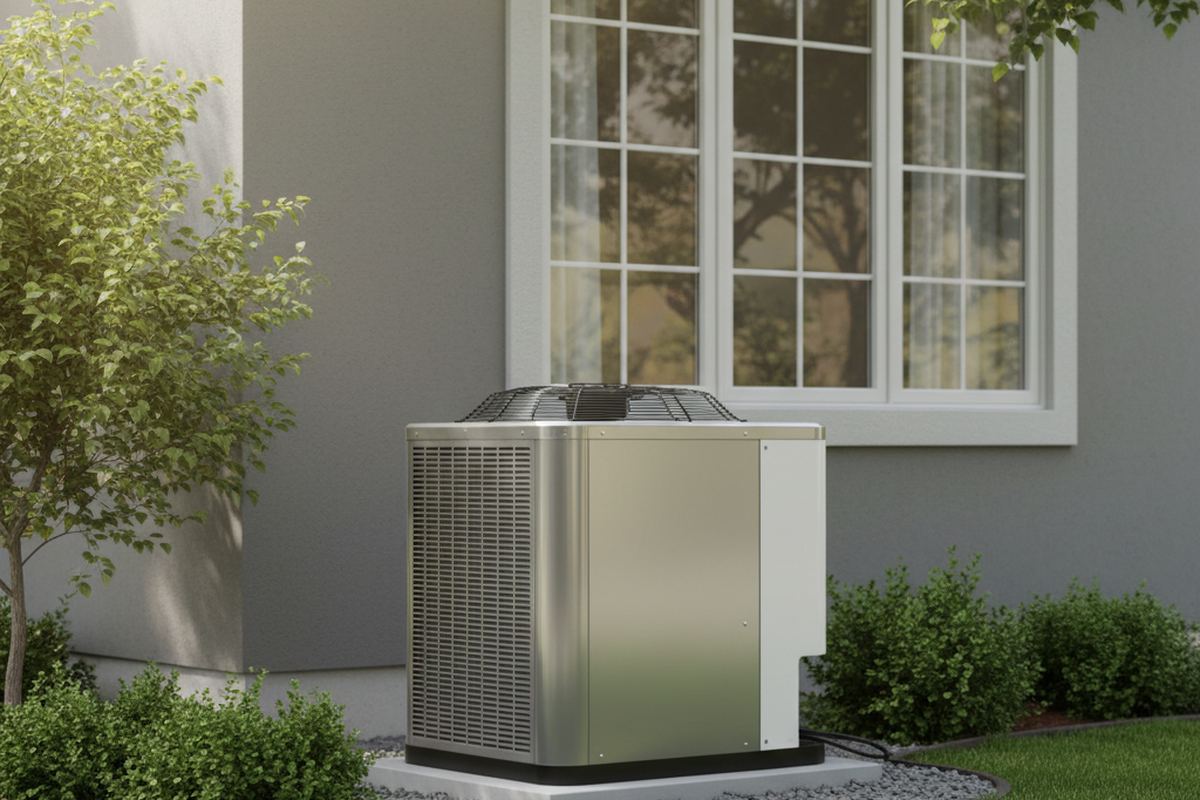
Choosing a new HVAC system involves more than just selecting a brand; it’s a significant financial decision that impacts your home's comfort and energy bills for years. Understanding the efficiency ratings, SEER2 for air conditioners and AFUE for furnaces, is crucial for making an informed choice. While high-efficiency units often have a higher upfront cost, they can lead to substantial long-term savings. This article explores the payback period for these systems, helping you determine if the investment is right for your household.
Understanding SEER2 for Air Conditioners
SEER2, or Seasonal Energy Efficiency Ratio 2, measures the cooling efficiency of air conditioning units. It reflects the total cooling output of a central air conditioner over a typical cooling season, divided by the total electric energy input during the same period. Higher SEER2 ratings indicate greater energy efficiency, meaning the unit uses less electricity to provide the same amount of cooling. As of 2023, the minimum SEER2 rating for new central air conditioners in the southern U.S. is 14.3, and 13.4 in the northern U.S.
The difference between a standard efficiency unit and a high-efficiency model can be substantial. For example, upgrading from a 13.4 SEER2 unit to a 16.0 SEER2 unit could reduce your cooling electricity consumption by approximately 15-20%. In a home with average cooling costs of $500 per year, this could translate to annual savings of $75 to $100. While these savings might seem modest initially, they accumulate over the lifespan of the unit, which typically ranges from 10 to 15 years.
- SEER2 measures cooling efficiency (cooling output / electricity input)
- Higher SEER2 = greater energy efficiency
- Minimum SEER2 varies by region (e.g., 14.3 in South, 13.4 in North for 2023 standards)
Assessing AFUE for Furnaces
AFUE, or Annual Fuel Utilization Efficiency, measures how efficiently a furnace converts fuel into usable heat over a typical heating season. An AFUE rating of 90% means that 90 cents of every dollar spent on fuel goes directly to heating your home, while the remaining 10 cents are lost up the chimney or elsewhere. The minimum AFUE for new gas furnaces in most of the U.S. is 80%, though some regions may have higher requirements. High-efficiency furnaces typically boast AFUE ratings of 90% or higher.
Upgrading from an older, less efficient furnace (e.g., 60% AFUE) to a modern high-efficiency model (e.g., 95% AFUE) can result in significant fuel savings. If your annual heating bill is $1,200 with an older unit, moving to a 95% AFUE furnace could potentially reduce that to approximately $750-$800, saving $400-$450 per year. The payback period for the higher upfront cost of a high-efficiency furnace can often be shorter than for an air conditioner, especially in colder climates with longer heating seasons.
- AFUE measures heating efficiency (heat delivered / fuel consumed)
- Higher AFUE = more efficient fuel use
- Minimum AFUE for new gas furnaces is typically 80%
Calculating Your Payback Period
To calculate the payback period, you need three key pieces of information: the upfront cost difference between a standard and high-efficiency unit, the estimated annual energy savings, and the expected lifespan of the system. For instance, if a high-efficiency AC unit costs an extra $1,500 and saves you $150 per year, the simple payback period is 10 years ($1,500 / $150).
It's important to consider that energy prices can fluctuate, impacting actual savings. Additionally, government tax credits and utility rebates can significantly reduce the initial investment, shortening the payback period. These incentives are often available for units meeting certain efficiency thresholds, so research local and federal programs when planning your purchase.
Size your HVAC in BTUs and tons based on square footage, climate zone, insulation, and windows.
Open the HVAC Size CalculatorFactors Influencing Savings
Beyond the unit's efficiency rating, several other factors influence your actual energy savings. Proper sizing of your HVAC system is paramount; an oversized unit will cycle on and off too frequently, reducing efficiency and comfort, while an undersized unit will run constantly and struggle to maintain desired temperatures. Correct installation by a qualified technician also plays a critical role in achieving rated efficiency.
Your home's insulation, window quality, and air sealing also heavily impact how much energy your HVAC system consumes. A well-sealed and insulated home will require less heating and cooling, maximizing the benefits of a high-efficiency unit. Consider combining an HVAC upgrade with home envelope improvements for the greatest energy savings.
Beyond Energy Bills: Other Benefits
While energy savings are a primary driver for choosing high-efficiency HVAC, there are other advantages to consider. Modern high-efficiency systems often incorporate advanced features like variable-speed compressors and blowers, leading to more consistent temperatures throughout your home and improved dehumidification. This enhances overall indoor comfort compared to older, single-stage units.
High-efficiency units also tend to operate more quietly, contributing to a more peaceful home environment. Furthermore, investing in an energy-efficient HVAC system can increase your home's resale value, as potential buyers often look for features that reduce ongoing utility costs. The environmental benefit of reduced energy consumption is another positive aspect.
Making an Informed Decision for 2026
When planning for a new HVAC system, especially looking towards 2026, it's wise to consider the long-term trends in energy costs and efficiency standards. While specific minimum efficiency standards for 2026 are still being finalized in some areas, the general trajectory is towards higher efficiency requirements. This means that investing in a unit above current minimums can future-proof your home and potentially offer greater savings as energy costs evolve.
Obtain multiple quotes from reputable HVAC contractors. Ensure they perform a thorough load calculation to correctly size the system for your home, rather than simply replacing your old unit with one of similar capacity. A detailed proposal should outline the upfront costs, expected efficiency ratings, and any available rebates or incentives, allowing you to make a well-informed decision for your home and budget.
Maintenance and Longevity
The actual lifespan and sustained efficiency of any HVAC system, regardless of its initial rating, depend significantly on regular maintenance. Skipping annual tune-ups can lead to a gradual decline in efficiency, increased energy consumption, and premature system failure. A well-maintained high-efficiency unit will deliver its promised savings for many years.
Schedule professional inspections and cleanings annually. This ensures components are working optimally, refrigerant levels are correct, and filters are clean. Consistent maintenance helps prevent minor issues from escalating into costly repairs and extends the overall life of your investment, maximizing your payback and comfort.
The bottom line
Evaluating the payback of high-efficiency HVAC systems involves more than just comparing price tags. By understanding SEER2 and AFUE ratings, calculating potential savings, and considering factors beyond energy bills, homeowners can make a strategic investment. Prioritize proper sizing and professional installation to ensure your new system delivers optimal comfort and long-term financial benefits.
Get more guidance like this in your inbox
Weekly emergency-fund tactics, milestone checklists, and the next article — delivered free.
Run your own number
Get a personalized emergency fund target based on your income, expenses, and job stability.
Open the calculator