High-Yield Savings for Kids: What's Realistic in 2026?
The 2026 high-yield savings options that actually make sense for kids.
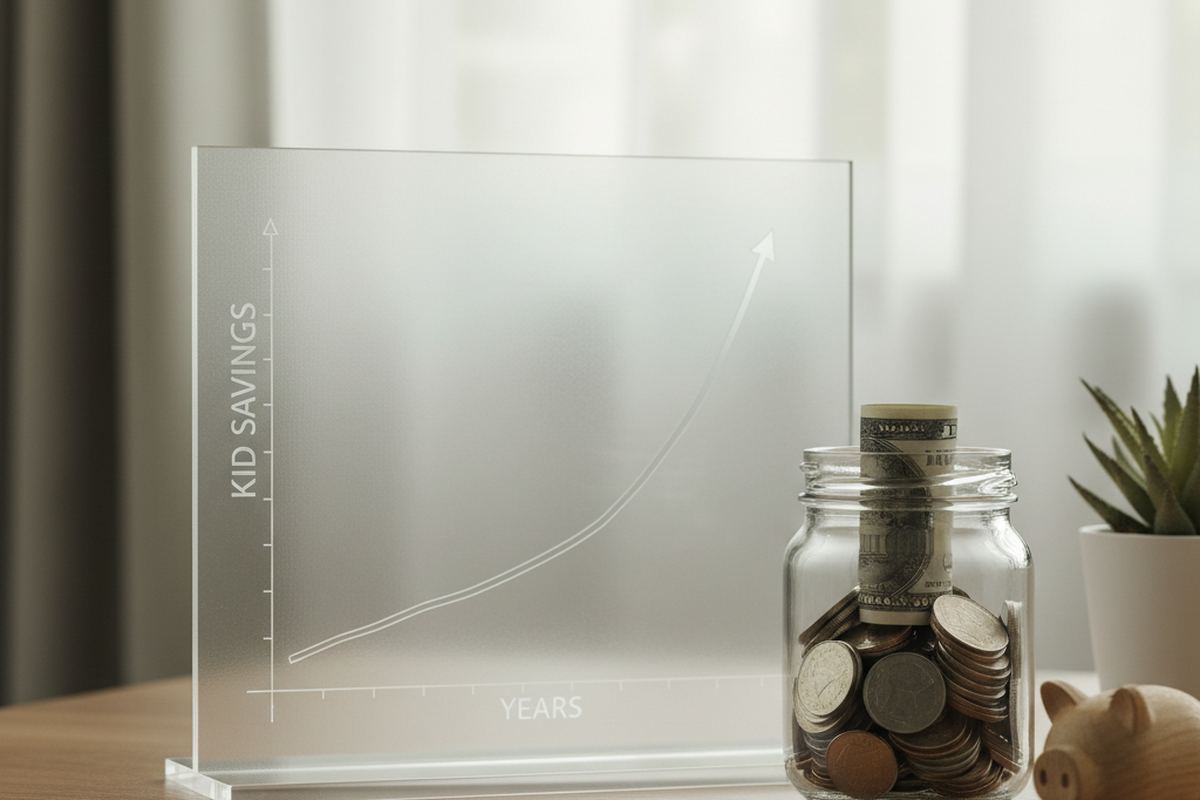
Helping children understand the value of saving early can set a strong foundation for their financial future. As parents, guiding them toward effective savings strategies is crucial. High-yield savings accounts offer a practical way to demonstrate how money can grow, even with small contributions. For 2026, understanding the realistic landscape of these accounts is key to making informed decisions that genuinely benefit your child's long-term financial literacy and growth.
Understanding High-Yield Savings Accounts for Minors
High-yield savings accounts (HYSAs) typically offer interest rates significantly higher than traditional savings accounts. When opened for a minor, these accounts usually require a parent or guardian as a joint or custodial owner. This structure allows the adult to oversee the account, manage transactions, and ensure compliance with banking regulations, while the child can still track their progress and learn about earning interest.
For 2026, many online banks are expected to continue offering competitive rates, often ranging from 3.5% to 5.0% APY, depending on market conditions. These rates can fluctuate, so it's important to monitor them periodically. While brick-and-mortar banks might offer youth accounts, their interest rates are generally lower, making online-only options often more attractive for maximizing growth.
Choosing the Right Account: Key Considerations
When selecting a high-yield savings account for a child, several factors warrant attention beyond just the interest rate. Look for accounts with no monthly maintenance fees, or easily waivable fees, to ensure that earnings aren't eroded by charges. Minimum balance requirements are another important point; some HYSAs require a certain amount to be held to earn the advertised rate or avoid fees.
Consider the accessibility of funds. While the goal is savings, occasional withdrawals for educational purchases or specific goals should be straightforward. Also, assess the bank's digital tools. A user-friendly online platform or mobile app can help your child visualize their savings growth and engage more effectively with their financial journey. Parental controls and monitoring features are also beneficial for oversight.
Realistic Growth Expectations for 2026
To illustrate, consider a child who saves $25 per month into a HYSA with a 4.0% APY. After one year, they would have contributed $300 and earned approximately $6 in interest, totaling $306. Over five years, with consistent contributions, that $1,500 contribution would grow to about $1,650, demonstrating the power of compounding even on small amounts.
These figures are based on consistent contributions and prevailing interest rates. While rates can change, these examples provide a realistic expectation for how savings can accumulate. The primary benefit for a child is not just the monetary growth but the tangible experience of seeing their money work for them, fostering a positive relationship with saving.
Turn a savings goal into a monthly plan a kid can actually stick to.
Open the Kids Savings Goal TrackerAge-Appropriate Engagement and Education
Involving your child in the saving process is crucial for their financial education. For younger children, a visual tracker or a simple spreadsheet can help them see their progress. As they get older, walking them through the online banking portal to view their balance and earned interest can be highly impactful. Explain why the interest rate matters and how it helps their money grow faster.
Discussing their savings goals, whether it's a new toy, a video game, or a college fund, provides motivation. Tying their savings to these tangible objectives makes the concept of delayed gratification more concrete. This ongoing dialogue transforms saving from a chore into an empowering habit.
Tax Implications for Minor Savings
Interest earned in a child's savings account is generally considered taxable income. For 2026, the 'Kiddie Tax' rules apply to unearned income above a certain threshold for children under 18 (or under 24 if a full-time student). The threshold for 2026 is expected to be around $1,300. Income below this amount is typically tax-free or taxed at the child's lower rate.
If a child's unearned income exceeds this threshold, the excess is taxed at the parent's marginal tax rate. It's important for parents to be aware of these rules and include any reportable interest income on their tax returns or file a separate return for the child if necessary. Consulting with a tax professional can provide personalized guidance regarding your specific situation.
Beyond Savings Accounts: Broader Financial Habits
While a high-yield savings account is an excellent starting point, encourage a broader understanding of financial responsibility. This includes distinguishing between needs and wants, understanding budgeting concepts, and even basic investing principles as they mature. The HYSA serves as a practical, low-risk introduction to the world of personal finance.
Consider matching a portion of their savings to incentivize contributions, or linking savings goals to chores or allowances. These strategies reinforce the idea that effort and patience lead to financial rewards. The lessons learned from managing a high-yield savings account can lay the groundwork for more sophisticated financial decisions in adulthood.
Safeguarding Your Child's Savings
When choosing a bank, ensure it is FDIC-insured. This means that your child's deposits, up to $250,000 per depositor, per insured bank, for each account ownership category, are protected in the event of a bank failure. This federal insurance provides peace of mind and is a non-negotiable feature for any savings vehicle.
Educate your child about online security and the importance of keeping their account information private, even if they only have viewing access. While parental oversight is key, instilling these safety habits early is beneficial. Regularly review account statements with your child to ensure accuracy and to continue the educational process.
The bottom line
Establishing a high-yield savings account for your child in 2026 is a tangible step toward building their financial literacy. By choosing the right account, setting realistic expectations, and actively engaging them in the process, you can provide a powerful learning experience. This foundation will equip them with essential skills for managing money responsibly throughout their lives.
Get more guidance like this in your inbox
Weekly emergency-fund tactics, milestone checklists, and the next article — delivered free.
Run your own number
Get a personalized emergency fund target based on your income, expenses, and job stability.
Open the calculator