HVAC Zoning: Cost, Benefit, and When It's Worth It
The cost of HVAC zoning vs the comfort and energy benefits — with a payback formula.
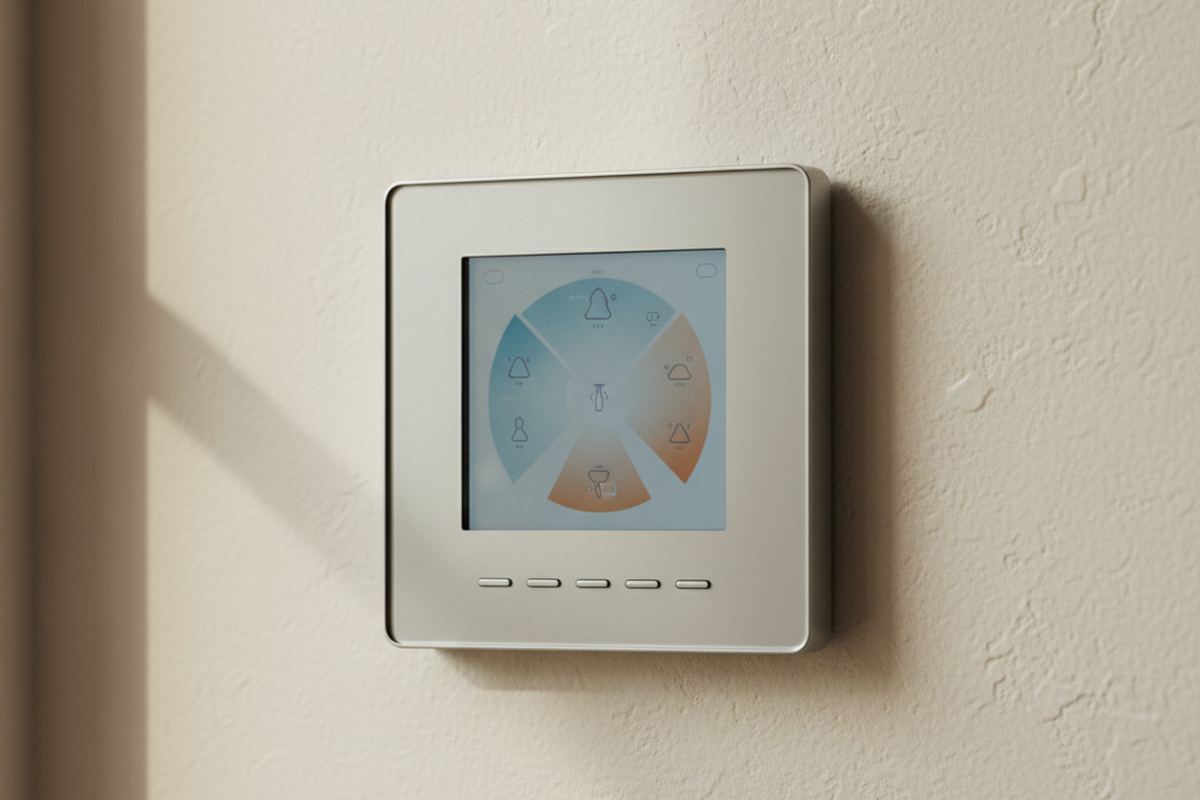
HVAC zoning systems offer a compelling solution for homeowners seeking to optimize comfort and energy efficiency. By dividing your home into distinct temperature zones, you can tailor heating and cooling to specific areas, preventing energy waste in unoccupied rooms. This approach not only enhances personal comfort but can also lead to significant reductions in utility bills. Understanding the initial investment versus the long-term savings is crucial for determining if zoning is the right upgrade for your home.
Understanding How HVAC Zoning Works
HVAC zoning involves installing motorized dampers within your ductwork, controlled by individual thermostats in different areas of your home. When a thermostat calls for heating or cooling, the system directs conditioned air only to that specific zone by opening the corresponding dampers and closing others. This targeted delivery prevents the conditioned air from flowing into areas that do not require it, such as an unused guest bedroom or a basement that naturally stays cooler.
The central control panel coordinates these actions, ensuring that the main HVAC unit operates efficiently to meet the demands of active zones. For instance, if only the upstairs bedrooms need cooling at night, the system can focus its energy there, rather than cooling the entire first floor unnecessarily. This precise control over air distribution is the foundation of zoning's energy-saving potential and improved comfort.
Typical Costs for HVAC Zoning Installation
The cost of installing an HVAC zoning system varies significantly based on factors like the number of zones, the complexity of your existing ductwork, and whether you're integrating it with a new or existing HVAC unit. For a typical home, expect costs to range from approximately $2,000 to $5,000 for a two to four-zone system. This estimate generally includes the dampers, thermostats, control panel, and labor for installation.
Homes with more complex layouts, older ductwork requiring modifications, or those needing more than four zones can see costs rise further. If you are installing a new HVAC system, integrating zoning from the outset can sometimes be more cost-effective as it allows for optimized ductwork design and simpler installation of the necessary components. Always obtain multiple quotes from qualified HVAC professionals to ensure accurate pricing for your specific situation.
Energy Savings and Payback Period
One of the primary benefits of HVAC zoning is the potential for substantial energy savings. By only heating or cooling the areas that need it, homeowners can reduce their HVAC system's operational time and overall energy consumption. Many homeowners report energy bill reductions ranging from 10% to 30% after installing a zoning system, though actual savings depend on usage patterns, climate, and the efficiency of the existing HVAC unit.
To estimate the payback period, consider a system costing $3,500 with an average annual energy savings of $300. The simple payback period would be approximately 11 to 12 years ($3,500 / $300). However, this calculation does not account for increased home comfort or potential increases in property value. It's important to weigh these financial savings against the enhanced living environment that zoning provides.
Size your HVAC in BTUs and tons based on square footage, climate zone, insulation, and windows.
Open the HVAC Size CalculatorEnhanced Comfort and Home Value
Beyond energy savings, HVAC zoning significantly improves indoor comfort. Homes often have areas that are naturally warmer or cooler due to sun exposure, insulation levels, or window placement. Zoning allows you to set different temperatures for these areas, eliminating hot and cold spots and ensuring consistent comfort throughout your home. This is particularly beneficial for multi-story homes or those with diverse living spaces.
The ability to customize temperatures in different rooms also caters to individual preferences, reducing arguments over the thermostat. Furthermore, a well-designed zoning system can be an attractive feature to potential buyers, potentially increasing your home's market value. It signals a modern, energy-efficient home that prioritizes comfort and smart technology.
When HVAC Zoning is a Smart Investment
HVAC zoning is particularly beneficial for homes with specific characteristics. These include multi-level homes where heat rises, creating temperature disparities between floors, or homes with large, open-concept areas that are difficult to heat or cool uniformly. Properties with unoccupied rooms that don't require constant conditioning, like a home office used only during business hours or a guest suite, also benefit greatly.
Consider zoning if you frequently experience uncomfortable temperature differences between rooms or floors, or if your current energy bills for heating and cooling are exceptionally high. It's also an excellent upgrade if you are already replacing your entire HVAC system, as integration can be more seamless and potentially less expensive during a larger project. However, if your home is small and open-plan with minimal temperature variations, the investment might not yield significant returns.
- Multi-story homes with noticeable temperature differences.
- Homes with frequently unoccupied rooms.
- Large homes with diverse living spaces (e.g., sunrooms, basements).
- Homeowners seeking precise temperature control for individual comfort.
- High energy bills due to inefficient heating/cooling of entire home.
Key Considerations Before Installation
Before committing to an HVAC zoning system, several factors warrant careful consideration. First, assess the condition of your existing ductwork. Leaky or poorly designed ducts can undermine the efficiency of a zoning system, as conditioned air will escape before reaching its intended zone. An HVAC professional should inspect your ductwork for integrity and proper sizing to support zoned airflow.
Second, ensure your current HVAC unit is compatible with zoning. While many modern systems can be adapted, older or undersized units may struggle to handle the variable airflow demands of a zoned system, potentially leading to premature wear or inefficient operation. A professional assessment will confirm compatibility and recommend any necessary upgrades to your existing equipment, ensuring optimal performance and longevity.
The bottom line
HVAC zoning offers a compelling blend of enhanced comfort and energy savings for many homeowners. By understanding the installation costs, potential energy reductions, and specific benefits for your home's layout, you can make an informed decision. Consult with qualified HVAC professionals to determine if a zoning system is the right upgrade to optimize your indoor climate and reduce utility expenses.
Get more guidance like this in your inbox
Weekly emergency-fund tactics, milestone checklists, and the next article — delivered free.
Run your own number
Get a personalized emergency fund target based on your income, expenses, and job stability.
Open the calculator