Kentucky Bluegrass Sod: When It's Worth the Premium
Where Kentucky bluegrass sod outperforms and when a tall fescue blend is the smarter buy.
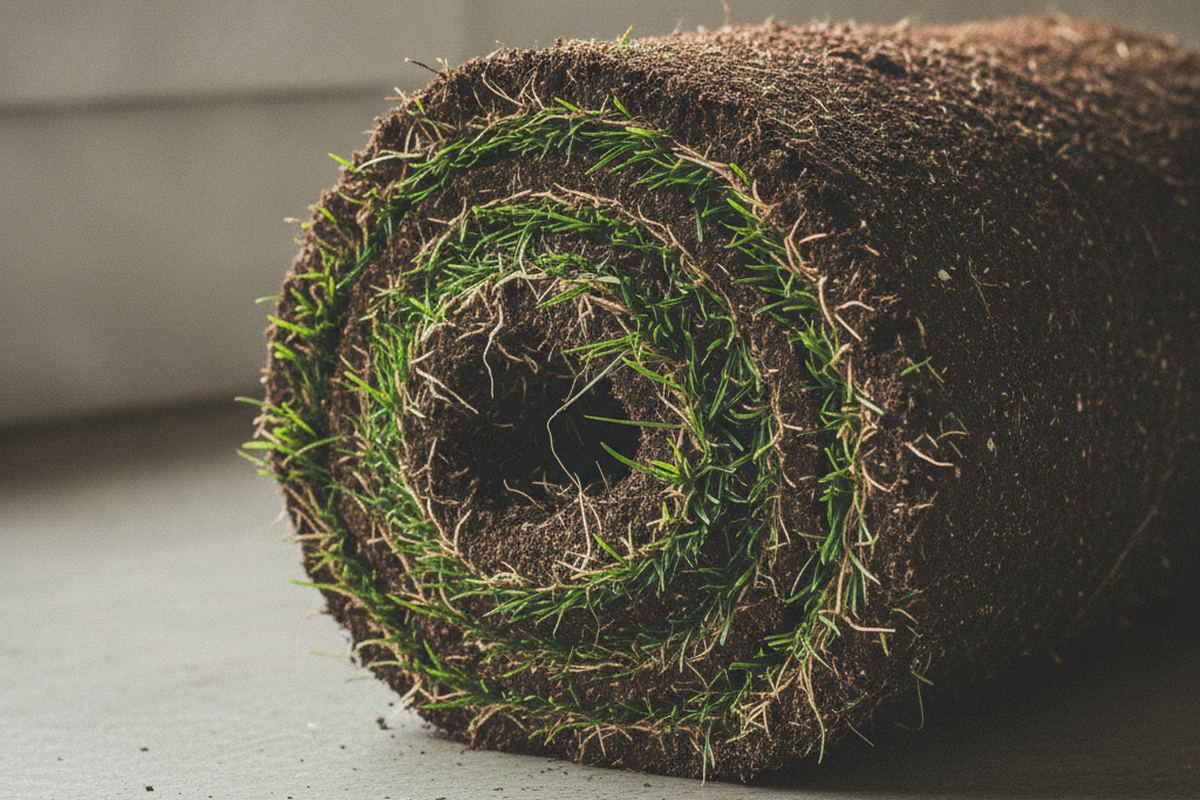
Kentucky bluegrass is often considered the gold standard for lush, green lawns, especially in cooler climates. Its fine texture and vibrant color are highly desirable, creating a visually appealing landscape. However, this premium turfgrass also comes with specific requirements and a higher cost compared to other varieties. Understanding when Kentucky bluegrass truly delivers superior performance and when an alternative might be a more practical choice can help homeowners make an informed decision for their property.
Understanding Kentucky Bluegrass Characteristics
Kentucky bluegrass is renowned for its dense, carpet-like appearance and excellent cold hardiness. It spreads primarily through rhizomes, which are underground stems, allowing it to self-repair and fill in bare spots over time. This characteristic contributes to a very uniform and resilient lawn surface, capable of withstanding moderate foot traffic once established. Its recovery from dormancy in spring is also quite vigorous, quickly greening up with warmer temperatures.
However, Kentucky bluegrass also has a higher demand for water and nutrients compared to other common turfgrasses. It typically requires about 1 to 1.5 inches of water per week, either from rainfall or irrigation, especially during dry periods. It also benefits from a consistent fertilization schedule to maintain its density and color. These factors contribute to a higher maintenance regimen and potentially increased utility costs over the long term.
Optimal Climate and Sun Exposure for Kentucky Bluegrass
Kentucky bluegrass thrives in cool-season climates, making it ideal for the northern two-thirds of the United States. It prefers full sun exposure, ideally receiving at least six hours of direct sunlight per day. While it can tolerate some partial shade, prolonged periods of deep shade will lead to thinning and weakened turf, making it more susceptible to disease and weeds. Homeowners in transitional zones may find it challenging to maintain bluegrass during hot, humid summers.
For properties with significant shaded areas, especially under mature trees or on north-facing slopes, a different grass type or a blend might be more appropriate. For example, a fine fescue or a tall fescue blend often performs better in lower light conditions. Assessing your property's specific sun patterns throughout the day is a crucial first step before committing to Kentucky bluegrass sod.
When the Premium Price Justifies the Investment
The higher cost of Kentucky bluegrass sod is often justified when the aesthetic appeal and desired level of quality are paramount. If you are aiming for a showpiece lawn with a deep green color and fine texture, and you are prepared for the necessary maintenance, then Kentucky bluegrass is an excellent choice. Its ability to self-repair also makes it suitable for lawns that will experience moderate activity, such as family recreation or entertaining.
Consider Kentucky bluegrass if your property is in a suitable climate, has ample sunlight, and you have the time or resources for consistent watering and feeding. For new constructions or complete lawn renovations where a pristine, uniform look is desired from day one, the instant gratification and high quality of Kentucky bluegrass sod can outweigh the initial investment. It truly excels when conditions are optimal.
Estimate sod pallets, rolls, and total install cost for your yard — with delivery and prep budget.
Open the Sod CalculatorWhen Tall Fescue Offers a Smarter Alternative
For many homeowners, a tall fescue blend can be a more practical and cost-effective alternative to Kentucky bluegrass. Tall fescue is known for its deep root system, which makes it significantly more drought-tolerant and less demanding of irrigation once established. It also exhibits better shade tolerance than Kentucky bluegrass, making it a versatile option for lawns with varying light conditions.
While tall fescue may not have the same fine texture as Kentucky bluegrass, modern varieties offer a very attractive and durable lawn. It typically requires less fertilizer and can withstand higher levels of foot traffic. For homeowners seeking a lower-maintenance lawn that still looks good and performs well under a wider range of conditions, especially in transitional climates or areas prone to drought, tall fescue is often the smarter buy.
Installation Considerations for Kentucky Bluegrass Sod
Proper site preparation is critical for the successful establishment of Kentucky bluegrass sod. This includes clearing the area of debris, ensuring good drainage, and amending the soil to achieve optimal nutrient levels and pH. The soil should be graded to prevent water pooling and provide a smooth surface for the sod. Skipping these steps can lead to poor root establishment and a less healthy lawn.
When laying Kentucky bluegrass sod, it is important to do so promptly after delivery to prevent drying out. The individual sod rolls should be laid tightly together, staggering the seams like brickwork. After installation, immediate and consistent watering is essential for the first few weeks to encourage deep rooting. Monitoring soil moisture and adjusting irrigation as needed will ensure the sod establishes successfully.
Long-Term Maintenance and Cost Implications
Maintaining a Kentucky bluegrass lawn involves a commitment to regular care. This includes consistent watering, especially during dry spells, and a robust fertilization program, typically 3-4 applications per year. Mowing heights should generally be kept between 2.5 to 3 inches, and never remove more than one-third of the blade at a time. Overseeding may be necessary periodically to maintain density.
The annual cost of maintaining Kentucky bluegrass can be higher due to increased water usage, fertilizer expenses, and potential pest or disease treatments if cultural practices are not ideal. While the initial sod cost is a factor, considering the ongoing operational costs over several years provides a more complete picture of the total investment. Evaluate your budget and willingness to commit to this level of maintenance before making your final decision.
The bottom line
Choosing the right sod for your home involves weighing aesthetic desires against practical considerations like climate, sun exposure, and maintenance commitment. While Kentucky bluegrass offers a premium look for ideal conditions, a tall fescue blend often provides a more resilient and lower-maintenance solution for many homeowners. Carefully assess your specific property and lifestyle to select the turfgrass that best meets your needs.
Get more guidance like this in your inbox
Weekly emergency-fund tactics, milestone checklists, and the next article — delivered free.
Run your own number
Get a personalized emergency fund target based on your income, expenses, and job stability.
Open the calculator