Large Format Tile: Cost, Install Difficulty, and When It Pays Off
Why 24x48 inch tiles command a premium install rate and where they save on long-term grout maintenance.
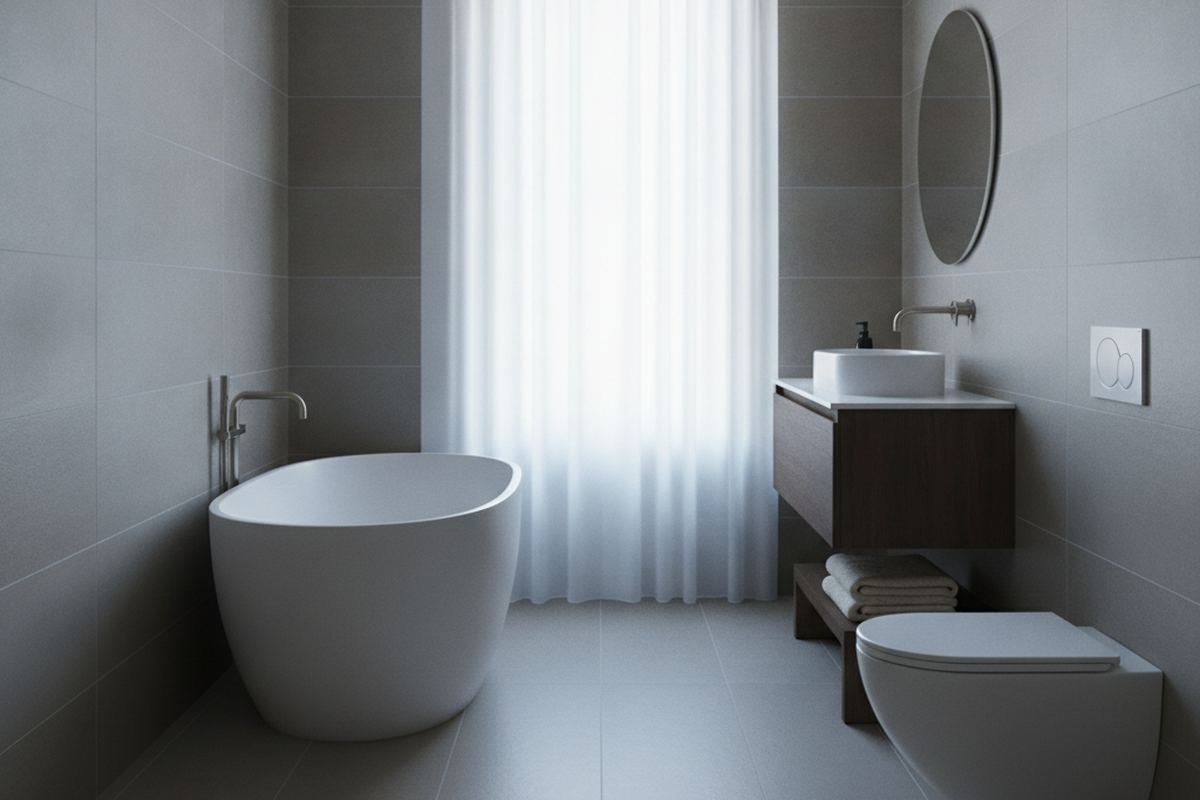
Large format tiles, typically defined as any tile with at least one edge 15 inches or longer, have become a popular choice for both residential and commercial projects. Their expansive surfaces can create a sense of spaciousness and reduce grout lines, offering a sleek, modern aesthetic. However, working with these larger tiles presents unique challenges and cost considerations compared to standard-sized options. Understanding these factors is crucial for project planning and budgeting.
Understanding Large Format Tile Dimensions and Types
While any tile exceeding 15 inches on one side technically qualifies as large format, common sizes include 12x24, 24x24, 24x48, and even larger slabs like 36x36 or 48x96 inches. These tiles are available in various materials, including porcelain, ceramic, and natural stone. Porcelain is particularly prevalent due to its durability, low porosity, and ability to mimic other materials like wood or marble, making it suitable for both floors and walls.
The material choice significantly impacts both the tile's weight and its installation requirements. Thicker, denser porcelain or natural stone large format tiles are much heavier per square foot than smaller, thinner ceramic tiles. This weight necessitates more robust setting materials and often specialized handling equipment, contributing to increased labor and material costs.
Material Costs: A Premium for Size and Quality
The per-square-foot cost of large format tiles generally exceeds that of standard tiles. For example, a basic 12x12 ceramic tile might range from $1.50 to $3.00 per square foot, while a good quality 24x48 porcelain large format tile could cost $4.00 to $12.00 per square foot, with premium options reaching $15.00 or more. Natural stone large format tiles will often be at the higher end of this range.
Beyond the tile itself, associated material costs also rise. Because large format tiles are heavier and require superior adhesion, more expensive, high-performance thin-set mortars are essential. These specialized mortars, often rated for large and heavy tile (LHT), are typically 20-50% more expensive per bag than standard thin-set. Additionally, more leveling clips and wedges are frequently used to ensure a perfectly flat surface, adding to the overall material budget.
Installation Complexity and Labor Rates
Installing large format tiles is considerably more labor-intensive and requires a higher skill set than installing smaller tiles. The sheer size and weight make them awkward to handle, cut, and set without breaking. Achieving a perfectly level and lippage-free surface, especially with rectified edges, demands meticulous attention to detail and a precise subfloor or wall preparation.
Professional installers typically charge a premium for large format tile projects. While standard tile installation might range from $5 to $10 per square foot for labor, large format tile installation can command $10 to $25 per square foot or even higher, depending on the tile size, complexity of the pattern, and regional labor rates. This reflects the increased time, specialized tools, and expertise involved.
Calculate how many tiles you need — with pattern waste, thinset, and grout coverage included.
Open the Tile CalculatorSubfloor and Wall Preparation: A Critical Step
Proper substrate preparation is paramount for large format tile installations. Any imperfections in the subfloor or wall will be magnified by the large tile size, leading to lippage (uneven tile edges) or even tile failure. Subfloors must be extremely flat, often requiring additional leveling compounds or underlayment. For walls, surfaces must be plumb and structurally sound to support the added weight.
This often means additional costs for materials like self-leveling compounds, cement board, or specialized membranes. Neglecting proper preparation can lead to costly repairs down the line, as large format tiles are less forgiving of substrate irregularities. Budgeting for thorough preparation is an investment in the longevity and appearance of the tiled surface.
Specialized Tools and Techniques
DIYers attempting large format tile projects will find that standard tiling tools are often insufficient. Specialized equipment is frequently necessary, including large format tile cutters, heavy-duty suction cups for handling, advanced leveling systems, and larger notched trowels to ensure full mortar coverage. Renting or purchasing these tools adds to the project cost.
Professional installers invest in these tools and possess the techniques to use them effectively. These techniques include back-buttering each tile to ensure 100% mortar coverage and using a 'medium bed' or LHT mortar specifically formulated to support heavy tiles and minimize slumping.
Long-Term Benefits: Reduced Grout Maintenance
Despite the higher upfront costs, large format tiles offer significant long-term advantages, particularly in terms of maintenance. Fewer, thinner grout lines mean less surface area for dirt, grime, and mildew to accumulate. This translates to easier cleaning and less frequent need for grout sealing or repair.
The expansive, seamless appearance also enhances the aesthetic value of a space, often increasing property appeal. While the initial investment is higher, the reduced maintenance burden and contemporary look can provide value over the lifespan of the installation, making large format tiles a worthwhile consideration for many projects.
The bottom line
Large format tiles offer a sophisticated aesthetic and practical benefits like reduced grout maintenance, but they come with increased material and labor costs due to their size and installation complexity. Thorough planning, accurate material estimation, and skilled installation are critical for a successful project. Carefully assess your budget and the specific requirements of your space before committing to large format tile.
Get more guidance like this in your inbox
Weekly emergency-fund tactics, milestone checklists, and the next article — delivered free.
Run your own number
Get a personalized emergency fund target based on your income, expenses, and job stability.
Open the calculator