Outdoor Tile in Cold Climates: The Freeze-Thaw Rules
Which tile ratings, thinsets, and install methods survive freeze-thaw cycles.
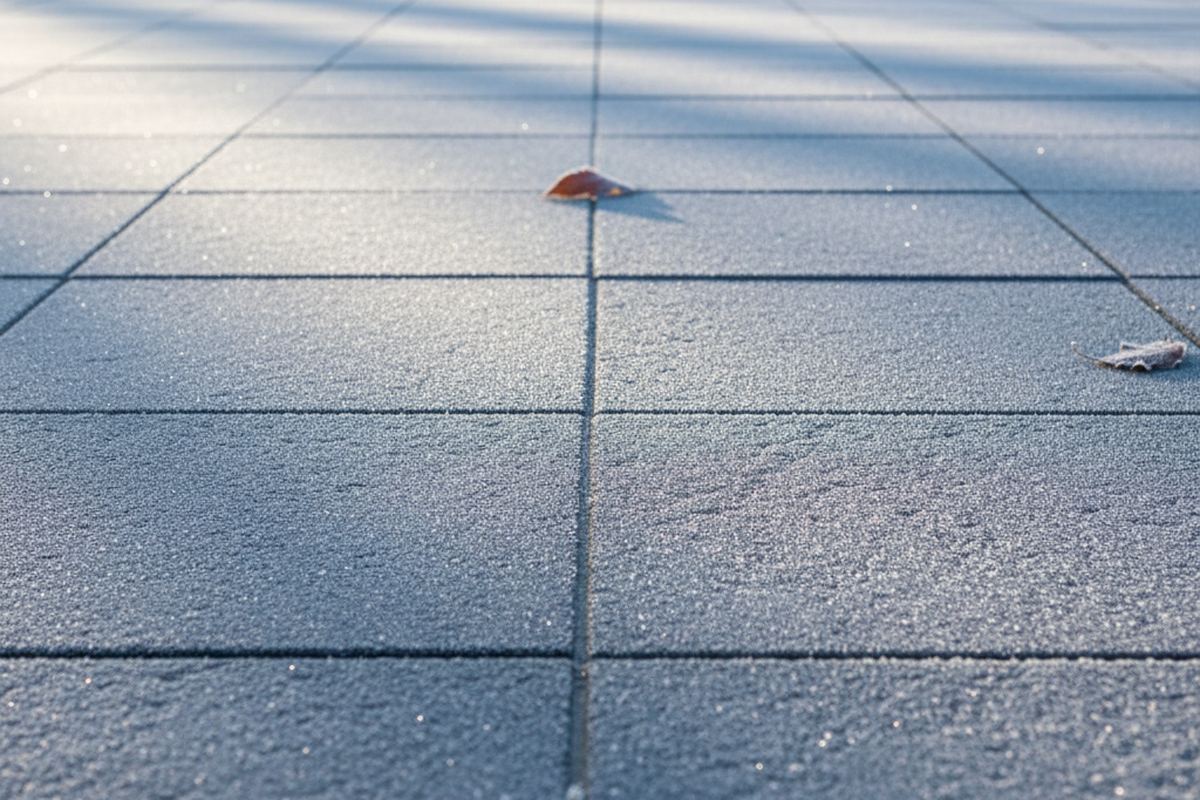
Installing outdoor tile in regions with freezing temperatures requires careful planning to prevent costly failures. The freeze-thaw cycle, where water repeatedly freezes, expands, and thaws within and around tile, can cause cracking, spalling, and adhesion loss if the wrong materials or methods are used. Understanding the specific properties of tile, thinset, and grout designed for these conditions is crucial. This guide provides essential information for ensuring your outdoor tile installation withstands the rigors of cold climates for years to come.
Choosing the Right Tile: Porosity and Durability
The most critical factor for outdoor tile in cold climates is its water absorption rate. Tiles with low porosity absorb less water, making them less susceptible to damage from ice expansion. Porcelain tile, with a water absorption rate typically below 0.5%, is an excellent choice due to its dense, vitrified body. Glazed porcelain also offers an impermeable surface, further protecting against moisture intrusion.
Other suitable options include certain natural stones like granite or slate, provided they are rated for outdoor use in freezing conditions and properly sealed. Always check the manufacturer's specifications for freeze-thaw durability ratings. Avoid ceramic tiles or highly porous natural stones, as these are very likely to fail when exposed to repeated freezing and thawing cycles, leading to cracking and delamination.
- Porcelain tile: Water absorption < 0.5%
- Granite/Slate: Ensure freeze-thaw rated and sealed
- Avoid: Ceramic, high-porosity natural stone
Substrate Preparation: The Foundation of Success
A stable, properly prepared substrate is paramount for outdoor tile. The substrate must be sloped away from any structures at a minimum of 1/4 inch per foot to ensure adequate drainage and prevent water pooling. For concrete slabs, ensure they are fully cured (typically 28 days) and free of cracks, dirt, oil, or sealers that could inhibit adhesion. Any existing cracks should be repaired with appropriate crack isolation membranes.
For wood decks, a rigid, exterior-grade plywood or cement board underlayment is necessary, along with a waterproof membrane. The substrate must be structurally sound and able to handle the weight of the tile. Proper substrate preparation prevents movement and moisture infiltration, which are primary causes of tile failure in outdoor applications.
Waterproofing and Drainage: Essential Protection
Even with low-porosity tile, a robust waterproofing system is essential for outdoor installations in cold climates. A liquid-applied or sheet-applied waterproofing membrane should be installed over the prepared substrate. This barrier prevents water from reaching the substrate, protecting it from freeze-thaw damage and mitigating efflorescence, a common issue where mineral salts leach through the grout.
Effective drainage is equally important. In addition to sloping the substrate, consider incorporating weep holes or perimeter drainage systems, especially for elevated decks or patios. These measures ensure that any water that penetrates the grout or surface is quickly evacuated, preventing accumulation and subsequent freeze damage.
Calculate how many tiles you need — with pattern waste, thinset, and grout coverage included.
Open the Tile CalculatorChoosing the Right Thinset: Polymer-Modified Adhesion
Standard thinsets are not suitable for outdoor use in freezing climates. You must select a polymer-modified thinset mortar specifically rated for exterior applications and freeze-thaw stability. These thinsets contain additives that provide increased flexibility, bond strength, and resistance to moisture and temperature fluctuations. Look for products that meet or exceed ANSI A118.4 or ANSI A118.15 standards.
For large format tiles (generally 15 inches or larger on any side), use a medium-bed or large-and-heavy-tile (LHT) mortar to ensure full coverage and prevent lippage. Proper trowel selection and technique are critical to achieve at least 95% mortar coverage under each tile, eliminating voids where water could collect and freeze, leading to tile pop-offs.
Grout Selection and Application: Flex and Seal
Just like thinset, not all grouts are created equal for outdoor, cold-climate use. Opt for a polymer-modified, sanded grout that is rated for exterior applications and freeze-thaw resistance. These grouts offer superior flexibility and durability compared to standard cementitious grouts, accommodating slight movements caused by temperature changes without cracking. Epoxy grouts are also an option, offering excellent chemical and water resistance.
After curing, ensure the grout is properly sealed with a high-quality penetrating sealer. This step provides an additional layer of protection against water absorption, staining, and efflorescence. Reapply the sealer periodically as recommended by the manufacturer to maintain its effectiveness, typically every 1-3 years depending on traffic and exposure.
Installation Best Practices: Temperature and Expansion
Install outdoor tile only when ambient and substrate temperatures are within the manufacturer's recommended range, typically between 40°F (4°C) and 90°F (32°C). Installing in extreme cold can compromise thinset curing, while extreme heat can cause premature drying. Allow sufficient curing time for thinset and grout before exposing the installation to foot traffic or freezing temperatures, often several days to a week.
Incorporate expansion joints (movement joints) at appropriate intervals, typically every 8-12 feet in each direction, and wherever the tile abuts a different surface or changes plane. These joints, filled with an exterior-grade elastomeric sealant, accommodate the expansion and contraction of the tile assembly due to temperature fluctuations, preventing compressive stress that can lead to buckling or cracking.
The bottom line
Successfully tiling outdoors in cold climates demands attention to detail and the use of specialized materials. By selecting low-porosity tiles, preparing a stable and waterproof substrate, and using polymer-modified thinsets and grouts, you can create a durable and beautiful installation. Following these guidelines will help ensure your outdoor tiled surface withstands repeated freeze-thaw cycles and remains intact for many seasons.
Get more guidance like this in your inbox
Weekly emergency-fund tactics, milestone checklists, and the next article — delivered free.
Run your own number
Get a personalized emergency fund target based on your income, expenses, and job stability.
Open the calculator