Packing Timeline Before Your Move (8 Weeks Out)
The 8-week packing timeline that avoids the last-minute panic.
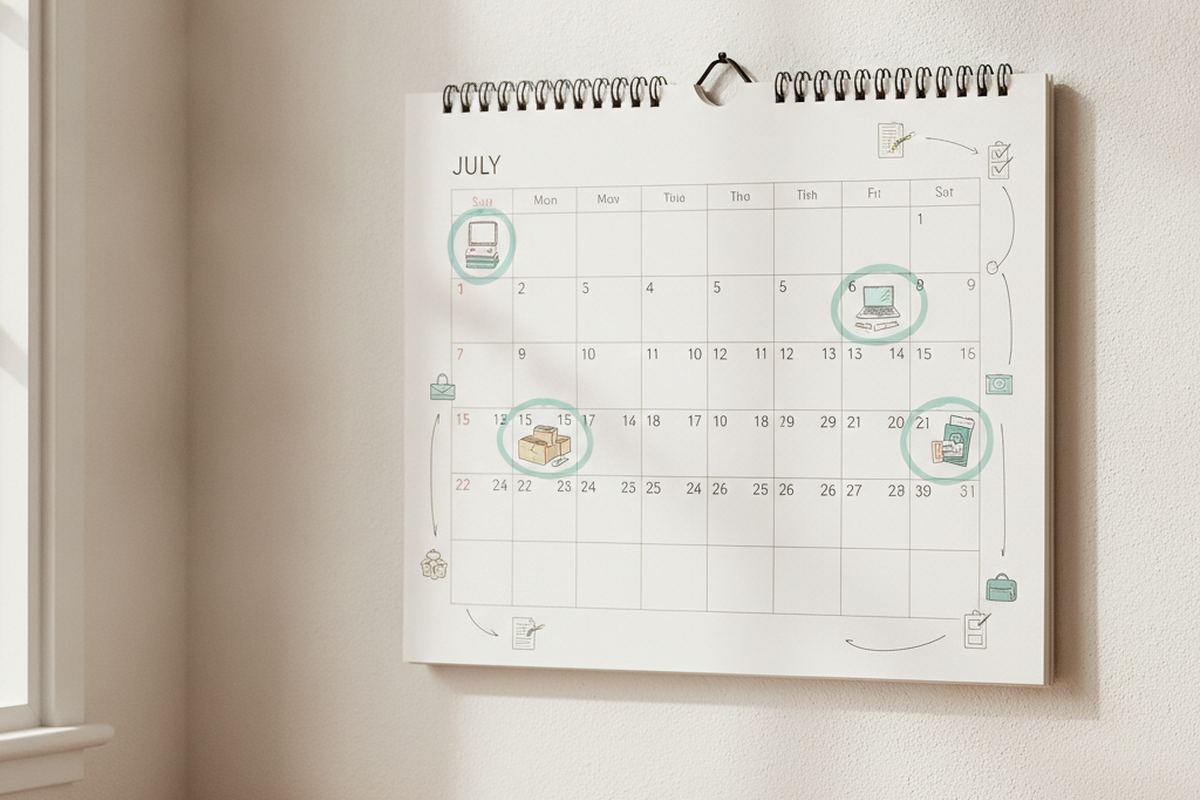
Moving can feel overwhelming, but a well-structured packing timeline transforms chaos into an organized process. Starting eight weeks out allows for a methodical approach, reducing stress and ensuring nothing is overlooked. This guide breaks down the packing journey into manageable weekly tasks, helping you systematically prepare your belongings for a smooth transition to your new home. By following a clear schedule, you can avoid the common pitfalls of last-minute rushing and enjoy a more relaxed moving experience.
Week 8: Declutter and Plan Early
The first step in any efficient move is decluttering. Begin by going through each room, identifying items you no longer need, use, or want. This includes clothing, old electronics, books, and decor. Consider donating, selling, or discarding these items. Reducing your possessions now means less to pack, less to move, and less to unpack later, saving both time and potential moving costs.
Simultaneously, start planning your packing strategy. Decide which rooms you'll tackle first and gather essential packing supplies like sturdy boxes in various sizes, packing tape, bubble wrap, and markers. Creating an inventory list, even a rough one, can also be beneficial at this stage. Think about specialized items that might require professional packing or extra care.
Week 7: Tackle Non-Essentials and Storage
With the decluttering process underway, focus on packing non-essential items. These include seasonal decorations, guest room linens, books you've already read, and any items stored in the attic, garage, or basement. These areas often hold the most forgotten or least-used items, making them ideal starting points for packing without disrupting daily life. Label boxes clearly with their contents and the room they belong to.
This week is also a good time to assess any items you might want to put into storage, either temporarily or long-term. If you're downsizing or have a gap between moving out and moving into your new home, arranging for a storage unit now can prevent last-minute scrambling. Factor in the cost and logistics of storage as part of your overall moving budget.
Week 6: Organize Valuables and Important Documents
Now is the time to gather and organize all important documents and valuables. This includes birth certificates, passports, social security cards, financial records, insurance policies, and sentimental items like old photos or jewelry. Do not pack these with general household items. Instead, create a designated 'essentials box' or bag that will travel with you personally.
Consider making digital copies of critical documents for an extra layer of security. For high-value items, ensure they are properly insured for the move. Discuss coverage options with your moving company or your homeowner's insurance provider. Creating a separate, detailed inventory of these items with photographs can be helpful for insurance purposes.
Estimate DIY vs full-service moving cost by home size, distance, and services — with tip and insurance.
Open the Moving Cost CalculatorWeek 5: Kitchen and Dining Room Prep
The kitchen and dining room often contain numerous fragile and frequently used items. Begin by packing less-used kitchenware, such as specialty appliances, serving dishes, and seasonal bakeware. Use plenty of packing paper and bubble wrap for fragile items, packing plates on their sides for better protection. Clearly label boxes as 'fragile' and indicate the room.
Start to use up perishable food items in your pantry and refrigerator. This reduces waste and ensures you don't have to transport open containers. Plan your meals for the remaining weeks to minimize grocery shopping and consume existing inventory. Identify any non-perishable foods you might wish to donate to a local food bank.
Week 4: Bedrooms and Bathrooms
Move on to bedrooms, starting with off-season clothing, extra linens, and decorative items. For clothes still in use, consider wardrobe boxes from your moving company to simplify packing and unpacking. Pack toiletries and bathroom essentials that aren't used daily. Remember to secure lids on all liquids to prevent spills.
This is also a good opportunity to consider what furniture might need disassembly. If you plan to do it yourself, gather the necessary tools. If your movers will handle it, confirm their services and schedule. Ensure you have a plan for bedding and towels for your final night and first night in the new home, keeping them separate and easily accessible.
Week 3: Living Areas and Final Checks
With most rooms addressed, focus on living room items like books, DVDs, and decor. Keep a 'first-night box' ready with essentials for immediate use upon arrival, such as basic tools, a change of clothes, toiletries, and snacks. This box should travel with you, not on the moving truck.
Conduct a thorough walkthrough of your home, checking closets, drawers, and forgotten corners for any remaining items. Double-check that all boxes are clearly labeled with contents and destination rooms. Confirm arrangements with your moving company, including arrival times and payment methods. Finalize plans for utilities at both your old and new residences.
Week 2 - Moving Week: Essentials and Last Details
During the final week, pack only what you absolutely need until moving day. This includes a small bag of clothes, essential toiletries, medications, and device chargers. Defrost and clean your refrigerator and freezer a few days before the move. Confirm utility disconnections and reconnections.
On moving day, ensure you have your 'essentials box' or bag with you. Do a final sweep of every room, including built-in cabinets and appliances, to ensure nothing is left behind. Be present to answer any questions from the movers and direct them as needed. Once the truck is loaded, do one last walk-through, locking all windows and doors.
The bottom line
Following an 8-week packing timeline can transform a potentially stressful event into a manageable project. By breaking down the tasks into smaller, weekly goals, you maintain control and reduce last-minute panic. This methodical approach not only saves time and effort but also helps safeguard your belongings and ensures a smoother, more organized relocation.
Get more guidance like this in your inbox
Weekly emergency-fund tactics, milestone checklists, and the next article — delivered free.
Run your own number
Get a personalized emergency fund target based on your income, expenses, and job stability.
Open the calculator