Paycheck Budget Guide 2026: Turn Every Check Into a Plan
A complete guide to budgeting from your take-home paycheck in 2026 — using the 50/30/20 rule, gross vs net, and pay-frequency math to build a spending plan that actually holds.
Understanding how to manage your money effectively begins with a clear picture of your income. For many, this means budgeting based on each paycheck received. A paycheck budget helps you allocate your funds strategically, ensuring that essential expenses are covered and financial goals are pursued. This guide will walk you through building a robust paycheck budget for 2026, transforming your earnings into a proactive financial strategy rather than a reactive spending cycle. By focusing on your net income and pay frequency, you can create a spending plan that truly works.
Gross vs. Net Pay: Understanding Your Real Income
Before you can budget, it's crucial to distinguish between your gross and net pay. Gross pay is your total earnings before any deductions, including taxes, benefits, and retirement contributions. This figure is what your employer uses to calculate your hourly wage or annual salary. While it's a good benchmark for your earning power, it's not the money you actually have available to spend or save.
Net pay, often referred to as take-home pay, is the amount deposited into your bank account after all deductions. This is the figure you should use for your paycheck budget, as it represents your true disposable income. For instance, if your gross bi-weekly pay is $2,000, but after taxes, health insurance, and 401(k) contributions, your net pay is $1,400, your budget should be built on that $1,400. Focusing on net pay prevents overestimating your available funds and ensures your budget is realistic.
Aligning Your Budget to Your Pay Frequency
Your pay frequency – whether weekly, bi-weekly, semi-monthly, or monthly – significantly impacts how you structure your budget. Most W-2 employees receive paychecks weekly (52 per year), bi-weekly (26 per year), or semi-monthly (24 per year). Understanding your specific schedule is key to accurately allocating funds for expenses that occur at different intervals. For example, if you're paid bi-weekly, you'll receive two paychecks in most months, but three paychecks in two months of the year, which can provide extra flexibility.
When you receive two paychecks per month, you might allocate each check to cover specific categories of expenses. For semi-monthly pay, you know exactly when each check will arrive, typically on the 15th and 30th (or last day) of the month, which simplifies planning. For bi-weekly or weekly pay, you might find it helpful to create a monthly budget and then divide those monthly expenses across your expected paychecks, ensuring all bills are covered before their due dates. This approach helps avoid cash flow issues and late payments.
The 50/30/20 Rule for Paycheck Allocation
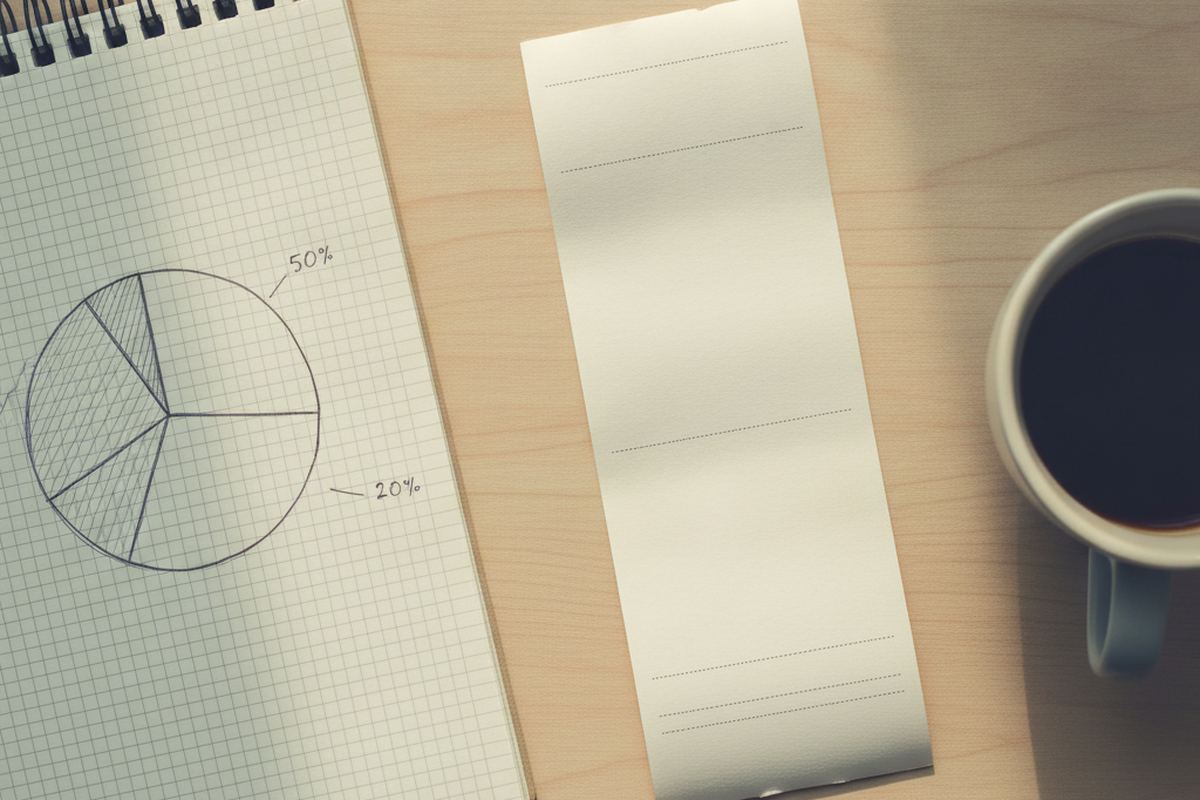
A popular and effective budgeting framework is the 50/30/20 rule, which guides how you allocate your net pay. This rule suggests dedicating 50% of your net income to Needs, 30% to Wants, and 20% to Savings & Debt Repayment. For a bi-weekly net income of $1,400, this means $700 for Needs, $420 for Wants, and $280 for Savings & Debt. This clear division provides a balanced approach to managing your money, ensuring both current necessities and future goals are addressed.
Needs include essential living expenses such as housing (rent or mortgage), utilities, groceries, transportation, and health insurance premiums. Wants are discretionary spending like dining out, entertainment, hobbies, and vacations. Savings & Debt Repayment covers contributions to an emergency fund, retirement accounts (like a 401(k) or IRA), and extra payments on high-interest debt. While these percentages are a guideline, you can adjust them slightly to fit your unique financial situation and priorities.
Enter your take-home pay and see your 50/30/20 plan in under a minute — free, no signup.
Open the Paycheck Budget CalculatorCategorizing Your Expenses Effectively
To implement the 50/30/20 rule successfully, you need to accurately categorize your expenses. Start by listing all your fixed expenses – those that remain relatively constant each month, such as rent, loan payments, and subscriptions. Then, identify your variable expenses, which fluctuate, like groceries, utilities, and entertainment. Tracking these expenses for a month or two can provide a realistic baseline for your spending habits.
Once you have a clear picture of your expenses, assign each to a 'Need,' 'Want,' or 'Savings & Debt' category. This process helps you see where your money is actually going and identify areas where you might be able to adjust your spending. Be honest with yourself about what constitutes a 'need' versus a 'want'; for example, basic transportation is a need, but upgrading to a luxury car might fall under a want. This categorization is foundational to making informed financial decisions.
Building a Budget Around Your Pay Schedule
The most effective paycheck budget integrates your income schedule directly into your spending plan. If you're paid bi-weekly, consider assigning specific bills to each of your two primary paychecks in a month. For example, your first paycheck might cover rent and the electric bill, while your second covers car payments and credit card minimums. This method ensures that critical expenses are addressed as soon as funds are available, reducing the risk of late fees.
For months with an extra third paycheck (for bi-weekly earners), this bonus income can be strategically allocated. Many people use this extra check for accelerated debt repayment, bolstering their emergency fund, or saving for larger financial goals like a down payment or a significant purchase. This 'extra' paycheck can be a powerful tool for accelerating your financial progress, so plan its use carefully rather than letting it disappear into general spending.
Regular Review and Adjustment for 2026
A budget is not a static document; it's a dynamic tool that requires regular review and adjustment. Life circumstances, income levels, and expenses can change, so it's wise to revisit your budget at least quarterly, or whenever a significant life event occurs. In 2026, factors like potential inflation, changes in interest rates, or shifts in your personal financial goals could necessitate adjustments to your spending plan. Look for areas where you can optimize your allocations.
Reviewing your budget allows you to assess its effectiveness. Are you consistently overspending in certain categories? Are you meeting your savings goals? Perhaps you can find opportunities to reduce 'wants' spending to boost your 'savings and debt repayment' category. This iterative process of monitoring, evaluating, and refining ensures your paycheck budget remains relevant and continues to support your financial well-being throughout 2026 and beyond.
The bottom line
By adopting a paycheck budgeting strategy, you gain greater control over your finances, aligning your spending with your income and financial aspirations. Focus on your net pay, understand your pay frequency, and use frameworks like the 50/30/20 rule to build a sustainable plan. Regular review and adjustment will ensure your budget remains a powerful tool for achieving your financial goals.
Get more guidance like this in your inbox
Weekly emergency-fund tactics, milestone checklists, and the next article — delivered free.
Run your own number
Get a personalized emergency fund target based on your income, expenses, and job stability.
Open the calculator