Porcelain vs Ceramic Tile: The Real Differences That Matter
Density, water absorption, install cost, and where each tile type belongs — with 2026 pricing.
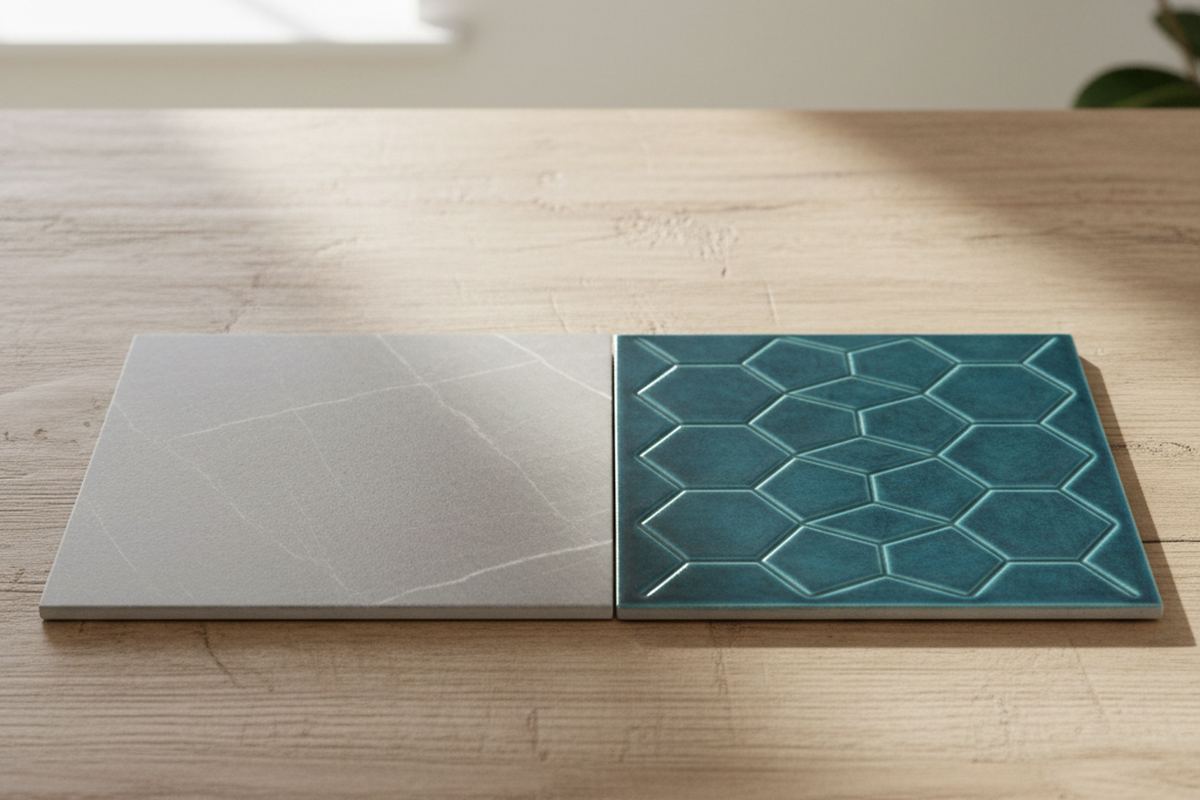
When planning a tiling project, selecting the right material is crucial for both aesthetics and durability. Porcelain and ceramic tiles are popular choices, but they possess distinct characteristics that influence their suitability for various applications. Understanding these differences, from material composition to installation requirements and cost, can prevent common pitfalls and ensure your finished project meets expectations. This guide will clarify the practical distinctions, helping you make an informed decision for your home.
Composition and Manufacturing: The Core Distinction
The fundamental difference between porcelain and ceramic tiles lies in their composition and manufacturing process. Ceramic tiles are typically made from red or white clay, along with other natural minerals, and are fired at lower temperatures. This results in a softer, more porous material. They are usually glazed, which adds color, pattern, and a protective layer to the surface.
Porcelain tiles, in contrast, are made from a denser, finer clay, often with a higher feldspar content, and are fired at much higher temperatures and pressures. This process creates a vitrified, exceptionally hard, and less porous body. This vitrification makes porcelain inherently more durable and water-resistant, even before any glazing is applied. The density is a key factor in its performance.
Water Absorption Rates: Impact on Durability
One of the most critical differences is their water absorption rate, which directly impacts where each tile type can be used. The American Society for Testing and Materials (ASTM) classifies porcelain tile as having a water absorption rate of 0.5% or less. This low absorption makes porcelain highly resistant to moisture, frost, and staining, making it suitable for both indoor and outdoor applications, including showers, patios, and high-humidity environments.
Ceramic tiles, generally, have a higher water absorption rate, often exceeding 0.5%. While glazed ceramic tiles offer some surface protection against moisture, the tile body itself can absorb water. This makes standard ceramic less ideal for outdoor use in freezing climates, as absorbed water can freeze, expand, and crack the tile. For indoor applications like backsplashes or low-traffic bathroom floors, ceramic can still be a good choice.
Durability and Hardness: Withstanding Wear and Tear
Porcelain's density and high firing temperature contribute to its superior hardness and durability. It rates higher on the PEI (Porcelain Enamel Institute) scale, which measures a tile's resistance to abrasion and wear. This makes porcelain an excellent choice for high-traffic areas, commercial spaces, and floors that will endure heavy use. It is less prone to chipping and scratching compared to ceramic.
Ceramic tiles are generally softer and more prone to chipping or scratching, especially if unglazed or used in high-traffic zones. While modern manufacturing has improved ceramic tile quality, it typically performs best in areas with lighter foot traffic, such as bathroom walls, kitchen backsplashes, or decorative accents. The glazing provides a protective layer, but the underlying body is still softer.
Calculate how many tiles you need — with pattern waste, thinset, and grout coverage included.
Open the Tile CalculatorInstallation Considerations: Tools and Techniques
Installing porcelain tile can be more challenging and may require specialized tools due to its hardness. A wet saw with a diamond blade is often necessary for clean cuts, and installers may need to use specific thin-set mortars designed for dense, low-absorption tiles to ensure proper adhesion. The denser material also makes it heavier, which can impact handling and substrate preparation. Professional installation for porcelain floors might range from $7 to $15 per square foot.
Ceramic tile is generally easier to cut and install, making it a more DIY-friendly option. A standard tile cutter or snap cutter is usually sufficient for most ceramic tiles, and it adheres well with conventional thin-set mortars. Because it's softer and lighter, installation can be quicker and less labor-intensive. Professional installation for ceramic floors typically ranges from $5 to $12 per square foot, depending on complexity and location.
Cost Analysis: Material and Labor
When budgeting for your project, both material and installation costs are important. As of 2026, porcelain tile material costs typically range from $2.50 to $15 per square foot, with specialized or large-format options reaching higher. Its durability often translates to a longer lifespan, potentially offering better long-term value despite a higher initial outlay.
Ceramic tile material, in 2026, generally ranges from $1.50 to $8 per square foot. While ceramic is often more affordable per square foot, its suitability for specific applications should guide your decision. For projects where budget is a primary concern and durability requirements are moderate, ceramic can be a cost-effective solution.
Aesthetic Versatility and Maintenance
Both porcelain and ceramic tiles offer a vast array of colors, patterns, and finishes. Porcelain tile, due to advanced manufacturing techniques, can convincingly mimic natural stone, wood, and concrete, often with through-body color that hides chips. Its low porosity also makes it highly resistant to staining and easy to clean, requiring minimal maintenance beyond regular sweeping and damp mopping.
Ceramic tiles also come in a wide range of designs, from classic patterns to modern looks. The glazing allows for vibrant colors and intricate designs. While generally easy to clean, the grout lines might require more attention, especially in higher-moisture areas. Regular cleaning with a mild detergent is usually sufficient to maintain its appearance.
The bottom line
Choosing between porcelain and ceramic tile ultimately depends on your project's specific demands, budget, and desired aesthetic. Porcelain offers superior durability and water resistance for high-traffic or wet areas, while ceramic provides a more budget-friendly and DIY-friendly option for lighter use. Carefully assess the environment and expected wear to select the tile that will best serve your needs.
Get more guidance like this in your inbox
Weekly emergency-fund tactics, milestone checklists, and the next article — delivered free.
Run your own number
Get a personalized emergency fund target based on your income, expenses, and job stability.
Open the calculator