How to Prep Soil for Sod (The 24-Hour Deadline)
Why sod must be installed within 24 hours of delivery, and the exact soil prep steps.
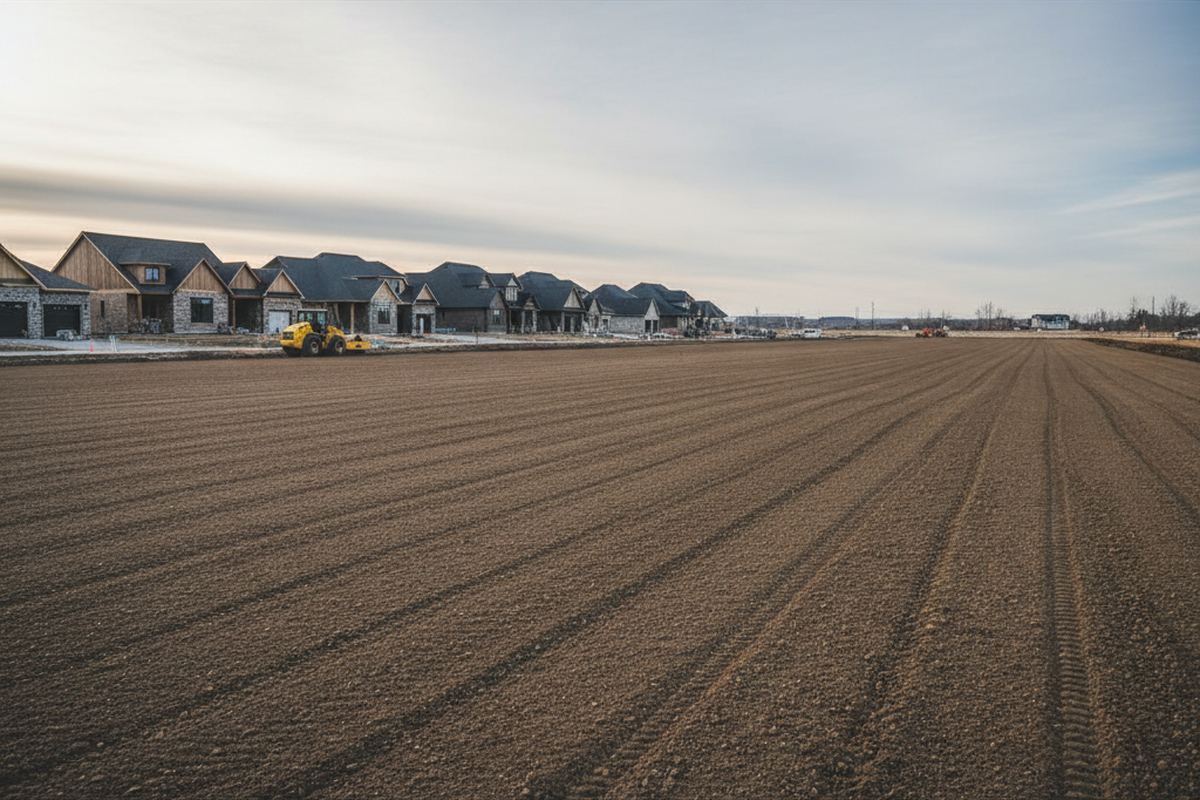
Installing sod can transform a patchy lawn into a lush green carpet almost instantly. However, the success of your new lawn hinges critically on proper soil preparation long before the sod arrives. Many homeowners underestimate the importance of this groundwork, leading to issues like poor rooting, uneven growth, and increased vulnerability to disease. Understanding the specific steps for preparing your soil ensures your sod establishes quickly and thrives for years to come. This guide will walk you through the essential preparations, emphasizing the critical 24-hour window for installation.
Understand the 24-Hour Rule for Sod Installation
Sod is a living product with a limited shelf life. Once harvested, it begins to dry out and deplete its stored energy reserves. Ideally, sod should be laid within 12 to 24 hours of delivery. Beyond this timeframe, the grass can start to yellow, wilt, and become significantly stressed, making it much harder for the roots to establish successfully in its new environment.
The tight installation window means all your soil preparation must be completed before the sod even arrives. This includes grading, tilling, amending, and fertilizing. Attempting to rush these crucial steps while the sod sits on your driveway can compromise the health of your new lawn. Plan your sod delivery to coincide with the completion of your soil readiness.
Clear the Area and Address Drainage
Begin by thoroughly clearing the area where the sod will be laid. Remove all existing vegetation, including weeds, old grass, and debris. This can be done manually, with a sod cutter, or using non-selective herbicides if you allow sufficient time for the product to work and dissipate. Ensure any large rocks or construction debris are also removed to prevent future unevenness.
Next, assess your drainage. Poor drainage can lead to root rot and other issues. If you have areas where water tends to pool, consider incorporating a slight grade (1-2% slope away from structures) to encourage runoff. For heavy clay soils, improving drainage may involve incorporating organic matter or even installing a subsurface drainage system before proceeding.
Test Your Soil for Optimal Growth
A soil test is a fundamental step that provides valuable insights into your soil's composition, pH level, and nutrient deficiencies. You can purchase DIY kits or send samples to your local agricultural extension office. Aim for a pH between 6.0 and 7.0 for most turfgrasses, as this range optimizes nutrient availability. The test results will guide your amendment strategy.
Based on the soil test, you can then add necessary amendments. For example, if your soil is too acidic, you might add lime; if it's too alkaline, sulfur can help. Clay soils benefit from gypsum, while sandy soils often need organic matter to improve water retention. Incorporate these amendments thoroughly into the top 4-6 inches of soil.
Estimate sod pallets, rolls, and total install cost for your yard — with delivery and prep budget.
Open the Sod CalculatorTill and Grade for a Smooth Foundation
Once amendments are spread, use a rototiller to break up the soil to a depth of 4-6 inches. This loosens compacted soil, allowing for better root penetration, water absorption, and air circulation. After tilling, rake the area to remove any remaining debris and break up large clumps of dirt. The goal is a fine, crumbly soil texture.
Proper grading is essential for a smooth, even lawn. Rake the tilled soil until the surface is level and uniform, ensuring a slight slope away from any buildings. Use a roller or light foot traffic to gently firm the soil, then re-rake any high or low spots. The final grade should be about 1 inch below sidewalks or driveways to accommodate the sod's thickness.
Fertilize and Moisten the Prepared Bed
Before laying the sod, apply a starter fertilizer rich in phosphorus (the middle number in the NPK ratio). A typical starter fertilizer might have a ratio like 5-10-5 or 10-20-10. This nutrient promotes strong root development, which is crucial for new sod establishment. Follow the product's instructions for application rates to avoid over-fertilization, which can burn the tender roots.
Lightly water the prepared soil bed immediately before sod installation. The goal is to moisten the top 3-4 inches of soil without making it muddy. This provides a welcoming, hydrated environment for the new sod, preventing transplant shock and encouraging rapid root growth. Avoid overwatering, which can lead to compaction.
Final Check Before Sod Arrival
With all the soil preparation complete, do a final walk-through of the area. Look for any missed debris, uneven spots, or areas that might require additional raking. Ensure your irrigation system is functional and ready to go, as immediate watering after sod installation is critical. Have all your tools, such as a sharp utility knife and a sod roller, ready for when the sod arrives.
Confirm your sod delivery time and ensure you have enough help, if needed, to lay the sod quickly. Remember, the 24-hour clock starts ticking the moment the sod is harvested. Being fully prepared beforehand will make the installation process efficient and significantly increase the likelihood of a healthy, vibrant new lawn.
The bottom line
Thorough soil preparation is not merely a suggestion but a critical foundation for a successful sod lawn. By dedicating time to clearing, amending, grading, and fertilizing your soil, you set the stage for your new turf to thrive. Adhering to the 24-hour installation window for sod is non-negotiable, and a well-prepared bed makes meeting this deadline achievable. Invest in your soil, and your lawn will reward you with lasting beauty.
Get more guidance like this in your inbox
Weekly emergency-fund tactics, milestone checklists, and the next article — delivered free.
Run your own number
Get a personalized emergency fund target based on your income, expenses, and job stability.
Open the calculator