Removing Old Lawn for New Sod: 3 Methods Compared
Sod cutter vs herbicide vs solarization for killing the old lawn before sod install.
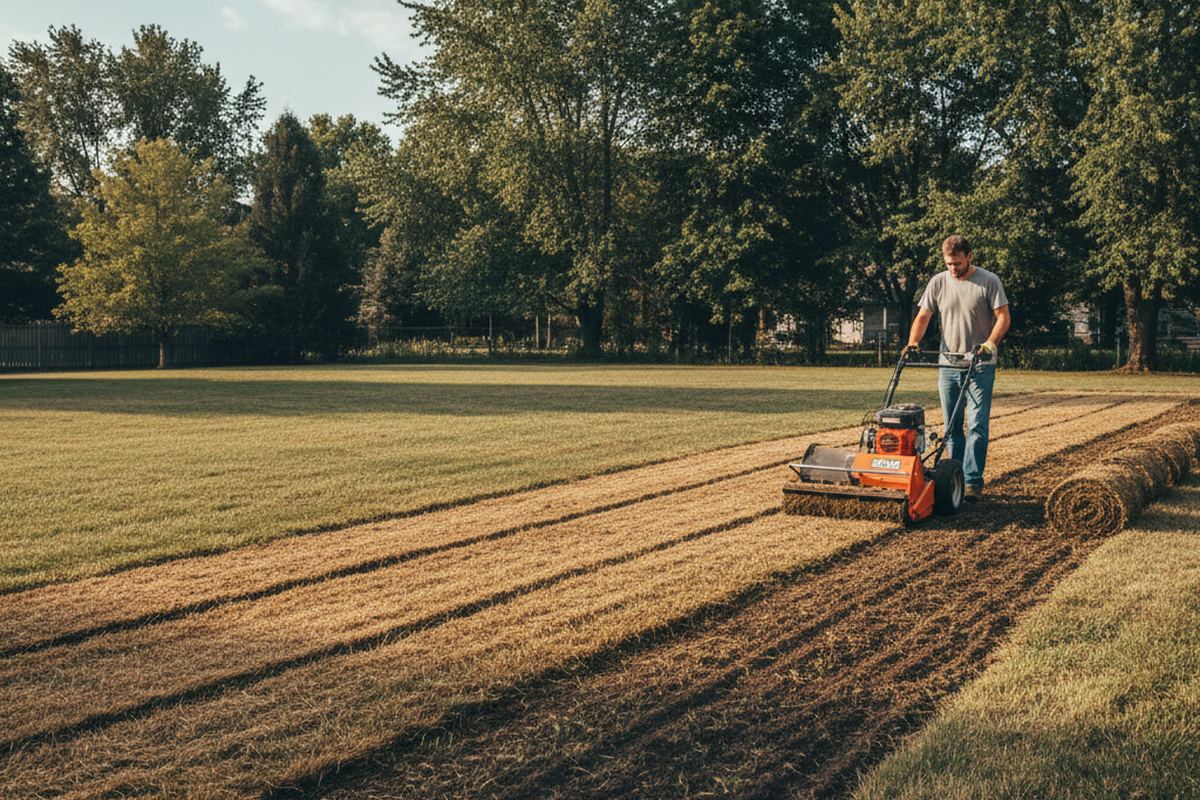
When planning to install new sod, one of the most critical steps is properly removing your existing lawn. A thorough removal process ensures that weeds and old grass do not compete with your new sod for nutrients and water, leading to a healthier, more uniform lawn. Choosing the right method depends on factors like the size of your area, your budget, and your timeline. This guide compares three common approaches to help you make an informed decision for your lawn renovation.
Method 1: Manual or Machine Sod Cutter
Using a sod cutter, either manually operated or a gas-powered machine, is often the most immediate way to remove an old lawn. This method involves cutting the existing turf into strips and then rolling them up for disposal. It's a labor-intensive approach, especially for larger areas, but it offers the advantage of instant gratification, allowing you to lay new sod almost immediately after removal. Manual sod cutters are suitable for smaller, more manageable sections, while powered versions significantly reduce the physical effort for bigger projects.
Renting a gas-powered sod cutter typically costs between $70 to $150 per day, with manual versions being much less expensive. The process requires careful operation to ensure an even cut, usually about 1 to 2 inches deep, to remove the grass and its root system effectively. While it provides a clean slate, it does create a significant amount of organic waste that needs to be disposed of, which can incur additional costs or require access to a composting facility. This method is ideal if you have a tight schedule and prefer not to use chemicals on your property.
Method 2: Chemical Herbicide Treatment
Applying a non-selective herbicide, such as glyphosate, is an effective way to kill off an existing lawn, including stubborn weeds. This method requires careful application to ensure safety and prevent harm to desired plants. It's crucial to follow product instructions for mixing ratios and application techniques. Typically, two applications are recommended: one initial spray, followed by a second application approximately 7 to 14 days later to address any resilient growth or missed spots. This approach is less physically demanding than using a sod cutter for large areas.
After the herbicide has fully taken effect, which can take several weeks, the dead grass can be tilled into the soil or removed. Tilling can improve soil structure, but it may also bring dormant weed seeds to the surface, potentially leading to new weed growth. If you choose to remove the dead grass, light raking or dethatching can prepare the area for new sod. The cost of herbicides varies but is generally affordable for most projects, ranging from $20 to $60 for concentrated products that cover a substantial area. This method requires patience but is effective for complete eradication of existing vegetation.
Method 3: Solarization for Natural Removal
Solarization is an eco-friendly method that uses the sun's heat to kill existing grass and weeds without chemicals. This technique involves covering the area with clear plastic sheeting, typically 4 to 6 mil thick, for several weeks during the hottest part of the year. The plastic traps solar radiation, raising the soil temperature to levels lethal for most weeds, weed seeds, and even some pathogens. For best results, ensure the soil is moist before laying the plastic, as moist soil conducts heat more efficiently.
The duration of solarization can range from 4 to 8 weeks, depending on local climate conditions and the intensity of the sun. While this method is budget-friendly and avoids chemical use, it requires significant planning and patience. The cost is primarily for the plastic sheeting, which can range from $30 to $100 for a large roll, depending on thickness and size. After the solarization period, the dead vegetation can be left in place and tilled into the soil, adding organic matter, or it can be raked away. This method is particularly suitable for those prioritizing environmental sustainability and who have a flexible timeline.
Estimate sod pallets, rolls, and total install cost for your yard — with delivery and prep budget.
Open the Sod CalculatorPreparing Your Soil After Removal
Regardless of the removal method chosen, proper soil preparation is essential for the success of your new sod. Begin by testing your soil's pH and nutrient levels; kits are available at most garden centers for $10 to $25, or professional tests usually cost between $25 to $50. Based on the results, you may need to amend your soil with lime to raise pH or sulfur to lower it, aiming for a range between 6.0 and 7.0 for optimal grass growth. Incorporating organic matter, such as compost, is also highly recommended to improve drainage, aeration, and nutrient retention.
After amendments, ensure the area is leveled and graded correctly to promote proper water runoff and prevent pooling. Use a rake to smooth out any bumps or depressions. The final step before laying sod is to apply a starter fertilizer, specifically formulated for new lawns, which typically contains higher phosphorus levels to encourage root development. A good quality starter fertilizer for a typical lawn could cost between $25 to $50. This meticulous preparation creates the ideal foundation for your new sod to establish quickly and thrive.
Choosing the Right Method for Your Project
When deciding which removal method is best, consider your specific circumstances. For immediate results and if chemical use is a concern, a sod cutter is an excellent choice, particularly for smaller to medium-sized lawns. If you have a large area and are comfortable with chemical applications, herbicides offer an efficient, less labor-intensive solution, though it requires a waiting period. For an environmentally friendly approach and if time is not a critical factor, solarization provides a chemical-free way to prepare your soil.
Think about the overall scope of your project, including labor, cost, and environmental impact. For a 2,000 square foot lawn, renting a sod cutter might be a weekend project costing $100-$150, while herbicide application could be $50-$75 over a few weeks. Solarization for the same area might cost $40-$70 for plastic but would take 1-2 months. Each method has its trade-offs, and the best choice aligns with your personal preferences and the specific needs of your new lawn installation.
Laying Your New Sod Successfully
Once your old lawn is removed and the soil is prepared, laying the new sod requires careful attention. Order your sod to arrive on the day you plan to install it, as it is a living product and should be laid within 24 hours of delivery. Begin by laying sod strips along the longest straight edge of your lawn, pressing each piece firmly against the next to eliminate gaps. Stagger the joints in a brick-like pattern to prevent noticeable seams and ensure stability.
After laying, roll the entire area with a lawn roller to ensure good contact between the sod and the soil beneath. This promotes faster rooting and prevents air pockets. Immediately after installation, thoroughly water your new sod to a depth of 4 to 6 inches. Continue to water daily, or even twice daily in hot weather, for the first two weeks, gradually reducing frequency as the sod establishes. Avoid heavy foot traffic for the first few weeks to allow the roots to take hold securely. Proper watering is the single most important factor for new sod survival.
The bottom line
Removing your old lawn is a foundational step in creating a beautiful new turf. By carefully considering the sod cutter, herbicide, or solarization methods, you can choose the approach that best suits your project's needs. Proper preparation and diligent follow-up care will ensure your new sod thrives, providing you with a lush, healthy lawn for years to come.
Get more guidance like this in your inbox
Weekly emergency-fund tactics, milestone checklists, and the next article — delivered free.
Run your own number
Get a personalized emergency fund target based on your income, expenses, and job stability.
Open the calculator