Saltillo and Natural Stone Tile: Beautiful, Expensive, and Fussy
The upkeep, sealing schedule, and per-sq-ft cost of natural stone and saltillo tile floors.
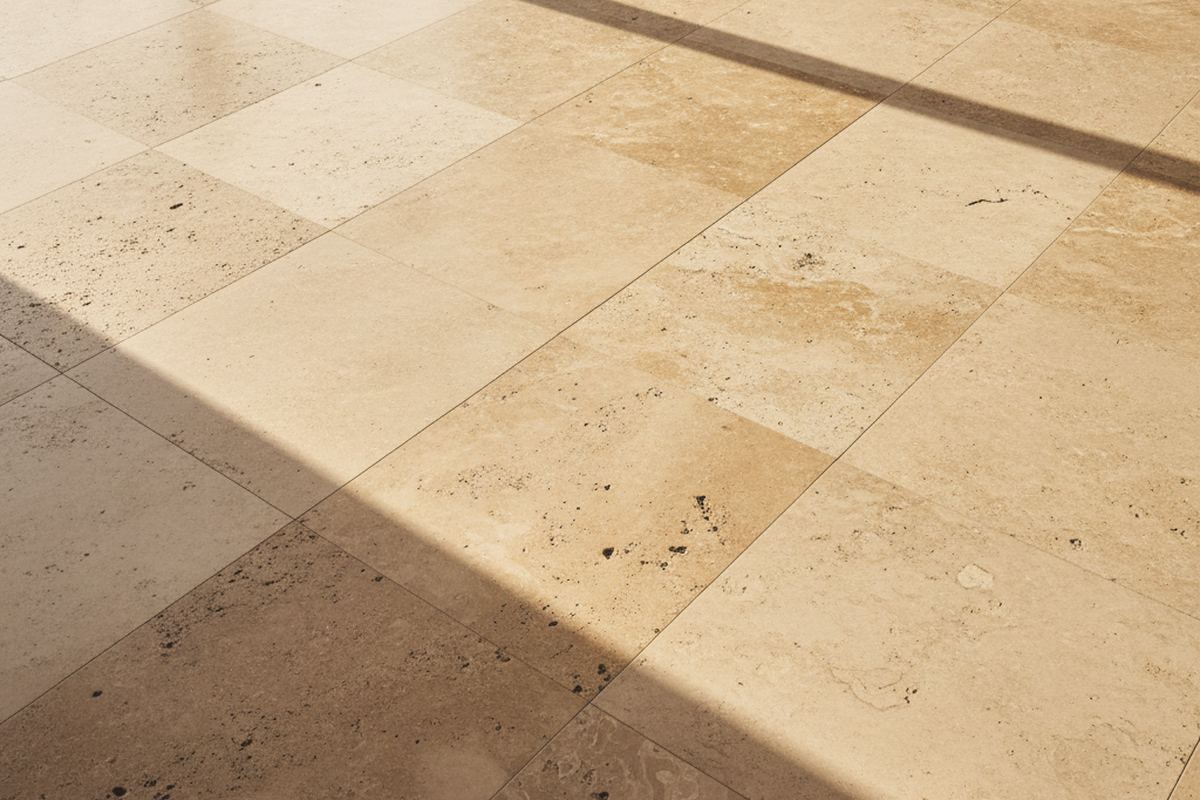
Natural stone and Saltillo tiles bring a unique warmth and character to any space, offering a timeless aesthetic that synthetic materials often struggle to replicate. However, their beauty comes with specific considerations regarding installation, maintenance, and cost. Understanding these factors upfront is crucial for anyone considering these materials for their home. This guide will explore the practicalities of living with natural stone and Saltillo, helping you decide if their distinct charm aligns with your lifestyle and budget.
Understanding Natural Stone Tile
Natural stone tiles encompass a wide variety of materials, including granite, marble, travertine, slate, limestone, and quartzite. Each type possesses unique characteristics in terms of hardness, porosity, and appearance. For instance, granite is known for its durability and resistance to etching, making it suitable for high-traffic areas, while marble, though elegant, is softer and more prone to scratching and acid etching. The choice of stone significantly impacts the tile's longevity and maintenance requirements.
The aesthetic appeal of natural stone lies in its organic variations in color, veining, and texture, ensuring no two installations are exactly alike. However, this natural variation also means that samples may not perfectly represent the entire batch. It's advisable to inspect several pieces before purchasing to ensure the overall look meets your expectations. Proper selection based on the intended use and expected traffic is key to long-term satisfaction.
Saltillo Tile: Rustic Charm and Unique Demands
Saltillo tile, named after Saltillo, Mexico, where it originates, is a handmade unglazed terra cotta tile. Its distinctive rustic appearance, warm earthy tones, and irregular shapes are highly sought after for a Southwestern or Mediterranean aesthetic. Because it is unglazed and fired at lower temperatures, Saltillo tile is exceptionally porous, which is its primary characteristic influencing installation and maintenance.
The porous nature of Saltillo tile means it readily absorbs liquids, making it highly susceptible to staining without proper sealing. It also requires a different installation approach compared to ceramic or porcelain tiles. The surface can be uneven, and tiles may vary in thickness and size, necessitating careful planning and often a thicker grout line. These unique demands contribute to its charm but also its upkeep.
Cost Considerations for Natural Stone and Saltillo
The initial cost of natural stone and Saltillo tiles varies widely based on the specific material, origin, and finish. For natural stone, prices can range from approximately $5 to $50 per square foot, with some exotic stones exceeding $100 per square foot. Saltillo tile typically falls within the $2 to $8 per square foot range, making it a more budget-friendly option for its specific aesthetic.
Beyond the material cost, installation expenses are a significant factor. Due to their weight, variability, and specific sealing requirements, both natural stone and Saltillo tiles often incur higher installation labor costs compared to standard ceramic or porcelain. Professional installation for these materials can range from $8 to $25 per square foot, depending on complexity and regional rates. This brings the total installed cost for natural stone to $13 to $75+ per square foot, and for Saltillo, $10 to $33 per square foot.
Calculate how many tiles you need — with pattern waste, thinset, and grout coverage included.
Open the Tile CalculatorThe Critical Role of Sealing
Sealing is arguably the most critical step in protecting both natural stone and Saltillo tiles, especially in moisture-prone areas like kitchens and bathrooms. Natural stone, even denser varieties, has microscopic pores that can absorb liquids, leading to staining and mold growth. Saltillo tile, being extremely porous, requires multiple coats of a penetrating sealer before and after grouting to prevent permanent discoloration.
For most natural stone, a high-quality penetrating sealer should be applied every one to five years, depending on the stone type, traffic, and cleaning regimen. Saltillo tile often benefits from annual sealing, particularly in high-traffic or spill-prone areas. Neglecting proper sealing can lead to irreversible damage and significantly shorten the lifespan and appearance of these beautiful materials.
- Penetrating sealers are absorbed into the stone, providing protection without altering the surface appearance.
- Topical sealers form a protective layer on the surface, often enhancing color but can be prone to scratching.
- Always test sealers on an inconspicuous area first to ensure desired results.
Ongoing Maintenance and Cleaning
Daily maintenance for natural stone and Saltillo involves sweeping or vacuuming to remove loose dirt and grit, which can scratch the surface. For cleaning, it's essential to use pH-neutral cleaners specifically formulated for natural stone. Harsh acidic or alkaline cleaners, common household detergents, or abrasive scrubbers can damage the sealer, etch the surface, or dull the finish.
Spills, especially acidic liquids like citrus juice, vinegar, or wine, should be cleaned immediately to prevent etching or staining. Blot, do not wipe, to avoid spreading the spill. While natural stone and Saltillo are durable, they require a consistent and gentle cleaning routine to maintain their beauty over decades of use.
Durability and Longevity Expectations
When properly cared for, natural stone tiles can last for many decades, often outliving the structure itself. Materials like granite and slate are exceptionally hard-wearing, making them ideal for high-traffic areas. Even softer stones like marble, when sealed and maintained, can retain their elegance for generations, though they may acquire a natural patina over time.
Saltillo tiles are also known for their longevity, often found in historic buildings that are hundreds of years old. Their rustic nature means minor imperfections or wear can add to their character rather than detract from it. The key to maximizing the lifespan of both natural stone and Saltillo is diligent sealing, appropriate cleaning, and prompt attention to spills or damage.
The bottom line
Choosing natural stone or Saltillo tile is an investment in both aesthetics and long-term value, provided you are prepared for their specific care requirements. Their unique beauty can transform a space, but understanding the commitment to sealing and maintenance is vital. With proper care, these materials offer enduring charm and durability, enriching your home for years to come.
Get more guidance like this in your inbox
Weekly emergency-fund tactics, milestone checklists, and the next article — delivered free.
Run your own number
Get a personalized emergency fund target based on your income, expenses, and job stability.
Open the calculator