Saving for a Bike: The 12-Week Kid Plan
A 12-week plan for a kid to save for a bike with milestones and rewards.
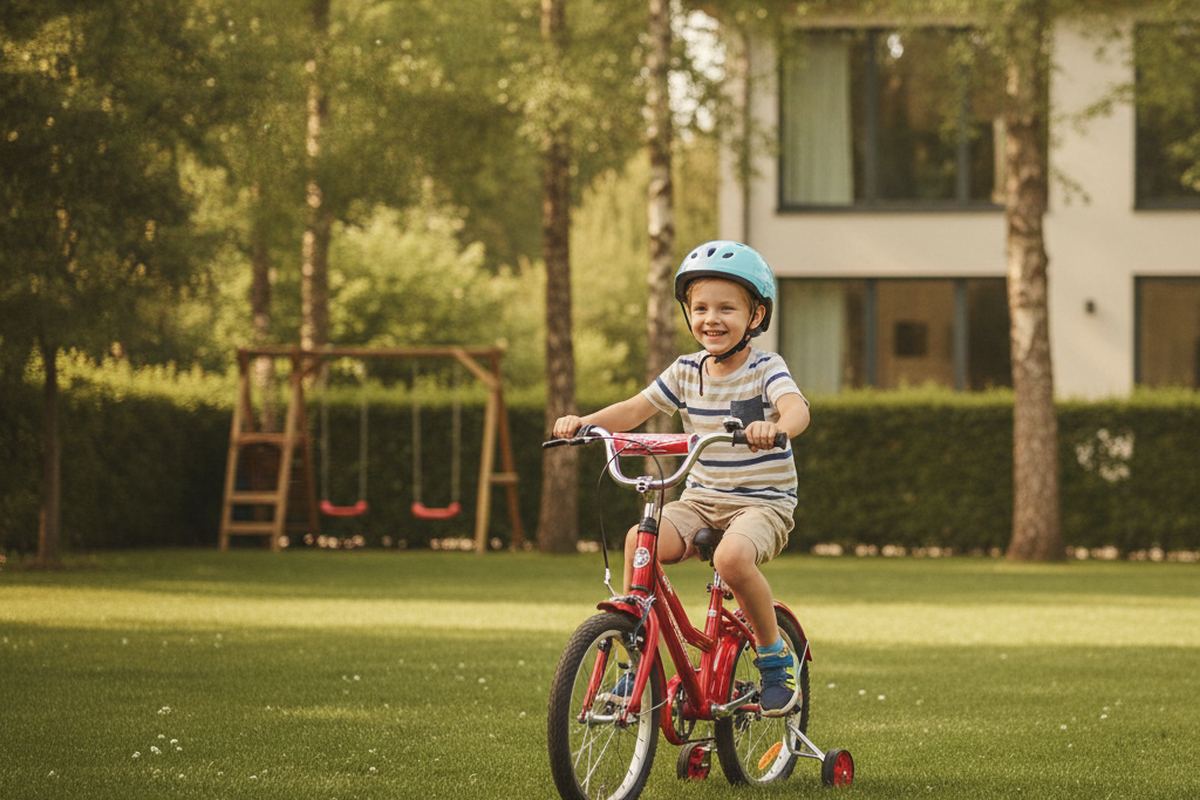
Teaching children about saving money can be a rewarding experience for both parents and kids. When a child has a specific goal, like a new bike, the abstract concept of saving becomes tangible and exciting. This 12-week plan provides a structured approach to help your child understand financial planning, set achievable milestones, and ultimately reach their savings target. It's designed to be flexible, allowing for adjustments based on your child's age and the bike's cost.
Setting a Realistic Goal and Timeline
Before starting, involve your child in selecting the bike. This helps them visualize their goal. Research the bike's cost together. For example, a decent children's bike might cost between $150 and $300. Let's aim for a $240 bike for our 12-week plan. This means your child needs to save $20 per week, a manageable amount for many families.
Discuss the 12-week timeframe and what that looks like in terms of weekly savings. Break down the total cost into smaller, weekly increments. This makes the goal less daunting and more achievable. Consider their age and understanding when explaining these numbers, using simple language and relatable examples.
Identifying Income Sources for Kids
Explore various ways your child can earn money. Common sources include allowances, completing extra chores beyond their usual responsibilities, and gifts from relatives. For instance, if their regular allowance is $5 per week, they might earn an additional $5-10 for special tasks like washing the car or tidying the garage.
Another option is creating a small 'business' – perhaps selling lemonade, handmade cards, or helping neighbors with simple tasks like watering plants. This teaches entrepreneurship and initiative. The key is to make earning an active process, not just passive receipt of funds.
- Allowance: A consistent weekly amount.
- Extra Chores: Tasks beyond regular responsibilities.
- Gifts: Birthdays, holidays, or special occasions.
- Small Ventures: Lemonade stands, handmade items.
Tracking Progress Visually
A visual tracker is crucial for keeping children motivated. A simple chart on the refrigerator or a dedicated savings jar with marked increments can show how much money has been saved and how much more is needed. Each time money is added, mark off a section or add a sticker.
Seeing the savings grow provides tangible evidence of their effort. You can create a simple bar graph or a 'thermometer' that fills up as they get closer to their $240 goal. This reinforces the connection between effort and reward, making the process engaging.
Turn a savings goal into a monthly plan a kid can actually stick to.
Open the Kids Savings Goal TrackerImplementing Weekly Milestones and Rewards
Divide the 12-week journey into smaller milestones. For example, after 3 weeks, they should have saved $60. After 6 weeks, $120. Celebrate these smaller achievements with non-monetary rewards, like a special outing, extra screen time, or choosing a family movie.
These mini-rewards reinforce positive saving habits without diminishing the value of the ultimate goal. They help maintain momentum and prevent discouragement if progress feels slow. The focus should be on celebrating their discipline and effort.
- Week 3: $60 saved – small treat or extra playtime.
- Week 6: $120 saved – family game night or movie choice.
- Week 9: $180 saved – choose a special dinner.
- Week 12: $240 saved – bike purchase!
Learning About Delayed Gratification
The process of saving for a bike is a practical lesson in delayed gratification. Children learn that waiting for a larger reward is often more satisfying than immediate, smaller purchases. This skill is invaluable for future financial decisions.
Discuss the difference between wants and needs. Explain that while they might want a small toy now, saving for the bike means they'll get something they truly desire later. This helps them prioritize and make conscious spending choices.
Making the Purchase Together
Once the $240 goal is reached, the exciting part begins: purchasing the bike. Take your child to the store to pick out their new bike. Let them handle the money (if appropriate for their age) and pay for it themselves. This final step solidifies their accomplishment.
This experience provides a powerful sense of ownership and pride. They will remember the effort they put in and the satisfaction of achieving their goal, reinforcing positive financial behaviors for years to come. This tangible reward makes the entire savings journey worthwhile.
Beyond the Bike: Future Savings Goals
After successfully saving for the bike, discuss what their next financial goal might be. This could be saving for a new video game, a special toy, or even contributing to a larger family vacation fund. Continue to encourage goal-oriented saving.
This plan establishes a foundation for lifelong financial literacy. The skills learned – goal setting, earning, tracking, and delayed gratification – are transferable to future, larger financial objectives, such as saving for college or a first car. The bike is just the beginning.
The bottom line
Empowering your child with financial literacy through a tangible goal like saving for a bike sets them on a path of responsible money management. This 12-week plan offers a clear, actionable framework to achieve that. By fostering these habits early, you equip them with essential skills for their future financial independence.
Get more guidance like this in your inbox
Weekly emergency-fund tactics, milestone checklists, and the next article — delivered free.
Run your own number
Get a personalized emergency fund target based on your income, expenses, and job stability.
Open the calculator