Shower Tile Waterproofing: What Actually Works
Kerdi vs RedGard vs cement board — the waterproofing methods pros trust for shower tile.
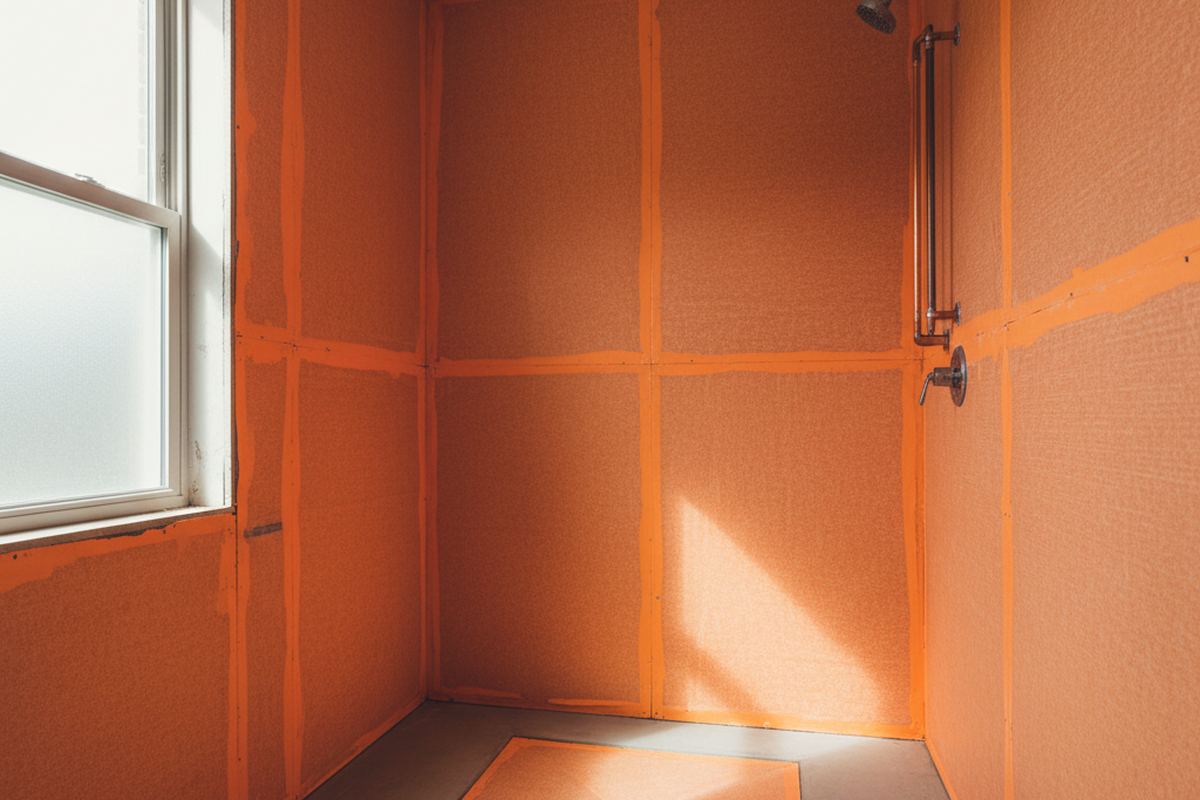
Ensuring a shower is properly waterproofed is critical for the longevity and integrity of your home. Skipping or improperly executing this step can lead to significant water damage, mold growth, and costly repairs down the line. While the visible tilework gets most of the attention, the unseen waterproofing layer beneath is what truly protects your structure. Understanding the leading methods and their applications can help you achieve a durable, leak-free shower.
Understanding the Foundation: Cement Board
Cement board, often mistakenly considered waterproof, serves as a stable, water-resistant substrate for tile. Its primary role is to provide a rigid, mold-resistant surface that won't degrade when exposed to moisture. However, it is not impervious to water penetration; water can pass through it and compromise the wall or floor structure behind it. This is why an additional waterproofing layer is always necessary.
When installing cement board, proper fastener spacing, taping of seams with alkali-resistant mesh tape, and filling those seams with thin-set mortar are essential steps. These preparations create a continuous, stable surface ready for the actual waterproofing membrane. For shower walls, 1/2-inch thick cement board is standard, while 1/4-inch or 1/2-inch can be used for floors, depending on the framing and overall floor system.
Topical Membranes: RedGard and Similar Products
Topical liquid-applied membranes like RedGard, Laticrete Hydro Ban, or Custom Building Products RedGard are popular choices for their ease of application. These products create a continuous, seamless waterproof barrier directly over cement board or other approved substrates. They are typically applied in two coats with a roller or brush, forming a rubberized film that prevents water from reaching the underlying structure.
The key to success with liquid membranes is achieving the correct mil thickness, which usually requires two coats applied in perpendicular directions. Manufacturer specifications often call for a dry film thickness of around 20-30 mils. Proper curing time between coats and before tiling is also crucial, ranging from a few hours to overnight, depending on humidity and temperature. These membranes are flexible, accommodating minor substrate movement.
- Cost-effective for many projects
- Easy to apply for DIYers
- Forms a seamless barrier
- Can be used on walls and floors
Sheet Membranes: Kerdi and Schluter Systems
Sheet membranes, such as Schluter-KERDI, represent a different approach to waterproofing. These are thin, pliable polyethylene sheets that are adhered to the substrate using unmodified thin-set mortar. The membrane itself is 100% waterproof, and the system relies on carefully sealing all seams and penetrations (like shower niches or valve cutouts) with overlapping membrane or specialized sealing components.
The advantage of sheet membranes lies in their consistent thickness and quick turnaround. Once installed and sealed, tiling can often begin almost immediately. The uncoupling properties of some sheet membranes also help to prevent cracks in the tile and grout caused by substrate movement. While the material cost can be higher, the labor savings and reliability make them a favorite among many professionals.
- Consistent waterproofing thickness
- Quick installation for tiling
- Excellent crack isolation properties
- Comprehensive system components
Calculate how many tiles you need — with pattern waste, thinset, and grout coverage included.
Open the Tile CalculatorShower Pans: Mortar Beds vs. Pre-Sloped Trays
The shower floor, or pan, requires a robust waterproofing strategy due to constant water exposure. Traditionally, a sloped mortar bed with a PVC or CPE liner beneath it was the standard. This method involves a multi-layer build-up, including a pre-slope, liner, and then a final sloped mortar bed for tiling. While effective, it is labor-intensive and requires significant skill to ensure proper slope and drainage.
Pre-sloped shower trays, often made of expanded polystyrene or high-density foam, offer a modern, efficient alternative. These trays come with an integrated slope and are designed to work seamlessly with sheet membranes like KERDI or liquid membranes. They significantly reduce installation time and eliminate the risk of improper slope, making them a popular choice for both DIYers and professionals seeking reliability and speed.
Critical Sealing Points and Detailing
Regardless of the primary waterproofing method chosen, proper detailing at critical points is paramount. These include corners (both inside and outside), transitions between different planes (wall to floor), and penetrations for shower valves, spouts, and shower door frames. Manufacturer-specific accessories, such as pre-formed corners, sealing bands, and pipe collars, are designed to ensure these vulnerable areas are absolutely watertight.
For liquid membranes, these areas often receive extra coats or embedding of fabric reinforcement. With sheet membranes, overlapping seams and specialized sealing components are used. Ignoring these details can create pathways for water, undermining the entire waterproofing effort. Always follow the manufacturer's instructions precisely for each product used.
Integrating Waterproofing with Drainage
The shower drain is an integral part of the waterproofing system. Traditional clamp-ring drains are designed to work with sub-surface liners, where the liner is clamped securely to the drain flange. The weep holes in these drains allow any water that penetrates the mortar bed to escape. Modern linear drains and integrated drain systems, often used with pre-sloped trays and sheet membranes, offer a different approach.
These integrated systems often incorporate the waterproofing directly at the drain's surface, preventing water from reaching below the tile assembly. For any drain type, ensuring a watertight seal between the waterproofing membrane and the drain body is non-negotiable. This usually involves thin-set mortar, sealant, or a combination, depending on the specific drain and membrane system. Proper integration prevents standing water and ensures efficient drainage.
Final Checks and Best Practices
Before any tile is installed, it is highly recommended to perform a flood test on the shower pan. This involves plugging the drain and filling the shower pan with water to a depth of 1-2 inches for at least 24 hours. Carefully inspect for any leaks outside the shower area. While not always practical for vertical surfaces, a thorough visual inspection of all seams, corners, and penetrations for complete coverage is essential.
Adhering to manufacturer guidelines for product selection, substrate preparation, application thickness, and curing times is not merely a suggestion; it is the foundation of a successful, long-lasting shower. Mixing and matching components from different waterproofing systems can compromise their effectiveness and void warranties. A well-waterproofed shower provides peace of mind and protects your home's value.
The bottom line
Choosing the right shower waterproofing method depends on your budget, skill level, and project requirements. Whether you opt for liquid-applied membranes or comprehensive sheet systems, the goal remains the same: create an impervious barrier against water intrusion. Prioritize proper preparation and meticulous application to ensure your shower remains a durable, leak-free space for years to come.
Get more guidance like this in your inbox
Weekly emergency-fund tactics, milestone checklists, and the next article — delivered free.
Run your own number
Get a personalized emergency fund target based on your income, expenses, and job stability.
Open the calculator