Brown Patches on New Sod: 6 Causes and Fixes
How to diagnose brown patches on new sod — watering, disease, install gaps, and more.
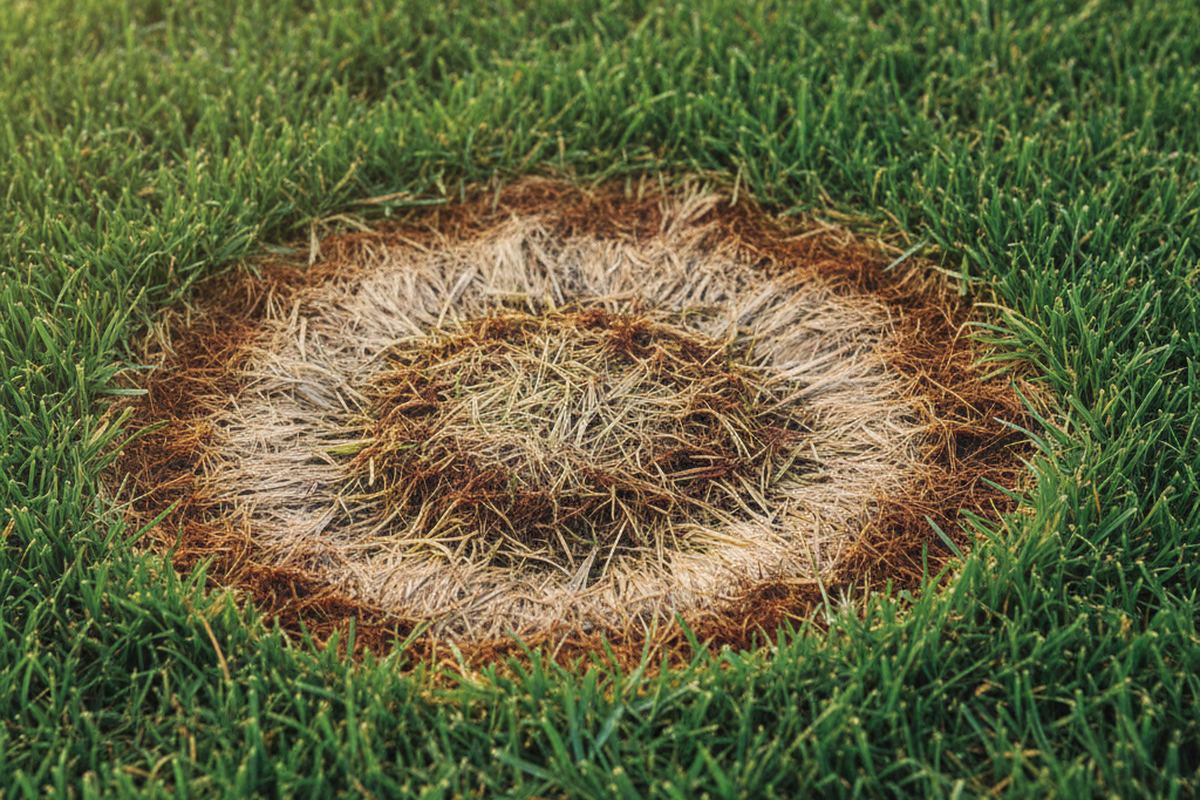
Installing new sod represents a significant investment in your home's curb appeal, promising an instant, lush green lawn. However, the appearance of brown patches shortly after installation can be disheartening and confusing. These discolored areas often signal underlying issues that, if addressed promptly, can restore your lawn to its intended vibrancy. Understanding the common culprits behind brown patches is the first step toward effective treatment and ensuring your new sod thrives.
Inadequate Watering: The Most Common Culprit
New sod requires consistent and ample moisture to establish its root system in the underlying soil. Insufficient watering is by far the leading cause of brown patches, particularly in the weeks immediately following installation. When sod doesn't receive enough water, its leaves dry out, turn brown, and eventually die. This often appears as irregular, dried-out areas that feel crunchy to the touch.
To properly hydrate new sod, aim for deep, infrequent watering rather than shallow, frequent sprinkles. Typically, this means watering once or twice daily for the first two weeks, applying enough water to saturate the sod and the top 4-6 inches of soil beneath it. A good test is to lift a corner of a sod roll; if the soil underneath is dry, more water is needed. Reduce watering frequency as roots establish, but increase duration to encourage deeper root growth.
- Water immediately after installation.
- Maintain consistent moisture, especially during hot or windy weather.
- Ensure water penetrates both the sod and the soil beneath.
Overwatering and Fungal Disease
While underwatering is a common issue, overwatering can be equally detrimental, leading to fungal diseases and root rot. Excess moisture creates an ideal environment for fungi to proliferate, causing patches of discolored or thinning grass. These brown areas might appear greasy, slimy, or have a distinct odor, differing from the dry texture of underwatered sod. Common diseases include brown patch or pythium blight.
To prevent overwatering and disease, ensure proper drainage and avoid watering late in the evening, which leaves the sod wet overnight. If you suspect a fungal issue, a fungicide may be necessary, but accurate diagnosis is key. Adjusting your watering schedule and improving soil aeration can often mitigate these problems without chemical intervention.
Poor Soil Preparation and Compaction
The success of new sod heavily relies on the quality of the soil it's laid upon. If the underlying soil was not adequately prepared – meaning it's compacted, nutrient-deficient, or has poor drainage – the sod will struggle to root properly. Compacted soil restricts root penetration and water absorption, leading to localized dry spots and brown patches, even if the surface appears wet.
Before laying sod, the soil should be tilled to a depth of 4-6 inches, amended with organic matter like compost, and graded appropriately for drainage. This creates a loose, nutrient-rich bed where roots can easily grow. If brown patches emerge due to poor soil, aeration might help in established areas, but in severe cases, partial re-installation might be considered after soil correction.
Estimate sod pallets, rolls, and total install cost for your yard — with delivery and prep budget.
Open the Sod CalculatorInstallation Gaps or Overlapping Edges
Improper installation techniques can directly lead to brown patches. If sod rolls are laid with significant gaps between them, the exposed edges will quickly dry out and turn brown due to lack of contact with the underlying soil. Conversely, overlapping edges can create areas where moisture is trapped, leading to disease, or where roots struggle to establish due to uneven soil contact.
Ensure each sod roll is laid tightly against the previous one, like bricks in a wall, without overlapping. Use a utility knife to cut pieces to fit odd shapes or around obstacles, ensuring a snug fit. Rolling the sod after installation helps to ensure good soil-to-sod contact, eliminating air pockets that can cause drying.
Insect Pests and Grubs
While less common in brand-new sod, insect pests can sometimes cause brown patches, especially if the underlying soil harbored them or they quickly infest the new lawn. Grubs, the larvae of beetles, are notorious for feeding on grass roots, leading to patches of sod that can be easily pulled back like a carpet. Other pests like chinch bugs or sod webworms can also cause damage.
To check for grubs, cut a 1-foot square into a brown patch and peel back the sod. If you find more than 5-10 grubs per square foot, treatment may be warranted. Early detection and identification are crucial. Consider using an appropriate insecticide if pest activity is confirmed, following product instructions carefully to protect your new lawn.
Chemical Burn or Fertilizer Over-Application
Applying too much fertilizer, especially synthetic granular types, can burn new sod, resulting in distinct brown or yellow patches. This happens when the concentrated salts in the fertilizer draw moisture out of the grass blades. Similarly, spills of gasoline, oil, or certain herbicides on new sod can cause localized death and browning.
Always follow fertilizer application rates precisely, and consider using a starter fertilizer specifically designed for new sod, which typically has a lower nitrogen content. If you suspect chemical burn, thoroughly flush the affected area with water to dilute the chemicals. Preventative measures include careful handling of all lawn chemicals and immediate cleanup of spills.
The bottom line
Diagnosing brown patches on new sod requires careful observation and a systematic approach. By understanding the common causes, you can pinpoint the problem and apply the correct solution to restore your lawn's health. Prompt action is key to preventing small issues from escalating into larger, more costly repairs, ensuring your new sod establishes into a beautiful, resilient lawn.
Get more guidance like this in your inbox
Weekly emergency-fund tactics, milestone checklists, and the next article — delivered free.
Run your own number
Get a personalized emergency fund target based on your income, expenses, and job stability.
Open the calculator