Sod Fertilizer: What to Apply and When
The starter and follow-up fertilizer schedule that maximizes root growth in the first 60 days.
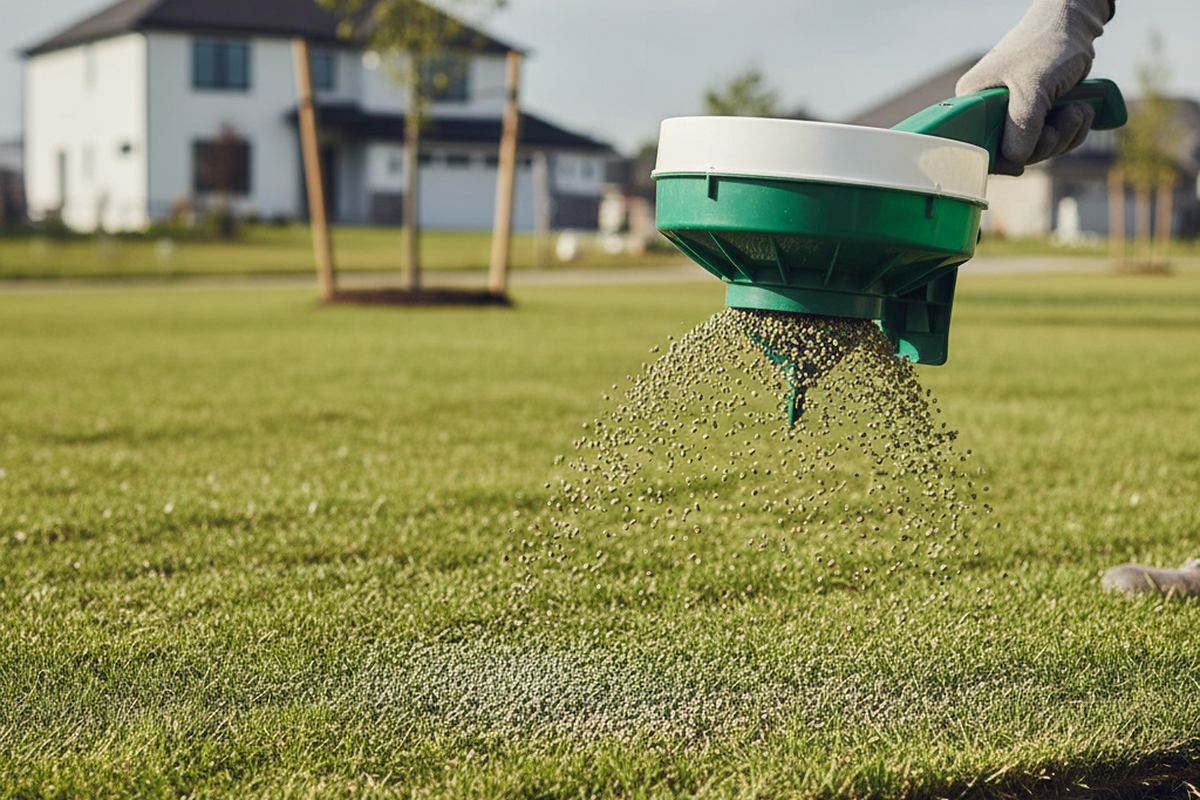
Successfully establishing a new sod lawn involves more than just laying the turf; proper nutrition is crucial for healthy root development and overall vigor. The right fertilizer at the right time can significantly impact how quickly your sod takes root and thrives. Understanding the specific needs of new sod, from initial application to ongoing care, will help prevent common issues and ensure a lush, resilient lawn. This guide focuses on the essential fertilization schedule for the first 60 days.
Understanding New Sod's Nutritional Needs
New sod is under stress when first installed. Its primary goal is to establish a robust root system in the underlying soil. This process requires specific nutrients, primarily phosphorus, which is vital for root growth and energy transfer within the plant. While nitrogen promotes leafy green growth, too much nitrogen too early can redirect energy away from root development, leading to a weaker foundation. Potassium contributes to overall plant health, stress resistance, and water regulation.
A starter fertilizer, often labeled as a "new lawn starter" or "sod starter," is formulated to provide these critical nutrients in the correct balance. These products typically have a higher middle number in their N-P-K (Nitrogen-Phosphorus-Potassium) ratio, such as 5-10-5 or 10-20-10. This higher phosphorus content encourages the rapid formation of new roots, helping the sod knit firmly with the soil beneath. Always check the label for specific application rates based on your lawn's square footage.
Initial Application: The Day of Installation
The ideal time to apply a starter fertilizer is directly on the prepared soil just before laying the sod. This ensures the nutrients are immediately available to the new roots as they begin to grow downwards. If you've already laid the sod, you can still apply starter fertilizer on top of the new turf; however, ensure it's a granular product and water it in thoroughly to prevent burning the grass blades. Even distribution is key to avoid patchy growth.
For a typical 1,000 square foot lawn, you might use 10-15 pounds of a starter fertilizer with a 10-20-10 ratio. Always follow the manufacturer's instructions for the precise amount, as concentrations vary between brands. After application, lightly rake the fertilizer into the top inch of soil if applying before sod, or water extensively if applying after sod, to help dissolve the granules and move nutrients into the root zone. This initial feeding sets the stage for rapid establishment.
First Follow-Up: 2-3 Weeks Post-Installation
Approximately 2 to 3 weeks after installation, once the sod has begun to show signs of rooting (gently lift a corner to check for resistance), it's time for the first follow-up fertilization. At this stage, the sod is still focused on root development but can also benefit from a balanced feed to support general health and initial blade growth. A fertilizer with a more balanced N-P-K ratio, such as 16-4-8 or 10-10-10, is appropriate.
This application helps sustain the energy needs of the growing roots while also providing a gentle boost to the above-ground foliage. Again, use a granular product and spread it evenly across the entire lawn. Water immediately and thoroughly after application to activate the fertilizer and prevent any potential foliar burn. This consistent nutrient supply supports continuous development during a critical growth phase.
Estimate sod pallets, rolls, and total install cost for your yard — with delivery and prep budget.
Open the Sod CalculatorSecond Follow-Up: 4-6 Weeks Post-Installation
By 4 to 6 weeks, your sod should be well-rooted and showing significant growth. The focus now shifts slightly towards promoting strong, healthy blades while continuing to support the root system. A general-purpose lawn fertilizer with a slightly higher nitrogen content, like a 20-5-10 or 24-0-12, can be used. Nitrogen encourages the lush green color and dense turf that homeowners desire, while the phosphorus and potassium still contribute to overall plant resilience.
Apply this fertilizer at the recommended rate for established lawns, ensuring even coverage. As always, thorough watering immediately after application is essential to move the nutrients into the soil and prevent fertilizer burn. Monitoring your lawn's appearance will also guide future fertilization decisions, but this schedule provides a strong foundation for the first couple of months.
Watering and Mowing: Essential Partners
Fertilization is most effective when paired with proper watering and mowing practices. For the first two weeks, keep new sod consistently moist, watering daily or even twice daily in hot weather. Reduce watering frequency as the sod establishes, aiming for deeper, less frequent irrigation to encourage roots to grow deeper into the soil. Avoid overwatering, which can lead to fungal issues and nutrient runoff.
Begin mowing your new sod once it has rooted sufficiently and the grass blades are tall enough, typically around 2-3 weeks. Set your mower to the highest setting for the first few cuts, removing no more than one-third of the blade length at a time. Sharp mower blades are crucial to prevent tearing the grass, which can stress the new lawn. Proper cultural practices amplify the benefits of your fertilization efforts.
Common Pitfalls to Avoid
One of the biggest mistakes is over-fertilizing, especially with nitrogen, which can lead to burnt spots or excessive top growth at the expense of root development. Always measure your lawn area accurately and follow application rates precisely. Another error is neglecting to water immediately after applying granular fertilizer, which can leave concentrated nutrients on the grass blades, causing damage.
Ignoring soil health is another pitfall. While starter fertilizers address immediate needs, a soil test before installation can reveal long-term deficiencies or pH imbalances that impact nutrient availability. Addressing these issues proactively, perhaps with amendments like lime or sulfur, can ensure your sod has the best possible environment for sustained growth. Patience is also key; new sod takes time to fully establish.
Long-Term Fertilization Strategy
After the initial 60-day period, your sod will transition into an established lawn. The long-term fertilization strategy will depend on your grass type, climate, and desired lawn appearance. Most established lawns benefit from 3-4 applications per year, typically in spring, early summer, late summer, and fall. These applications usually involve balanced or higher-nitrogen fertilizers to maintain color and density.
Consider using slow-release fertilizers for established lawns, which provide a steady supply of nutrients over several weeks, reducing the risk of nutrient runoff and promoting more consistent growth. Regular soil testing every 2-3 years will help you fine-tune your fertilization program, ensuring your lawn continues to receive exactly what it needs to remain healthy and vibrant for years to come. A thoughtful approach to feeding your lawn will yield lasting results.
The bottom line
Establishing a new sod lawn is a significant investment that benefits greatly from a structured fertilization plan. By understanding the specific needs of new turf and adhering to a timely application schedule, you can promote robust root growth and help your lawn quickly become a vibrant, healthy part of your home. Consistent care in the first two months sets the foundation for years of enjoyment.
Get more guidance like this in your inbox
Weekly emergency-fund tactics, milestone checklists, and the next article — delivered free.
Run your own number
Get a personalized emergency fund target based on your income, expenses, and job stability.
Open the calculator