Sod for Shade: The 3 Blends That Actually Work
Standard sod dies in heavy shade — here are the fine fescue blends that survive.
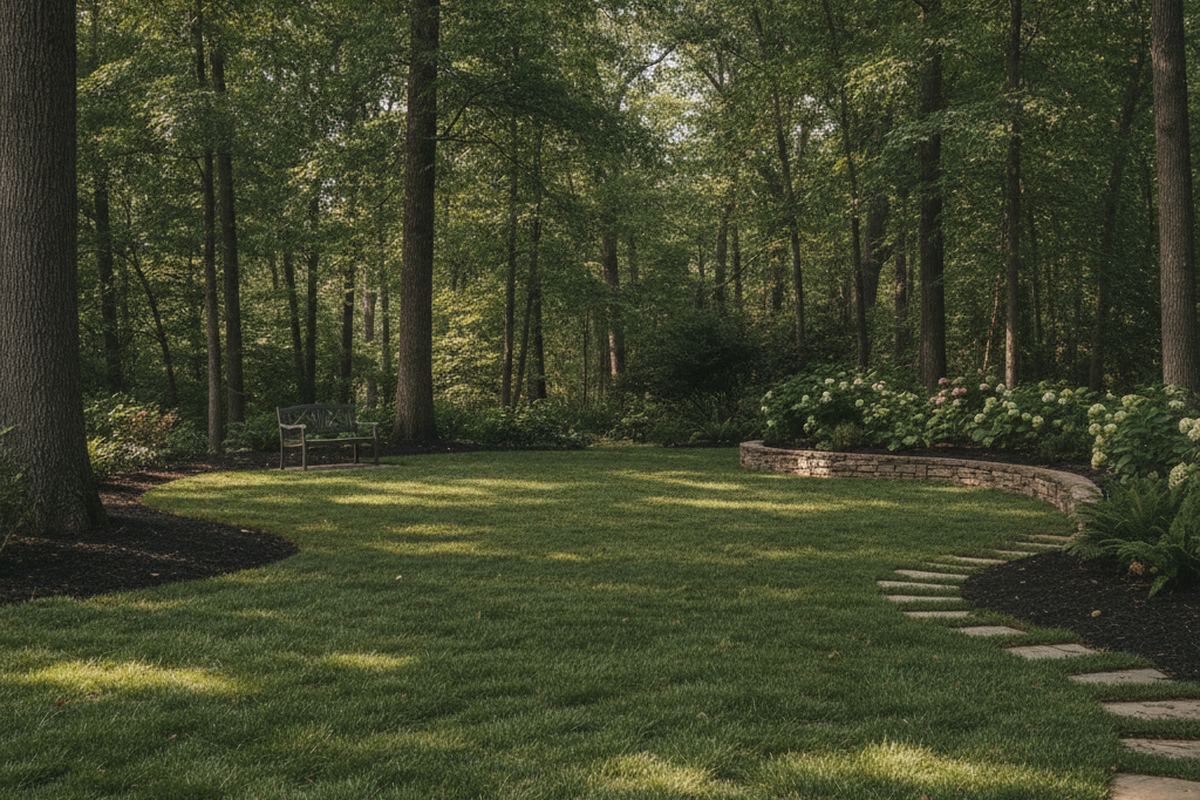
Homeowners often dream of a lush, uniform lawn, but shaded areas can present a significant challenge. Standard turfgrass varieties, optimized for full sun, struggle and often fail in consistent low-light conditions. This leads to patchy, thin grass that detracts from a property's curb appeal. Fortunately, specific sod blends are engineered to thrive where sunlight is scarce, offering a viable solution for maintaining a healthy lawn in shaded environments.
Understanding Shade Tolerance in Grasses
The primary factor limiting grass growth in shade is reduced photosynthesis. Grasses need sunlight to convert carbon dioxide and water into energy. In shaded conditions, this process is hampered, leading to weakened plants, slower growth, and increased susceptibility to disease and pests. Most common lawn grasses, like Kentucky bluegrass and perennial ryegrass, require at least six to eight hours of direct sunlight daily to perform optimally.
Shade tolerance varies significantly among grass species. Some varieties have adapted to lower light levels by developing broader leaves to capture more light, or by having a lower light compensation point, meaning they can produce more energy with less light. When selecting sod for shaded areas, identifying these naturally shade-tolerant species is crucial for establishing and maintaining a successful lawn.
Fine Fescues: The Shade Champion
Fine fescues are a group of cool-season grasses renowned for their exceptional shade tolerance. This category includes creeping red fescue, chewings fescue, hard fescue, and sheep fescue. These grasses are characterized by their fine leaf blades, which contribute to a soft, delicate texture. They also have lower nutrient and water requirements compared to many other turfgrasses, making them a more sustainable choice in certain environments.
Their ability to thrive in shaded conditions stems from their efficient use of limited sunlight. Fine fescues can maintain density and color with as little as four hours of direct sun, and some can even tolerate consistently filtered light. While they may not be as trafficked-tolerant as some other grasses, their shade performance is unmatched, making them the cornerstone of any successful shade-tolerant sod blend.
Blend 1: Creeping Red Fescue Dominant Mix
A sod blend with a high percentage of creeping red fescue (often 50-70%) is a strong contender for areas receiving moderate to heavy shade. Creeping red fescue is particularly valued for its ability to spread via rhizomes, allowing it to self-repair and fill in thin spots over time. This makes it a good choice for areas where some wear and tear might occur, although it still prefers lower traffic.
Typically, this blend will combine creeping red fescue with other fine fescues, such as chewings fescue or hard fescue, to enhance overall density and disease resistance. For instance, a blend might be 60% creeping red fescue, 20% chewings fescue, and 20% hard fescue. This combination provides a robust, low-maintenance lawn that maintains a vibrant green color even in dappled light or consistent shade.
Estimate sod pallets, rolls, and total install cost for your yard — with delivery and prep budget.
Open the Sod CalculatorBlend 2: Hard Fescue and Chewings Fescue Mix
For the densest shade conditions, or areas where minimal maintenance is desired, a blend heavily featuring hard fescue and chewings fescue (often 70-90% combined) is highly effective. Hard fescue is known for its excellent drought tolerance and very low fertility requirements, making it a sustainable option. Chewings fescue contributes to a dense, upright turf with good shade performance and disease resistance.
An example blend could be 40% hard fescue, 40% chewings fescue, and 20% creeping red fescue. This particular mix offers a strong defense against deep shade while also providing some of the self-repairing qualities of creeping red fescue. These blends generally produce a finer-textured lawn that is visually appealing and requires less frequent mowing.
Blend 3: Fine Fescue with Shade-Tolerant Ryegrass (Limited Use)
In situations where shade is present but not extreme, and some level of durability is still desired, a blend incorporating a small percentage of a shade-tolerant perennial ryegrass with fine fescues can be considered. The perennial ryegrass provides quicker establishment and wear tolerance, but its shade performance is still inferior to fine fescues, making it suitable for areas with at least five hours of direct sun.
A typical ratio might be 70% fine fescues (e.g., a mix of creeping red and hard fescue) and 30% shade-tolerant perennial ryegrass. It is crucial to select perennial ryegrass varieties specifically bred for improved shade tolerance, as standard cultivars will quickly thin out. This blend offers a compromise, providing a slightly more robust turf for transitional shade areas.
Preparing Your Site for Shade Sod
Even with the most shade-tolerant sod, proper site preparation is paramount for success. Begin by clearing the area of any existing weeds, debris, or old turf. Improving soil drainage and fertility is also critical. Incorporate 2-4 inches of organic matter, such as compost, into the top 6-8 inches of soil to enhance nutrient retention and aeration, which are especially important in shaded environments.
Before laying sod, ensure the soil pH is within the optimal range for fine fescues, typically between 5.5 and 6.5. A soil test can provide precise recommendations for amendments. Additionally, consider how much light the area actually receives throughout the day. Trimming tree branches or shrubs can sometimes increase light penetration, further benefiting your new shade-tolerant lawn.
The bottom line
Choosing the right sod blend for shaded areas ensures a healthy, aesthetically pleasing lawn where traditional grasses would fail. By understanding the specific needs of fine fescues and preparing your site thoroughly, you can establish a vibrant green space even under challenging light conditions. Focusing on these proven blends will help you achieve a resilient and attractive lawn.
Get more guidance like this in your inbox
Weekly emergency-fund tactics, milestone checklists, and the next article — delivered free.
Run your own number
Get a personalized emergency fund target based on your income, expenses, and job stability.
Open the calculator